Episode 61 · March 19, 2023
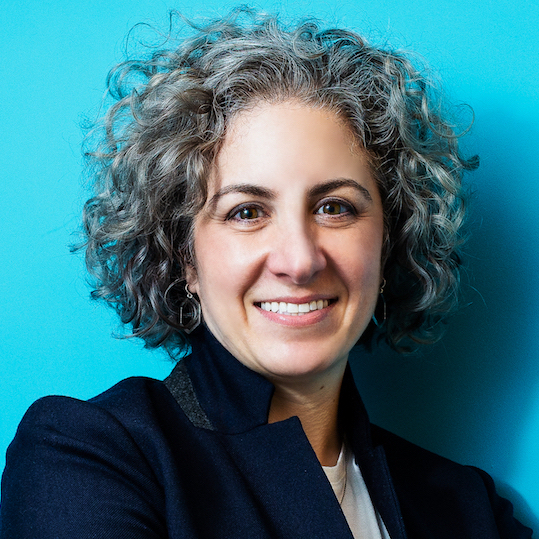
Time for what matters, with Rosie Stafford Smith
With Rosie Stafford Smith
Listen and subscribe
In this episode
Rosie Stafford Smith calls herself the accidental entrepreneur. She started a business three weeks before the pandemic, hit a revenue cliff about eighteen months in, and then doubled the back half of her year over the front half. What I most want you to hear is what her week looks like now, and that she didn't pay for it with her evenings. She's also honest about the stretch where she quietly discounted her own work as she got close to a number that scared her, and about where that number came from.
What you'll take away
- She was doing a ton of networking with no ask. Show up, ask them questions, leave. She remembers walking out of one lunch feeling gross and thinking that if that's what sales is, she never wants to do it again.
- Their financial advisor called her business a sweet little side business and said he'd like his wife to get a little job like that. She'd out-earned her husband their entire marriage. Most of this conditioning stays implicit, and then sometimes it doesn't.
- She doubled the back half of the year over the front half, and the front half was almost six figures. What she keeps coming back to is that she didn't reach the end of it spent. There's a process now, so she knows she can do it again.
- She started undercutting her own prices as she got close to a number that scared her. She even ghosted a potential client, which she says she'd never done in her life. The number turned out to be her mother's peak salary, mentioned in passing twenty years earlier.
- You're offering, not asking. It's on a sticky note on her desk. Early on she was walking around with her worth in her hands, asking people whether they'd accept it.
In this conversation
The full transcript, in sections. Open any one to read it.
A 2:30 in the morning story, and then Rosie
0:02
This idea that entrepreneurship is about the grind and the hustle, like, is there hard work? Absolutely, but who are you building that for? You know, I want a life and and it's possible.
Welcome to the smart gets paid. Podcast with me. Leah Neaderthal, I help women land higher paying clients in their independent consulting businesses, but I've never been a salesperson. My background is in corporate marketing, and when I started my first consulting business, I learned pretty quickly that it's about 1000 times harder to sell your own stuff than it is to sell someone else's. So I taught myself how to do it, and I created the sales approach that I now share with my clients so they can feel more comfortable in the sales process. Get more of the right clients and get paid way more for every client contract. So whether your client contracts are $5,000 $100,000 or more, if you want to work with more of the clients you love, do more of the work you love, and get paid more than you ever thought you could, then you're in the right place. Let's do it together. Thanks for tuning in, and don't forget to rate, review and share. Hey there, Leah here, and thanks for tuning in. I hope that wherever you're listening to this, wherever you are, you're having a great week. You're making some good progress on your business and taking some time for yourself. So you guys, I'm tired. I was up last night from about 230 to about 330 or so, and if you've been listening for a while, you've heard me talk about how we've been sleep training our daughter, who's an infant, and we also have a son who's three, and so a lot of this focus around sleep has been around our daughter naturally, as we're trying to teach her to like sleep through the night. But I just have to tell you what happened last night, because this is why I was up at 230 Okay, so like at 230 my son starts screaming, and he comes into our room, and he comes to my side of the bed, and he's crying, and he goes, I can't find my pants. And I'm like, what? I can't find my pants. And I look down, and, you know, lo and behold, he's standing there without pants on. And so I get up and we go into his room, and I'm looking for the pants, and of course, we find them on, like the foot of the bed, like they're right there, you know, right on top of the covers. But anyway, so I pick up the pants, and I'm like, All right, buddy, let's put these back on. And he goes, I don't want to wear them. I just took them off because I was too hot. I just couldn't find them. I want to wear underwear instead. Now keep in mind, he's fully capable of going and getting underwear from his drawers and putting it on. But now it's 230 in the morning, and I'm going to get underwear, and I'm helping him put them on because he doesn't want to wear his pants. He just couldn't find his pants. And of course, after this episode, I go back to bed, and now I'm wide awake, because when you wake up to screaming, it's like adrenaline flowing through your veins right at like 230 in the morning. And so my son gets back to sleep, no problem, but I couldn't get back to bed for about an hour, hour and a half or so, and I tried all my tricks, like all my techniques that I have for falling back to sleep, and of course, finally I did. But you guys, this is the stuff that no one tells you. You know, you work so hard to help your child have healthy sleep habits and get a full night of sleep, and then a few years later, they will wake up screaming because they can't find their pants, the pants that they don't even want to wear. But I mean, that's kind of what we're talking about in this episode, the things that matter outside of our business. In this case, my son couldn't find his pants. But it's about the people in our lives, your kids, your family, your chosen family, the activities, the causes outside of work, and making sure that we have time for them, and we can show up for them, and we don't have to sacrifice time for them to run our businesses. Because even though I was awake in the middle of the night with my son, it didn't really kill my day. I mean, sure, I was tired, but I was also able to cut out early when my brain sort of hit a wall, and that's just some of what we mean by making time for the things that matter. And that's why I'm so excited to share this conversation with you. I'm talking to my client, Rosie Stafford Smith, who's a strategic advisor to nonprofit executive directors and boards family foundations and Corporate Social Responsibility organizations. And we were talking about her business a while back and how things were going, and I was struck by two things, first, that she's making great money, right? Like her business is doing really well. But even more than that, and more important, she has a sense of ease about it, and now she's really able to spend time doing the things she wants. You know, like she was telling me, she's like, I get to do this work and work with the clients I want, but I also work out every day, and I take my kids places and on and on and so. I invited her to come on and share with you how she got here, making great money in her business and having time for the things that matter outside her business, like her family and herself. So if you've ever felt like you want to make more money in your business so that you can do the things and live the life and have the experiences you want, but if you feel like or maybe you're worried that you're going to have to be super busy, you're not going to have any time, you're going to have to hustle all the time to get there. Then I can't wait for you to hear this episode, because what you're going to hear in this conversation is you don't have to sacrifice so take a listen to my conversation with Rosie Stafford Smith, and at the end, I'll come back and share a lesson you can apply to your business, and then hopefully someday soon, you'll partner with us to help you build your consulting business, and you'll come back on the podcast and share your story. Enjoy. So you might have noticed that with the economy being as it is, things feel a little shaky. Referrals are slowing down, budgets are getting cut, and clients who you thought would say yes are saying no or not right now. And here's the thing, in this economy, you can't run your business by waiting for referrals. Clients just aren't going to swim into your net. You have to be intentional. That's why the best way to protect your business today and for the future is to have the two systems that every consulting business needs, a marketing system to bring the right clients to you and fill your pipeline and a sales system to help clients say yes and get you paid more. But it's not just about getting clients. It's about security and stability and making your business sustainable no matter what's happening out there, smart women are doing this right now, even in this economy, they're winning their biggest contracts, filling their pipelines, and their businesses are growing, which lets them do things like build up six months of family savings a lot sooner than they had planned, or go from having one to two months of revenue booked to having eight to 10 months of revenue booked, or getting to the place where you're able to pick and choose your clients and say no to the ones that aren't perfect. These are real results from women in the academy, because this is what we do inside the Academy. We help you build the marketing and sales systems that make your business and your revenue more stable, more secure and more sustainable. So if you've been in business for at least two years, if you made at least 120k last year, and if you want your business to feel secure no matter what's happening in the economy, join us. Apply today. It's marketspay.com/academy, we get started on Monday, February 9, because you can't control the economy, but you can control what you do about it. Rosie, I'm so happy to have you here. Thanks so much for being here. Oh, I'm so glad to be here. Leah, well, let's just dive in. Why don't you tell the good people what you do?
The accidental entrepreneur
7:47
Okay, so I'm a strategic advisor to nonprofit executive directors and boards family foundations and Corporate Social Responsibility professionals. So I work most often with people that have really big ideas for what they want to see happen in community, and try to help them turn those ideas into actually feasible, funded strategies.
Yeah. Oh, awesome. And tell me, how'd you How did you get into that?
Yeah, so I definitely call myself the accidental entrepreneur, because this was not the path I anticipated for myself. So I am a social worker by training, and worked in the nonprofit world for 13 years. And my family, we have, I have two young children, and we moved states when I was when I had one child, and we were just needing more support. And so I kept my job from the other state, and was traveling back and forth for a couple of years, and got tired of doing that, and so started looking around for opportunities and our new community, and really wasn't getting traction. And I was offered a couple of contract opportunities. And so a mentor of mine said, Why don't you try that and see what see? Do you like it? So I did, and that was three weeks before covid. And so I started a business, I know I started a business, and then I was like, Well, I guess I've quit my job and started a business and a global pandemic. And so I had to make it work from there. So that's how I landed here. Was less around I want to build a business and more around I want to do meaningful work, and I'm not finding the right opportunities, so I'm going to take these contract jobs and see what happens. Yeah, well, and certainly, you know, especially coming from the job that you had where you still had to travel back and forth. Oh, absolutely, I was like, I need a job that works around my life, not making my life work around a job.
Yeah, yes, that's, that's a word right there, as the kids say. So, all right, so you you fell into this business. What was it like at the beginning?
The revenue cliff at eighteen months
9:45
So I started my business the last week of February of 2020 but in reality, I kind of started the business in March of 2021, because I had that one anchor client with me through 2020 and I'm and. Then made the decision to leave that client in 2021 and so that's what it was like as I was working with this one client, but I was essentially functioning like an employee on their team, and I made the decision to leave. So in March of 2021 I left and started to try to find other opportunities. And I would pick up a few clients here and there, but in mid 2021 I was looking at a revenue cliff, and that's how I found you, is I had sort of dried up the initial surge of people in my network that were like, Sure, we'll give her a try. We'll work with her. And I had absolutely no idea how to build a business pipeline. I was like, What do I do? And so a mentor mine pointed me to you.
Yeah, well, it's crazy, because you were, like, right on time for how this tends to go right. It's that first, like, year, 18 months, two years, you know, sort of it right in there and and all that momentum tends to sort of slow down, or, as you said, dry up. And that's when people, we call that the messy middle. You sort of entering in the messy middle. And that's when a lot of women who are like, Oh shoot. Like, what do I do now? Like, I thought, I thought that was going to continue.
Yeah, I was like, I had a lot of goodwill built up. You know, this is not how it works. And, no, not so much.
Yeah, I know, well, when you got sent my way, what did you think this was it was going to be like? What did you think the process of getting clients was going to look like?
You know, I wasn't sure what it was going to be, but I knew in reading your LinkedIn profile and podcasts and listening, I was like, I think I'm finally in the right place of finding a coach or somebody that is trying to solve a problem I have, versus trying to make me have a business that I don't want to have, like I don't want a large scale business where I'm sending out mass emails all the time and those kind of things. I want to do meaningful work and figure out a way to connect with the clients I want. So that was my hope. And in reading your stuff, I thought, Okay, I think she might be my person?
Yeah, yeah. I want to go back to this idea of the business that works around your life instead of the life that works around your business. I mean, if you had to at that time say, Well, what do I really want my life to look like? What? What would you say? How would it look? Or how did you want it to look yeah.
Margin, and what she means by it
12:22
So in that time, my oldest was going to be starting into grade school, and in my mind, I was like, the life I want is where, if I want to go, like, have lunch, or read a story to his class, or be able to go work out, you know, for a midday class to burn off some energy, or meet my mom for lunch now that I live in the same town as her, that I could do those things and have margin like that was the word that just comes. There was margin in my life to show up for the people I wanted to to do, the things I wanted to do, and that was the dream.
Yeah, say more about this idea of margin, because I don't know that I've ever heard it described that way. What does that mean to you?
Yeah, so for me, I had come from a very much I woke up in the morning I would, you know, get out, get out of the house, and get to my job, and then my day was packed like I by the I had no margin in that day to even respond to text messages from friends or to kind of actually tune into, how do I feel today? Like, where do I find energy and what do I want to do? It's like my day was decided for me of what had to happen. And once it got started, it was like, I could not get off the conveyor belt.
This is when you were and this is when you were in the previous, like, job, job.
Yeah, in a previous job, job. And so I was like, I don't want that. You know? I don't, gosh, there's got to be more than this, right? And so, so for me, margin was the ability to have some wiggle room in my day and in my mind, to actually tune into, what do I want, and what would feel good to me, and who are the people I want to be in conversation with, versus having no room because it's all so tightly scheduled.
Impact? Yeah, I like that concept. I mean, we, you know, people call it, I need space, or I want time to myself, or I just don't want to begin in the hustle or whatever. But I think margin, there's something about it that has, still has some structure, yeah, but it's, it just creates a little bit of room, I mean, really
exactly, or room to play, to imagine, to rest, to do the things you want in your life, while still having these big boulders of what's important, of family time and career fulfillment, and, you know, connection to my community, and those pieces like those, are there, but then Something great comes up, and I have some margin where I'm like, Yeah, I do have a little bit of time to take that on. Or that sounds fun. Let's do it. There was none of that before,
yeah, yeah. Well. And so just getting back to, you know, how you thought this process was going to go, like, when you when you hit that moment of like, oh, boy, I. I need to do something. I'm doing all this networking. How did you think? How did the selling process, or the process of getting clients? Like, how did that feel in that in that time, if you can remember back,
oh, I can definitely remember back. It was awkward. It felt really awkward. And what's the word, like, directionless. I had been doing a ton of networking in my community, and was going around, but it was the most misdirected, you know, I kind of freeform networking. I was just meeting people, but I had no ask. I didn't know what I was doing. You know, I knew that I was supposed to do. I was going through the motion of, like, show up to the thing, ask them questions. But how do I actually then convert them to a customer and do that in a way that feels authentic and feels mutually beneficial, like none of that was happening? And so, I mean, I remember specifically one kind of customer call, if you even want to call it, that a lunch that I had to somebody that somebody had said they might want to work with you. And I remember leaving feeling so gross. I was just like, this. Just felt bad, and he didn't like what I was talking about. I didn't really particularly want to work with him. And I was like, I think that's what I thought sales was. And I was like, I never want to do that again.
Yeah. Yeah, that, even just hearing about it, makes me never want to do that, or have you or anybody else ever want to do that again. And I'm curious also, because how much of this is, you know what you and I have talked about before? Because we have, we come from a shared background, right? Like we're both from the south, and you know all the ways that we are conditioned to be and think and act and all of that. And so how much do you think that played into like how you thought either getting clients had to be, or how you had to be in a business?
Conditioning, and too big for your britches
16:53
I mean, that's a thread I've been unraveling for the last three years, since starting this business, is kind of my conditioning and how that's showing up and playing out.
How do you define how, how you know we're conditioned?
So I think there's I can. It's funny, because I was thinking about this, my family of origin, I come from a family of like, ambitious, professionally accomplished women, but they're not outward about it and selling themselves in a way of they were in helping professions. And so while they're very accomplished, people come to them to seek their expertise. And so there was something that felt really strange and wrong about me being a woman with a loud voice saying, Hi, I'm here and I can help you with something, I can provide value, and you should pay me money. And that felt like stepping outside of my conditioning and role of what a woman is supposed to do, which is kind of be obedient or support someone else's agenda, like the fact that I would have my own vision and agenda for my life and career and business, versus trying to help someone else implement theirs. Felt like I'm stepping out of my role. You know, getting a little too big for my britches, as they would say, exactly.
There you go. Too big for your britches, and for anybody who's anybody who's listening to this, who comes from the south, you probably are recognizing a lot of this, but if you aren't from the south, none of this is explicit, you know, like, don't, don't toot your own horn, don't rock the boat, don't put yourself out there too much. Like, none of that is explicit. It's just sort of like, in the water, you know, absolutely and in in you just pick it up. I mean, I guess that's what conditioning is, right? Like, you pick it up from the people around you who also picked it up from the people around them, right? So, but it's so powerful. This, this, these beliefs of, like, what is okay to do and what's not okay to do. You know, I grew up in a family where, like, group harmony was the most important thing. And so, you know, harmony in the family, harmony in the house, and in one way that's played out is, like, harmony in any group situation, right? Like, I'm very attuned to, like, how everybody's feeling in the group or whatever, because you don't want to do anything that's going to disrupt or tip the balance in any one way, right?
The sweet little side business
19:12
100% and I mean, there were even some so there's so much that's implicit, and then there were even some explicit things that happened to me as my business started to grow, like the financial advisor that we had been working with, I had, I had always out earned my husband in our in our marriage, always, that always been true when we entered into relationship with this financial advisor. And then as my business grew, he made some comment about my sweet, you know, little side business, and how he wanted his wife to get a little job like that. And just I was like, this is this has always been the case that I'm out earning my husband, and now you're calling my business like a side hobby, and it was so demeaning, you know, and and yet, like, I'm sure I'm not the first person. He said that too. So the so you're both getting implicit and explicit in some minefield to be like, What am I doing here? What am I doing wrong?
Yeah, well, and that's Oh, okay. Well, also that guy is
dead to me, but you're right.
You're right. I mean, we do. You're totally right. We do get not just the implicit, but the explicit. And this minefield of the rules are there, and you're a lot of them are very situation specific, and you don't know if you're about to step on one or cross a line. And so I think it just makes every situation, it can make every situation feel a little bit like, no wonder people hold back, right? Because the only way to not cross any line, even though the lines are invisible, is to just hold back
absolutely well. And I think another way that it showed up for me that, again, is subtle, but I continued to have people come and be like, Well, if you ever decide to go back and work, you know, then you can have, we've got some job opportunities for you. And they were job opportunities that were beneath my qualifications. And there was always this, I don't think you would say that to a man who had started a business like if you ever said to abandon your business, it was like no. But I was continuously being trying to talk out, being talked out of the business. I was growing.
Well, could I just point out what you just said? It's they didn't say, when you ever decide to abandon your business when you ever decide to work, yes, as in, what you're doing must not be work, you know, actual work. We're not real work. Did you get? Did you ever get the like, stay at home? Mom, stuff and, oh yeah, love, love, you know, all respect to stay at home. Mom, staying being a stay at home mom, is very much a job, and like one of the hardest ones in the world. However, running a business is it's really different.
It's so different. And in this implication that I was only doing this while I had young kids, you know, and this was all about, I mean, just so many messages of telling me, essentially, your primary roles as a mother, and that's your lane to stay in, and this business is a hobby that's meeting a need for you right now. Oh, yeah.
I mean, listen, you're not like, making soap right or selling, like selling cosmetics to your friends and neighbors. I mean, if they wanted to know what you were actually doing, they would see or they would understand, like you're actually doing really high level stuff and getting paid, like, really well for it?
Yeah, I sometimes felt like I was screaming into the void, and I was like, do I just need to show them my like, balance sheet and be like, Do you realize this is real? You know? But of course, I didn't. But there was this moment of something is not connecting with what I'm doing and their reality of what they think I'm doing.
Yeah, it's so frustrating. But let's talk about what was really going on. Talk to me about where your business is now.
Doubling the back half of the year
22:50
My business is in a great place. So we started working together in 2021 in middle of 2021 and I started, kind of planting seeds and following the methodology that you suggest. And then in the beginning of 2022 I landed a couple of really big projects, big in the sense of the size of the projects, but also the exposure that they were going to provide to me. And I knew that if I can do a really good job and deliver on these projects, there's going to be great opportunities on the other side of it. And so the coolest thing happened, which is that in middle of 2022 basically the second half of 2022 I doubled the revenue of my business from the first half of 2022 so I made twice as much in the second half of 2022 as I did in the first half. I know amazing with in Yeah. And so now I'm going, I'm looking now into 2023, and I'm just so excited to see what happens, because I'm like, if that's what happened in the last six months of that year, and I'm just going to keep growing and building. What else is possible?
Yeah? So for the listeners, like, you know, just so we can wrap our heads around, like, what is what are we talking about here?
Yeah, so in the first six months of last year, I was almost at six figures, and then the second half of 2022, I doubled that
you you doubled that so that you made, like, twice six figures. You didn't just double that first number. You made that number and a whole other that number in the second half. That's right, Rosie, that's amazing. Thanks.
And that, I mean, it is, it really is amazing. And I think the part that is so gratifying is that I know I can do it again. I didn't reach the end of last year feeling totally spent and burned out. There's a system in place, there's a process, and I'm implementing it, and I'm excited to see what happens in this next year, versus feeling like, Oh, God, I have to do that over again.
Yeah, because that is how a lot of women feel, especially, you know, they get to the end of the year, they look back and they're like, do I want an. Their year, like that year, and the money might be great, but you know, how did it affect them and their time and their their margin, as you said, so, so how's, how's the margin now, it's great,
you know? I mean, I life still happens, you know. So I don't want to sound like everything's fixed now that my business is going well, but I mean, I don't take client meetings on Mondays and Fridays. I never work weekends. I very rarely work in the evenings. I mean, like, fewer than 10 times a year in the evenings. I work out five, six days a week. I cook a lot of food at home that I enjoy. You know, I'm I am living the life I want, and I'm reading novels and doing those things and connecting with my community. I've built a great community, particularly of women in my local I built a great community here. And again, I just, I look around, and I think we need to see more examples of women who use self discipline but not sacrifice, like there's a difference and there's a difference between, yeah, did it require some discipline to, you know, kind of hold to what I wanted to do and reach my goals, absolutely. But did I sacrifice who I am and what I want to be and the goals that I have to make that happen? No, and I don't think you have to this idea that entrepreneurship is about the grind and the hustle. Like, is there hard work? Absolutely. But who are you building that for? You know, I want a life and, and it's possible,
yeah, who are you building it for? If you're not able to spend the time, or, you know, if there's not room for your other people, but also you yourself. Yeah, right, exactly this idea of, I love what you said about discipline versus sacrifice, because, you know, I've always worked hard in my career. I know you have to everyone I work with. And you know the women who you know are in this community, like nobody's afraid of hard work, right? And but I think what allows discipline is knowing that it's the right work
exactly, exactly. And so, you know, I talked about, this is what my life looks like. But that was something that I knew in my mid 30s was important to me, is that not working on the weekends, and I want to be there for my kids. So I think for other people, what is important to you, and then how do you build your life and your rhythms of how you pursue the work around what you want, as opposed to following a script of what somebody else is saying? You know, other people don't need to work in the cycles and ways that I do, but this is what works for me, and so I'm going to lean into that so I can have the life that I want.
Yes, oh, I love that. I love it. So you're, you know, your business is growing. You're making these big gains. And then you shared with me, actually something that you had started doing. Can you just for the listeners, tell them what started happening?
Undercutting her own prices on purpose
28:00
It was really messed up. So what I started doing was I felt myself approaching a new financial level for my business, and it scared me. And so what I started to do was, as I got closer, yeah, well,
so it, let's just pause for a sec, yeah. Did you know It scared you, or you just had you just felt weird, and looking back, you're realizing so this sort of scared me.
Yeah, good question. I think I knew that there was a number in my mind that I thought I would never reach, as it for income. And as that number got closer for the revenue for my business, I started to feel squirmy. I couldn't even really articulate what it was, but I felt off about it, and nervous, guilty, bad, anxious, and so I started actively undercutting my own pricing, like discounting services that I was offering. I even ghosted a client, a prospective client. I've never done that. I am like a follow through person, and I was like, I can't I can't do that. I can't take on that business. And because I was scared of kind of breaking through this financial threshold. And so I had to do a lot of work at that point. And I did a lot of work on money mindset and trying to understand how we have these kind of upper limits that we place on ourselves. And it was a really big turning point for me. And now I look back and I see that for what it was, and it was sort of a strange chapter, and I'm so glad I worked through it and didn't limit myself, because I almost have doubled from that point. I will double from that point in my business this year, and I'm doing even more meaningful work than I was at the beginning of my business. And so it's not just about the financial outcomes, it's about the fact that I'm pursuing work that scares me in a good way right now, and I wouldn't have done that if I had helped continue to hold myself back. Our mind will do really interesting things. Things to keep us safe and to keep us in a state of steadiness. And I think that's just something we all need to pay attention to and not let it hold us back.
Yeah, absolutely. And I think what a gift to have the, you know, wherewithal to be like this needs to be a I need to address this, because it's keeping me. It's a, it doesn't feel good, and B, it's, it's not where I want to stay. I want to be, you know, ask this. I want to, I want to be the type of person who could get past this. And do you mind if I ask? I remember we talked about this a little bit like, where that number that you had in mind? Where'd that come from? That specific number?
A number her mother mentioned twenty years ago
30:39
It was a number. I remember my mom telling me was the salary that she made at kind of the peak of her career. And it, it was a passing comment 20 years ago, and it lodged itself in my brain. And because I wasn't involved in, I wasn't in an environment where money was talked about openly, and people discuss salaries and things like that. It's the only firm number I had. And so it launched itself, you know, pretty deeply, and I had nothing to compare it to, to be able to say, Is that reasonable, you know? And yeah,
gosh, it's so wild how those sorts of like little influences stick with us, you know, and how they provide an upper limit that isn't even our own. Oh, right. So, I mean, it is our upper limit, but it's not dictated by anything that's, you know, important to us our life now, where we want to be, how we want to be for ourselves and our families. You know, it's just inherited. It's inherited. And you're you're right that, like, if you don't look at it, you will be subject to it, you know, for absolutely forever.
And I think for me, what, as I interrogated it, I realized if I exceeded that financial number in my mind, it was really an indication that I was stepping outside of some family norms I had, there you go. And so that's it. That felt lonely. You know, I was like, I don't want to be on my own. And then the further I got, I just realized I was I was scared, but I started acting. I think I would, I would say to folks too, is, if you find yourself starting to act sort of irrationally and against your own best interests, pay attention.
Something's up, yeah, yeah. And be curious, not scared of what you're of what you'll find,
yeah, and give yourself time. Be be kind and patient with yourself. You can't berate yourself out of it.
No, you can't. You can be inquisitive. You can learn new tools you can, you know, I think of it as almost like cleaning out a wound, which is kind of gross, but like, you sort of clean out a wound a little bit, and you can re rewrite some of the beliefs that are at play. But you can't do that if you're unwilling to look at it, you know. And if you're allow your if you allow yourself to just
be subject to it,
yeah, subject to it, yeah. But you know, behold into it, yeah. What do you think changed things the most for you, like, what are, you know, two or three things that you you learned or were able to do that really changed things.
The best antidote to people pleasing
33:15
So I think one of the biggest mindset shifts for me that you help to provide is that the best antidote to people pleasing and discounting your services is having a full pipeline. So this idea that when you have more people that are willing to work with you, and that you know there's other work and other opportunities on the other side, you feel less scarcity, and you're not operating like your back's up against the wall. And so having that as a framework of that's where I always want to be, is where there's opportunities, so that I'm never in a position where I feel like I have to say yes to something because it's going to be so hard, or it's going to violate my values, or I just don't want to do it, the project's not that interesting. And so for me, that is something I think about all the time, and trying to structure the business that way.
I mean, you're so right, because, and I'm pretty sure we joked about it in our when we were working together, but, you know, yes, mindset work is great, all of that stuff, and we, of course, we touch on that in the methodology, right? You can't go forward without it. But you know what's great for mindset, having a full pipeline, that's right,
yeah, and then the I still have a sticky note of it written the you're offering, not asking. So every time you're working with a client or potential client, you're making an offer, and they can say no, they can say yes, but my worth is not up for grabs. Every time I send a proposal to someone,
I just did you for you. Missed you guys. Missed it because this is audio, but I just did the like, hands up, preach emoji, yes,
absolutely, yeah. And I mean, I had been in the early stages of my business I met it was like, if you had to get a. Mental image, I was walking around with my worth in my hands, like, please take, take what I have to offer. Will you accept this and just shifting out of that mindset to really be grounded and here's who I am, here's what I have to offer, and the right people are going to find me and around I'm going to find them. Yes.
Oh, so important. I'm so glad you have that sticky it's probably super faded at this point, but I'm a big fan of if it makes if it means something to you, and you want to remember it, put it on a sticky note. I have so many sticky notes. Is there anything else that you feel like has made the biggest impact for you and the business? Yeah.
Proposals, instincts, and a quarterly check-in with herself
35:36
So I used to dread writing proposals. They took me a long time, and I didn't know if I was getting them right, and it was always it was just a stressful part of the cycle. And now I'm consistently getting feedback from clients that they're some of the best proposals they've ever seen, and they're taking me less time. And part of that for me is that seeing proposals as this act of service to my clients, where I'm able to really hear them and understand their needs, and they're saying to me, you get it, you get what I'm trying to do. And that, to me, has unlocked a new level of connection with my clients, where we're starting the relationship from the beginning, from a place of trust that she really listened to me and she wrote something that was unique to me and heard me, and she's going to help me solve that problem. And so we're already starting with so much goodwill from something I used to dread now has become this great way to start relationships with clients.
Oh, that's so amazing, because, yeah, I mean, you know, we spend a lot of time on proposals, and I think a lot of people see the proposal as a selling tool, which, of course, makes it really there's a lot of pressure you have to get it right, and, you know, you could dread it and all of those things, as opposed to an agreement of what you've already talked about. And additionally, what in these, you know, when you do a discovery call, well, the proposal, the proposal sort of writes itself so that all you're doing is listening right. You're asking the right questions. You're listening, you are really hearing and putting it into a format that where people can feel as you said, they feel seen, they feel listened to, they feel heard, you know, and, and it does build trust. And I think your note around, or I think what you said around, building could goodwill, and starting the relationship on the right foot is so important. You know, the relationship that that you have throughout the engagement doesn't start, you know, on the in your kickoff and in, you know, as the work continues, it starts in the sales process, and I think people don't realize how much they can actually influence that in a positive way. If you're getting pushback, or if you know clients have boundary issues or whatever, when people ask me, what do you do about it, I go way back and say, well, let's, let's look at the sales process, because that's when those are forged Absolutely. So we've talked about where your business is and some of the changes that have happened there. But you know, this is such a personal journey also. I mean, I'd love to know what changes have you seen in yourself through this process?
I think I've, I know I've learned to trust myself in this process. And what I mean by that is I have started to see that if I had a bad feeling about something from the beginning, I am now seeing I should listen to myself and like my instincts are good, and so the ability to trust that my instincts are good and I can make good decisions for me and my business. And now having three years of a track record, there's a level of self trust that I haven't had before, where looking ahead, I'm not scared I'm going to get knocked off my own path, because I trust myself that I can get back on to it, whatever and whatever that needs to look like. And for me, there's no greater gift, because you can't take that away.
Oh, I love that. I love it well, and especially going back to what we were saying around some of the conditioning that we were raised with. And I think, you know, this is more universal than just growing up in the South, but women are not taught to trust ourselves and our intuition. Absolutely.
The other thing I'll say just here's a tactic that I do, and I highly encourage it is every quarter, I have a check in with myself, so that the first Friday of every quarter, I set aside a couple of hours and it's time for me to journal and look back. And I have some standard questions I ask myself about, what did I like, what did I not like? Who would I work with again? Who would I not work with again? And when I look back at my quarterly reviews for myself, it's so great to then see the ways that my instincts are telling me move away from this project or move towards this project or this person, and so just to have that written record of what I knew to be true early on, before I had a lot of information.
Um, what a good practice too. You know, it's, this is not something that has to wait till the end of the year. I think doing it quarterly is so good. You can you can adjust, you can look back. You can also celebrate. You know, I think one thing that we are not great at is celebrating our wins and and remembering the good things that happened. So, you know, having a nice check in to do that is that's like, rocket fuel for, oh, you know, great, yeah, yeah.
And to be able to see, oh my gosh, this thing that was keeping me up at night the first quarter. It's like, I'm not even thinking about it. In the second quarter, like, wow, three months ago, that was everything.
Oh, god, that's so good. So what would you say to somebody who a woman who's in the position that you were back then, when you were sort of staring at that cliff, what advice would you give her
surround yourself with people that believe in you, even if that's one or two people, but people that will be a champion for what you're trying to do, and invest in the support that You need when I made an investment, I know this is not supposed to be a commercial for Leah, but when I made the investment in Leah's program, I was really nervous about that kind of financial commitment at that point in my business, and I also knew if I don't invest in myself, nobody else will. And so I would just encourage people that even if you have to be scrappy and creative financially, get the resources you need to help you get to the level that you want to be at.
Yeah, I love that way of thinking about you yourself as the first investment, right? So is there anything else that we didn't talk about that you want to talk about?
I think I'm really grateful, and I just want more people, particularly women, to believe that what I'm sharing is not, I'm not the exception. This can become normal for a lot of people, and so if you if you believe, not even if you believe, I just want you to know it's possible for you too. And that's not a pipe dream. It really is. And we need to see more examples of women succeeding and with whole full lives, and I believe it's possible.
What a great message and a great way to end. Rosie. Where can people find you?
Find me on LinkedIn, at Rosie, Stafford Smith, or my business is Stafford Smith group.com,
awesome. Thank you so much for being here. It's been such a pleasure.
Thank you. Leah,
My take: three types of profitability
42:24
all right, I loved that conversation, and just what Rosie said about the need to see and really hear more stories like this. So you know, it's possible, I'm just so grateful that she came and shared this with you. There were so many good nuggets that she shared. And if you're listening to this, and something that she said really spoke to you. I do hope you'll reach out and tell her so out of all the gems that she shared, I want to pull out a lesson that you can apply to your business, and it's this idea of what makes a truly profitable business, because it's a little different than you might think. Because in our world, we don't look at profitability in one way. We look at it in three ways, because there are three types of profitability. You need to really run a consulting business. So when most people think about profitability, they think only about money, right? Financial profitability, and they sort of stop there. But there are a lot of people making good money or great money and working way too hard. So you can't just stop at financial profitability, just looking at the money. So when we think about the three types of profitability, of course, the first one is money. You can't talk about profitability without it. So the first one is financial profitability, making great money to support the life that you want. But we go further. The second type of profitability is professional, doing the work you love, with the clients you enjoy, and really being known for what you want to be known for. Professional profitability means having people come to you because they want to work with you, and having a full pipeline. And the third type is emotional profitability. Are you having fun? Are you feeling fulfilled? Are you feeling optimistic about the future? And so those are the three types of profitability, financial, professional and emotional. And to run a truly profitable consulting business, you need all three, and that's what I love about where Rosie is in her business, she's making great money. She's doing the work she loves with clients she enjoys, and she has time for the things that matter to her. She has financial, professional and emotional profitability. It's what we call 3x profit. And you can use this 3x profit framework to look at your business and see what parts need some attention, and you can use it to choose where to focus. So maybe you need more financial profitability by focusing on filling your pipeline with potential clients, or structuring your work so it's more profitable, or getting paid for your value, not your time or deliverables. Maybe in your business, it's about improving your professional profitability, in which case you'd want to focus on ensuring you're doing the work you actually enjoy that's in your zone of genius, making sure that the people in your pipeline are the type of clients you really want to work with. And really making clear the value you provide in your business so the right clients come your way. Or maybe it's about improving your emotional profitability by ensuring that your business, your services, your clients, they're all structured, so that you have time for the things that matter and you're having fun and feeling optimistic about the future. Or maybe it's two of these, or maybe it's all three. So one thing you can do now today is think through what might need more attention in your business and putting your focus there. But there's actually something that comes before this exercise, because how do you make more money without having to be super busy and without sacrificing your time and your happiness to get there? Well, first you have to believe it's possible, because if on some level, you believe that to make more money, you'll have to work a lot harder and you'll have to be very, very busy, then you'll never get there. You'll never make more money, because you'll either consciously or unconsciously do things that keep you away from it, because of that fear that you'll have to get busier and sacrifice your time, which you don't want to do. And I hear this belief from a lot of the women I talk to that to make more money, they'll have to sacrifice their time and their happiness to get it. And that's why stories like Rosie's are so important, because they show you that you actually can make great money, more money than maybe you've ever made in your life without sacrificing and without having to hustle and without getting overworked. But that's really the most important thing, and that's really on you being willing to shift your beliefs and realize that it's possible, and then you can start to build your business into one that's profitable, financially, professionally and emotionally. You Hey, everything we're talking about in this episode is part of the system. Women like you are learning in the academy. In the Academy, we help women consultants install the two systems every B to B consultant needs a marketing system to consistently attract the right clients and a sales system to lead a sales process to a yes and get paid more for every contract. So even if you've only gotten clients through referrals or word of mouth in the academy, you'll learn how to attract and sign clients outside your network, how to lead a sales process with confidence, and how to get paid for your value, not your time. And There's no cold calling or cold emailing involved, no changing your services or making a course, and you won't use any pushy sales tactics. That's just not our vibe. So if you like what you've heard here, the academy may be your right next step to learn how you can get these two systems in your consulting business and make progress faster and with fewer roadblocks. Head to smart gets paid.com/academy and apply, and we can chat about next steps. All right, see you over there. You. Transcribed by https://otter.ai
Two ways I can help you
When you're ready to break through to the next revenue level in your consulting business, here are two ways I can help you.
1Join The Academy
For women consultants who've been in business 2+ years and are making $120k+. Build the two systems every consulting business needs to get more of the right clients, get paid more, and build a sustainable business:
- A marketing system to bring the right clients to you and fill your pipeline
- A sales system to help clients say yes and get you paid more
If you're ready to make your business and revenue more stable, secure, and sustainable, visit the Academy page to learn more and apply.
2Get Roadmap to Clients
Map out a simple sales process for your consulting business in less than an hour. Take potential clients smoothly from first contact to a signed proposal, so you can stop reinventing the wheel with every opportunity.
Get the free video course.