Episode 40 · May 15, 2022
Building a consulting business that supports your life
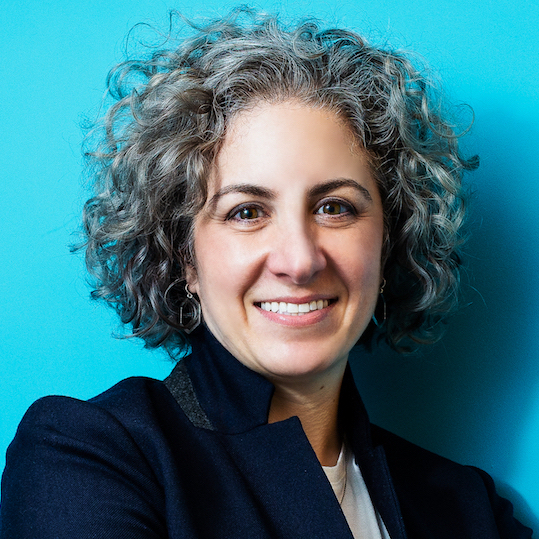
With Betsy Talbot
Listen and subscribe
In this episode
I met Betsy Talbot in a cafe in Berlin when we were both digital nomads, and years later she became one of my very first students. She emailed me recently with an update that made me smile so hard I invited her straight onto the podcast. She's gone from hoping for $4,000 projects to negotiating in the mid to high five figures, and the reason it's worth a whole episode is that she designed the business around the life she wanted and kept it that way. My take at the end is about when to learn this, and the answer is before you need it.
What you'll take away
- She wanted clients who spend a budget, not clients who have to find one. A client who already decided this matters will take it seriously. A client scraping the money together needs reassuring the whole way, and that's a second job you didn't get hired for.
- Week four, she went from $2,500 to $12,000 and signed at the new number. She thought that was the finish line. It was the starting line.
- Boundaries are for you, not for them. No Fridays, no email on weekends, nothing after six. She has a client of four years who doesn't have her phone number and has never once minded.
- She never switches discovery off. She hands clients ideas for their back pocket while a project is running, and nine times out of ten they come back asking to add it on.
- Learn how to get clients before you need clients. A B2B sale runs three to eighteen months and needing one badly doesn't make it any faster. Her drumbeat, and mine: fix the roof while the sun is shining.
In this conversation
The full transcript, in sections. Open any one to read it.
A cafe in Berlin, and two digital nomads
0:02
I can do now so much more with my life, which, again, is the most important thing to me, is I want to have a great life. I mean, want to have a business that supports that, and I want to do work that I enjoy, but I don't work just for my business. And I am not out just for a career kind of a thing. I'm here for what my business can do for me.
Welcome to the smart gets paid podcast with me. Leah Neaderthal, I help women land higher paying clients in their B2B, consulting, coaching and service based businesses. But I've never been a salesperson. My background is in corporate marketing, and when I started my first consulting business, I learned pretty quickly that it's about 1000 times harder to sell your own stuff than it is to sell someone else's. So I taught myself how to do it, and I created the sales approach that I now share with my clients so they can feel more comfortable in the sales process, get more of the right clients and get paid way more for every client contract. So whether your client contracts are $5,000 $100,000 or more. If you want to work with more of the clients you love, do more of the work you love, and get paid more than you ever thought you could, then you're in the right place. Let's do it together. Thanks for tuning in, and don't forget to rate this podcast. Review it and share it. Thanks. Hey there, Leah here, and thanks for tuning in. I hope that wherever you're listening to this, wherever you are right now, you're having a great week, making some good progress on your business, and, of course, taking some time for you. So I am so excited to share my conversation with one of my longtime clients with you in this episode, but first we have to go back in time just a little bit. So between 2010 and 2014 I was what's called a digital nomad. My former partner and I traveled the world and ran our businesses from wherever we were living at the time. Actually, I don't even know if people call them digital nomads anymore. They do that. I don't even know this was way before working remotely was really a thing, and definitely long before working remotely during the pandemic. But during those years, first, we backpacked for a month or so, but we kind of figured out that we hated the fast pace of backpacking, so we slowed it down, and we started to spend weeks at a time in places where we were staying. So, you know, three weeks in Cartagena, Colombia, and three weeks in Budapest. Later on, we would do two months in Buenos Aires and two months in Vietnam. And we spent two consecutive summers in Berlin, and we traveled with our dogs, which is like a whole other story. And while I was traveling, of course, I got to experience some incredible things. I surfed in Nicaragua and did Machu Picchu and ate the most amazing food, and got to know our neighborhoods in Berlin and Buenos Aires like, you know, we had our local coffee shops, and we really lived like really lived in these awesome places. And along the way, we also met so many amazing people. And we got to know a couple named Warren and Betsy Talbot, who were also digital nomads, and they were the couple behind the website and the brand, married with luggage. We immediately hit it off, and we stayed in touch long after, any of us were digital nomads anymore, and they had long since retired the married with luggage brand, and a few years later, after we stopped traveling after I had left that relationship and when I had started my own thing under what was my old company name and now is smart, gets paid. A few years after that, when Betsy was running her B to B copywriting business, she became one of my very first students in my program signed it was way back in 2018
and of course, we've stayed in touch since then, too, and it's been so awesome to see Betsy grow her business. But you know, as things go, you don't get to chat with each other as often as you would like, right? But recently, I got an email from Betsy that just put the biggest smile on my face, and I immediately invited her to the podcast. So back when Betsy started her business, and you know, in the first few years of running it, she was doing fine. She was working with clients here and there, and charging, what felt like was, you know, an okay amount, but she knew that if she wanted to keep running her business and if she wanted to grow it, she needed to learn how to go beyond fine. She needed to learn how to actually sell. But as you're going to hear, she didn't want to do it just to get clients and just to get paid more, because, as you'll hear her describe, she's always had this vision of how she wanted her life to be, and she's crafted her business. Business, and built her business with that vision in mind. So she went from taking small clients and doing okay and working really hard to getting clients who immediately see her value, who pay her more and let her have and support the life that she wants. I love conversations like this, because a lot of times in these episodes, we're solving sales challenges, like right now, in the moment, and in this episode, and some of the episodes coming up, they're going to hear what happened after they changed, how they were getting clients, and what happened in their business after that. But Betsy story in particular is an example of what your business can look like long after, because when you learn how to sell, it doesn't just increase your income immediately. I mean, which it does, but it really transforms your business for the long term. Betsy Talbot is a B to B, copywriter who works with clients in complex industries, and I'm so excited to introduce you to her and her story so that you can hear how she structured her consulting business to support the life she wanted, not the other way around. And then hopefully someday soon, you'll partner with us to help you build your consulting business, and you'll come back on the podcast and share your story. Let's listen in right after this. Enjoy. Do you have an actual sales process? I'm talking about not a general sense of what you should be doing, but a real process where you know exactly what step comes next, who to follow up with, and when, and you can see at a glance where every potential client stands, if the answer is no, or if yours feels clunky, or you're reinventing the wheel, every single time I made something for you. It's called roadmap to clients. It's a free 20 minute video course, and in it, you'll map out your customized sales process step by step, from the very first contact with a potential client all the way to a signed proposal. It's the same foundational process we use with every Academy member, and it's completely free. Go to smart gets paid.com/roadmap to get started. Betsy, I'm so happy to talk to you after all this time it I know such a pleasure to see you.
Face again, yes. So let's
just set the scene here. Tell us what you do.
Well, I help B to B businesses in complex industry. So for instance, law or engineering or finance, I help them communicate better with the clients that they want to work with, so that they get better deals. And I do this with value based messaging, you know, working on value rather than price. And this seems to resonate, especially in those industries where, again, it's a very complex subject, and so they're used to talking in very complex ways that don't necessarily translate to the best deals that they can get.
Yes, I am familiar, and I should say that you know you and I worked together in my program, signed and this because this is also your background. You are the person that I send people to when, you know, you know, this process of value based messaging. It's probably the hardest thing to to dial in in your business. And when people get to the very end, and I'm like, the, you know, the spouse that they can't hear any more advice from, right? Yes, I send them to you. And how long have you been doing this? I've been doing
this now for about seven years. And so the cool thing about this is, I was just thinking of you the other day, someone that I helped, that you sent my way, I was able to then refer to another client that I've been working with. And, you know, kind of what I was thinking about is how cool that you're starting what I like to call the Old Girl Network, you know, instead of the old boys network, yes, we've got, like, this connection of all these great women, because I get to know so much about what they do in their businesses, because we've done this value based messaging work together, it makes it so easy for me to then refer them out as experts to the clients that I work With. Oh, I love that. Yes. Full circle moment, yes,
it's totally I mean yes to the old girls network. Let's keep making that. Let's just throw it back for a hot second, because I think it'd be really interesting to share with everyone. How did we meet?
We met at a cafe in Berlin. We did,
what were we god? That was like lifetimes ago. What that
was lifetimes ago?
Yes, what were you guys doing
at that? So we were traveling. My husband and I were traveling. We had taken a little bit of a sabbatical, and we were kind of traveling, living out of backpacks for a little while you were there. And you were also running like 27 businesses or something at the time. As I recall, we totally locked in and started talking business. I mean, we had fun too, obviously. I mean, there was food and drink and adventure and all that. But I mean, we really locked in quickly talking about a lot of business type of things. And this is one of the things that I think really kept me connected with you and made me want to work with you in. Signed is that I knew you before all of this. I knew you as the business person you were before, and I got to see it from pretty close in your circle, how it was working. You weren't trying to impress me. You weren't trying to win me over as a client or anything. So it was really good to be able to see how you moved in that world. And that really spoke to me.
Oh, I love that. I and I appreciate hearing that. Thank you for sharing that with me. Yeah, thinking back to the time, it's so different, you know, I you being a digital nomad. We were digital nomads. We met up in like, four different places, yes, around the globe, but, you know, as a coach for somebody to have a, you know, that experience of me and want to work with me professionally. You know that just means everything. So let's just dive into your business, because you and I worked together several years ago. So how would you what was going on in your business when we started working together? Paint the picture for us, okay?
The life first, and a business to pay for it
10:56
So I was doing okay, and just to kind of set the stage, I am the sole breadwinner for my family. My husband is early retired, and so, and we have a great life, and but one that still needs to be paid for. And so crazy how that happens. Crazy how that happens. And so what I wanted was I want a business that allows me to have a life, because there are lots of other things that I want to do in this world. And so how do you do that as a as a sole income for, you know, when you want to have this, this nice life? And so I was thinking, you know, do I have to give up my free time? Do I have to, you know, Chase, you know, 1000s of clients all the time and try to make all of this work? And so I was really kind of trying to figure out how to make this happen. And where I was at was trying to get a whole bunch of $4,000 gigs to me. If I could get a $4,000 gig, that would just be, Oh, my God, that would set me on fire. And if I could just get enough of those, life would be great. That's where I was at back then.
Week four, and a 5x price
11:58
I had this in my notes. I just in in leading up to this call, I looked up the very first win that I recorded for you when we were working together and signed it was week four, and you had just raised your prices 5x so you had been charging $2,500 but you raised your prices to 12, 12k and you signed a client at that rate, at that at that new rate. And I had written down that you said you were just ecstatic, you know. And, I mean, of course, like, that's 5x but that, it turns out that was also not the end point. That was the starting point. Do you remember that moment at all?
I do remember that. I do remember that. And I remember thinking that, you know, I was only four weeks into the program and, and the thing is, you know, I took your program, and at the time it was a an expense for me to take that. I was thinking, Well, you know, is this really something that I should be doing? I don't know. So I went ahead and did it, and I kept thinking, I really need to make this pay off. I really want an ROI. And again, this is how I look at it. When I'm working with my clients, I want them to see ROI for me, like, early. I don't want it to be the end of the the engagement and have to figure it all out for them. I want them to start feeling it right away. And so I was really pushing myself, and you were great at, you know, motivating us to to actually get this stuff done. And I thought, I'm really going to just start putting this stuff into practice every single week. And I did. And the minute I got that, I thought, Wow, this course has just paid for itself.
Yeah? I mean, that's the whole point, right? But it's also the starting point. It, which is super exciting for me to see when those first wins happened, but when all the other wins happened.
The tractor
13:32
And today, I am contemplating paying cash for a tractor for our new homestead. That's the difference in where I was before and where we are now, and it is mind blowing to me. Wait. Can we just
pause for a second? Because I I'm not sure if our listeners know, because I definitely don't know how much a tractor costs. A tractor would be.
The kind of tractor that my husband wants is $65,000
and that's something that you can pay cash for, because your businesses is producing
now, I'm not saying I could buy 10 tractors or anything like that, but what I'm saying is something that wasn't even Well, that wasn't even on the radar back then. I can do now so much more with my life, which, again, is the most important thing to me, is I want to have a great life. I mean, I mean, want to have a business that supports that, and I want to do work that I enjoy, but I don't work just for my business, and I am not out just for a career kind of a thing. I'm here for what my business can do for me. And one of the things, one of the reasons I think that I am so good at my job is that I look for my clients to do the same thing. What is this thing going to get you? What is this thing going to get your clients? This is how we put together our messaging, because this is where the real meat of it is. This is why people buy things. This is why people do things. And so this is the way I live my life, and this is the way it translates into the work that I do.
Oh, and. Love it. I love it. You know, starting with your life first. I mean, I remember back from our conversations long ago. You know, you came from a corporate background. You could have easily stayed there, both of you guys, but you wanted something more. And I one thing I really appreciate about you is that you have always put this, like quality of life first, as a as an outcome, right? Versus only going for the money. Money has to pay for that, of course. But, you know, a constant drum beat with you has been this. These are the ways that this is improving my life. You know, this business, right? Is designed to improve my life, and the Money Follows.
It does follow. And not only that, the kind of people that you attract into your business also follows, because the kind of people who resonate with that are the kind of people who want to work with me, which in turn, makes me do a better job for them, because there's this kind of synergy going on which makes them even happier when they get I mean, it really is like this circle that keeps happening, reinforcing all of those strengths. And so it has never, never steered me wrong to to put those values first and to design a business around that. Now, I absolutely am coming from a place of privilege, and I certainly want to acknowledge that, you know, I don't have children I don't like there are lots of things that make it easier for me to to design this life that I want, but I do think that we all have a great deal of latitude in that in our lives if we decide to take it.
But what prompted you to take that first step? Right? How did you know it was time to take action?
Clients who have a budget, not clients who make one
16:32
Well, you know, again, it comes back to thinking about what I wanted our lifestyle to look like, but then also thinking about the kind of clients I was working with then, were the kind of clients that honestly didn't have a budget to work with me. They had to make a budget to work with me. And I decided the differentiation for me, even though I loved working with those clients, I want a client who has to decide whether they're going to spend their budget to work with me, not one who has to
find one that is such a big difference, that is such an important distinction, because what does that mean for you when you start to work with them?
Well, they already have dedicated they have already decided, again, aside from the money piece, they've already decided that this is important in their business, which means they are going to take it seriously. They're going to put the resources behind it and the attention to it. I don't have to bring them along to do that, whereas someone who's just had to come up with the money, and again, I've been there, I do not begrudge that. Being in that situation at all. What I'm saying is that person is always thinking about this first outlay of cash that they've done, and is it going to be worth it, and questioning it the whole way I can't be doing my job, and also reassuring them that they have made right business decision, because it's the first time they've done that, that's a that's a heavy burden on me, and I can't soothe that for them. Working with clients who already have a budget, I don't have to do that, and it just makes such a difference in the work. And when you make that kind of a difference in the work, you get a whole lot better
results, absolutely and well. And also, you know, think about how you can find yourself feeling in a client engagement right, where we talk about being in a one down position right where you feel like you have to sort of over deliver, or you're constantly having to sort of prove your value, or that you can take up space, and all these things. I mean, think about, I'm just thinking about how that establishes you in the dynamic, right, in the relationship. Like, if you feel like you not only do you have to do great work, but you constantly have to demonstrate like, okay, no, you have to make your client feel better about spending money with you. You know, it's it's exhausting, and you can never truly be a peer. In my opinion, I don't know if this, if that
resonates with you at all. It absolutely does. And it goes back again to the whole lifestyle, the whole lifestyle thing I was talking about before, the kind of relationships you want to have. Relationships you want to have, the kind of way you want to move in the world. I don't want to be one down or one up with anybody. I want to be on an even field, and I want us to move forward together. You know, one of the things I have in all of my proposals is that I'm a person who puts outcomes before egos, and I like to work with reasonable people who feel the same way, and that's exactly how I approach the work that I do. And so when you can work with someone in that way, and you don't have to make them feel bad, and they don't have to make you feel bad, and neither one of you has a weird feeling about that because of what anything, it just makes for such a better work experience. And I don't just mean from the personality perspective, but just from the synergy that you have when you're trying to accomplish these goals, it just, it's just on another level.
It is, it really is, well, so you had started down this path to to because you knew where you wanted to go in your life, and then working backwards, you wanted to go in your business. And then you know what? You and I started working together. What do you feel? Are, I don't know, the few of the most important things that you've learned that have really impacted your success or enabled you to sort of get to this place in your business.
Value based pricing, and walking in as a peer
20:11
Well, I have a couple of really big ones that stand out. The first one is value based pricing, because before I made a lot of money for people and charged peanuts for it, and when I started basing my prices on the outcomes that clients could expect from working with me, it changed everything. Now, of course, some people say no to that, and that's cool. You know that that goes along to something else I'll talk about in just a moment, but for those who do see that value and can tie it to that, they're happy to pay it. They're absolutely thrilled to pay it. Well, I have actually one client who says, You're the easiest person to give money to. It's my favorite testimonial ever. But he says person to give money to, and I love that. So, so I think that that has been the most important thing. So when I'm on a client discovery call, I find out, you know, what is it that you're trying to accomplish, and what does that mean financially to your business? And then I develop my price based on that. So it's not like I'm an a la carte menu of, you know, if I write, you know, if I help you do this thing, it costs this much. I mean, that's not how I work. I work based on the value of, you know what the client is going to receive. And so that was a big thing for me, because, well, a, it helped me position my products and services in a much more powerful way, but B, it made me realize the kind of impact that I'm making for my clients. And when you go in with that kind of confidence and knowledge that you've done this before many times, and you'll do it many times in the future. It just changes your conversation. You have no problem being a peer when you go in in that scenario, I'm not one down ever. I'm never one down in those conversations.
That is why I love that you said that, because that's why it's so important for me to to teach value based pricing as part of this system, because it's, you know, the first sale is to yourself always. And if you as, especially as business owners, we need small and big points of reinforcement that say, You know what, I'm good at this I am. I can help my clients get amazing outcomes. I, you know, all the sort of things that come out of, you know, that line of thinking. And you can walk into any conversation, you can walk into any proposal. We cannot walk into any follow up feeling so much better, right? And then when you put it to numbers, it makes the numbers instead of, instead of making the number actually feel weird, you're you're wondering if you're charging
enough Exactly. And you know, it's so funny, almost every client that I work with tells me that they would have paid me more at the end.
Oh my god. Well, that's a data right there, exactly, exactly.
We'll know when, when they get the result that they're looking for. They're just like, oh my god, this is this was worth so much. This was great. This was amazing. And, you know, I mean, yes, it's kind of a joke or whatever, and, you know, maybe I could have or whatever, but, but what I love about that is that I don't have clients who feel like I charge them too much, or they didn't get what they were looking for. They always get more than what they were expecting. And I think if you run your business that way, so that it's not about how much can I charge, it's how much value am I offering them, and what is a fair price for that value that way, I don't feel like I have to operate up to like this, this, you know, 150% level. I mean, I can operate like a normal human being and still get stellar results for them and feel really great about it, and so will they. It's only if you're charging, you know, trying to see how much money you can charge, and then have someone say, Okay, now what are you going to do for it? Well, yeah, that would really put you in a pressure cooker kind of a situation. But I don't feel like, I just want to make sure that it doesn't come across that I'm saying, Hey, we're just going to charge a whole lot of money and do whatever. I mean, it's definitely about the value that I can offer in the path to reach the goal that the client wants.
Absolutely. And I don't, I certainly don't want to apply that either, because I think also, you know, you and I know that all these pieces are connected, right? You can uncover the value price your work so that you feel comfortable. Do you know? Help helping the client achieve the value. Also, if you go backwards, making sure that you're talking to the right people who see that value and who are ready to achieve that value in their business, well, to say no, if they're,
if they're not willing to you, and you know what the value is, I'm willing to walk I'm willing to walk away.
Right? Exactly, so, all right, what else from you know, what you learned in the system? Did you feel like really shifted things for you,
Offering, not asking
24:47
the whole concept of offering and not asking, that was a big one for me. I know it was like in the whole scheme of the program, maybe not like the most mind blowing thing, but that is the thing that has really stuck with me the most, is that. So I'm not here begging anyone to work with me. I'm not here pleading for anyone to notice me or anything like that. I have a valuable service to sell. I like to work with a certain type of people, you know, these people in complex industries, and if we can make it happen, that's great. If not, I wish you well, and I will go off and do something else, and everything's fine. I don't get caught up in it so much that, you know, if I don't win this deal, then I must suck, and everything's horrible, and nobody likes me, and, you know, and I mean, I don't get wound up like that. Whereas, I would say, earlier in my business, I felt like every deal was a make or break on whether I was a success or not, and I don't feel that way at all now. And that is a huge difference in a huge difference in my attitude and my confidence level going into it, but also in my satisfaction with what I do. Because you're not going to win every deal and you're, you know, and that's okay. And sometimes it's sometimes it's very okay. And so that was a really good lesson for me. And then I would say the third thing was this whole point about discovery and trying to find out your customers pain points and the value that they're looking for. It doesn't end when you get the client. If you turn that on and you keep that on all the time, you will never be at a loss for business. One of the things that I say to clients all the time is, you know, we're working, say, on a specific campaign or a specific program, while we're doing that, something else will come along, and I'll get an idea, and I'll think, Oh, I wonder if they did the this and then this and the this. And instead of just keeping that to myself, I'll say, here's an idea for your back pocket. We're not going to be able to address this right now, but I was thinking if you did the x, y and z, then you could then do this other thing that you said you wanted to do. And that's always just like, Oh, wow. And then they remember that. And then nine times out of 10, I don't even have to approach it again. They say, can we add this on to the end of the project? Can we do this next? Can we, you know, they're the ones who come back to me for that, because I'm constantly in discovery mode with my clients, not only in what they're saying and doing, but knowing what I know about them. And just like looking around the playing field, you know, what's out there? What are the opportunities? What are the things that that I can do to make their life better? And just mentioning those in a casual way, and saying, This isn't for now, this is for later, but think on this, this is something that would help you accomplish this goal. And I would say that ongoing discovery has been huge for my business, huge.
Discovery as an attitude, kept switched on
27:40
Oh, I love that. Well. And let's, I want to dive into both of the things that you just mentioned, but let's start with the discovery first. I mean, you know, I have such a huge focus on Discovery because it is, you know, how you uncover the real value. It's how you structure a proposal, all these things. But I think what I'm hearing you saying is discovery is a way of listening, not just something that you do in like a sales call, right, right?
Discovery is an attitude, honestly, and when I'm working with a client, obviously, I have ideas. I have ways that I like to do things. I have really defined processes, which is another thing that I think helps in the whole scope of this. But the idea of discovery is always thinking about, how can we make this better? How can we make this bigger? How can we accomplish this other goal? How does this feed into that that my mind is always thinking that way? And so before, I kept a lot of that to myself, now by sharing that with a client well, because I would think, well, if I mentioned this and they're going to add it, and then we're going to have we're gonna have scope creep, and then we're gonna but now with that disclaimer of, here's this idea, put it in your back pocket, you know, go forward. Do it internally. Do it with another vendor. Come back to me, whatever. I'm just sharing you with you, this thing that I think is a value, and so I think it's an attitude of discovery. If you keep that with your clients, you will never have to look for clients again. It's a the kids would say it's a whole mood, right? It is a whole mood.
Every is a whole mood, well, but I love you know what you're saying here about it is so easy to to sort of second guess yourself and be like it's operating almost from a scarcity mindset. If I give this piece to my client, right, make this suggestion, first of all, it's going to come back negatively on me. I'm going to they're going to add it a scope creep, or they're going to think I'm trying to sell them something. Or, you know, all these reasons that you just mentioned, but I love the way you said it, the way you said it is, we can't really do it right now, or, you know, but just something for your back pocket. I what I hear in that isn't just a great idea and a potential, you know, recurring revenue, upsell opportunity, what have you. You have established a boundary in how you are offering that suggestion, right? You're, you know, your client might hear, Oh. Wow, she's really thinking about our business. But you're saying this cannot happen now, even still, I am, you know, I'm offering this to you. I mean, boundaries. Are you talking about quality of life, right? Boundaries are so important, and I don't know. Is that? Is that? How do you sort of approach that? I know I'm sort of taking this to a different direction, but, like, I think it's worth mentioning.
The queen of boundaries
30:21
Well, first of all, I'm the queen of boundaries. There is no one you can talk to that has better boundaries than me. Everyone that knows me, that is close to me will tell you that,
did you always have great boundaries? I did
not boundaries. I think I probably have always had better than average. But I in these last, I would say, 10 years of my life, I've really honed them. And one of the things you know, I've always done it for my personal life, but in business, I didn't do it as well until, I would say, five years ago, and really in the last probably three years, it's gotten good. But the more I protect my time and my space, the better work I can do for my clients. If you are a client who wants to work with me and you want me to be on Slack, you can just go away, because I can't work that way. And that is nothing against slack, or any of you know, the way people work, but the kind of work that I do requires me to be able to concentrate for long periods of time, so I can't be constantly on some kind of messaging thing with somebody. I just can't. And so when I put these boundaries out there, and I explain why that is, clients respond to that, and they're like, oh, okay, I have a client that I've been working with for like, four years now. They don't even know my phone number. They have never sent me a text message, nothing. They don't even know my phone number. And we work together close. They pay me a lot of money, and we work together all the time, and they have never once said that that's a problem. Now I'm not saying that nobody can ever have my phone number. I'm just saying it's weird that it's never come up. I was just thinking of that the other day, but I don't work on Fridays. I don't answer email on weekends, like all those things are really tight boundaries that I have so that I can do really, great work Monday through Thursday for the clients that I work with, and then I can really, really enjoy my downtime in the evenings. I don't work after six. I want to be with my husband. I want to be with my friends. I want to do other things and on the weekends as well. And so those kinds of boundaries not only are great for other people, so that they don't, you know, kind of infringe on your space, but they're also good for me, because it means I can't slack off. I can't say, oh, well, I'm just going to work late tonight because I didn't get that stuff done earlier today. Because these are the boundaries that you've set. So it actually works both ways. You know, everybody thinks boundaries are for other people, but boundaries are for you so that you can do your work and do the things that you say you're going to do within the timeframe that you said you were
going to do them. I love that, yes, well, and just tying it back to again, all these things are connected. It is very hard to have boundaries if you feel like you are constantly having to prove to your client that you deserve to be there and that you deserve to take their money. It's very hard to have boundaries if you are not what we call offering, not asking, right? If you feel like you're constantly asking for for business or asking, you know, whatever, like if you are not a peer, right? So I think that your all these things that you have done have allowed you to, I mean, I don't know if it's like causation or just correlation or whatever, but like they, they've allowed you to set and stick to boundaries and feel really good about
it, and I do. And not only that, boundaries provide clarity in a relationship, my clients never have to guess where, where I'm at, or what's going on with me, or when they can contact me, or when I'm going to get something done for them. They never have to guess that. They always know, whereas before, the way I would have worked, you know, some late nights, some weekends, here, there whatever they never really knew. And so when you when people think about limiting access, they think it's a bad thing, but it's really not. People want clarity. They want to know what the boundaries are. And if you tell them that, you know, I've never had pushback. I've never had pushback on any of this. And it's it's crazy, because I do lead a, probably a life with more boundaries than most people do in their business, and it still works.
I love it. That's wonderful. So let's talk about the things that you've been doing, the work that we did together, the principles that you've been practicing. How has that affected your business? Like, what changes have you seen in your business? But I'm also curious, what changes have you seen in yourself?
Better clients, more money, and a farmhouse in Spain
34:27
Ah, this is great. So changes in my business are easy. I have better clients, and I make more money. There you go. All right, there's two big ones right there. But the third one is that it it it has allowed me to maintain the lifestyle goals that I want to have, you know, to achieve some of the things that we wanted. Like, you know, I'm sitting here at this in this farmhouse in Northwest Spain that I've wanted to live in. We now have it, and we can easily manage this lifestyle. It's a great place to work from we get to, you know, live the way that we want to. So all of those. Things are great, and it's because the businesses is going well that we're able to do those kind of things. But I would say, from my perspective, the change in me is the level of confidence. I've never been someone who struggled with a lot of confidence, but I will say that being in business on my own was a little bit of a struggle, because before I had a business with my husband, and there is a it's a lot easier to have a business partner in some respects, because you are not in it alone. You're not going alone. And but when you have to be the face of everything, the negotiation of everything, do the work of everything, like when you're the one and it all falls down on you, it can be easy to second guess yourself, and to feel a little bit, you know, less confident. And one thing that the work that I did with you and the you know, putting it into practice on a daily basis all these years now, is that I am confident because I have enough success behind me that I know that it works, that I know I offer something of value that people are willing to pay for, that they're happy that they paid it and would have paid me more. All of those things really feed into the fact that I'm doing good work for the amount of hours that I want to do it every week, and it's allowing me to live the kind of life that I want. So all those things together, I think again, in the whole holistic thing that we keep talking about, it's all this big circle. It all feeds each other, and it ends up with the kind of life that I want to be living that's so
great well, so let's just flash back. Let's think back to you at that time when you were hoping to go from 2500 to 4000 for those for those projects. And what would you say to a woman who's at that point right now, right at that point in her business, what advice would you give her?
What she'd tell a woman still hoping for $4,000 projects
36:46
Well, I would say, rather than thinking of how other people are going to invest in your business, that you should invest in your business first, if you give yourself the gift of learning how to run your business, and that means everything. That means sales, that means selling, that means talking to people and, you know, offering them something so they will pay you money. And I know this is the thing that nobody really wants to do. They just want to do the thing that they want to do, but investing in yourself so that you can learn how to do this will allow you to do the best work of your career with the kind of people that you want to work with, and you will stop second guessing yourself in all the ways that you're second guessing yourself right now. It is such a gift to yourself to invest in those kinds of tools that will serve you in countless ways going forward, and how you run your business, how you approach clients going forward, even depending on the kind of business you have, that maybe it will influence the type of work that you do going forward. But what you will learn about value based messaging, about negotiation, about interacting with other people on a level playing field, it's such a gift. I mean, I can't even imagine going back to that again. I still think, you know, I would have been able to support us. We would have been, we would have been fine, but now we're better than fine.
That's great. That's so great. Well, Betsy, where can folks connect with you, learn about you, work with you.
Well, you can always find me on LinkedIn. I'm at Betsy Talbot on LinkedIn, and if you ever want to send me an email, I'm at Betsy, at Betsy talbot.com Yeah, that's the easiest way to find me, but I will tell you, I mean, God, I hate to say this. I'm on this podcast about selling and stuff, but I'm actually fully booked.
That's wonderful. That's great. So connect with Betsy. Do not expect that she will ever give you her phone number and but you can send me an email.
Send me a joke. I don't know. Let's be friends. Tell her that you heard her on this podcast.
Email me and I will tell you something scandalous from the time that we were in Berlin or May, oh, or maybe, maybe during Pride Parade in New York or anyway, there's lots of things that I can say. So if you email me, I will come up with a juicy tidbit. You will share secrets about me. You will share. We make stuff up. I'm gonna tell you. Okay, okay, we're gonna see if it's see if anyone believes it.
Betsy for a potentially fake scandalous tip about the time that we were all digital nomads together. I love it, all right. Betsy, so awesome to talk to you. Thank you so much for chatting, and I can't wait to see where you take your business and your life in the future.
Thank you, and thank you so much for the boost that I very much needed. It has made an absolute impact in my life, both financially and from a lifestyle. Perspective, and so I can't thank you enough.
The email that started this, and my take: fix the roof while the sun is shining
40:05
All right, so I mentioned that it was betsy's email with an update on her business that made me smile and prompted me to invite her onto the podcast. So I wanted to read that actual email here with permission. She sort of starts in the middle here, but she goes also, I wanted to share that I'm in end stage negotiations with a potential client for a mid to high five figures project. Okay, so she actually didn't say mid to high five figures. She actually said the number, which I'm not going to share here, but Betsy said that I could disclose that it was mid to high five figures. She goes on to say, which is large for my business, but not out of the ballpark of what I'm regularly doing now. What's so amazing is that a few years ago, I would have never dreamed of quoting such a big project or pricing it for value or getting to this stage of negotiations as always, this gig may not materialize. I don't count on the money before it's in the bank, but getting every prospect as a client is not the win. It's icing on the cake. The win is knowing how to confidently position my services to the right clients to regularly get work I love at a price that reflects the value they'll receive. My work with you years ago continues to pay off today, and I'm still taking Fridays off. Thank you. So that was the email she sent that led to this podcast episode. I think there are so many gems that you could take away from this conversation, and I hope you were taking notes, and actually a side note. A lot of people have told me that they keep a pen and paper nearby when they listen to this podcast, so they can take notes. Someone actually told me she listens to it when she goes running, and she started taking a pen and paper with her on her runs. So anyway, I hope that you've been taking notes, and there are some things that Betsy shared that you can take away because you could take away how she's adopted a discovery mindset and used it to seed additional projects while she's still working with her clients. Or you could take away how she's used value based pricing to increase her prices dramatically. And when I say dramatically, I mean, you know, remember how she said she went from 2500 to the mid to high five figures. So, you know, can't do the math exactly, but, you know, did the math. But I love how her whole thing isn't about the money, right? And, you know, I'm not one of those coaches that's like heart centered entrepreneur. It shouldn't be about the money. Let's not pretend like we don't need money to live our lives, right? But it's about her lifestyle and supporting the lifestyle she envisioned when she started this business. And you know, she's not hustling to get clients, she's getting the clients that can pay her well, so she doesn't have to hustle. But I want to sort of step back a bit and call attention to something that was kind of woven in here, but it's important, so I don't want you to miss it. You heard Betsy say that she was doing fine, and she probably could have continued to do fine. And it got me thinking about what I see a lot with women consultants. And that is this tipping point, this very fine, invisible line in getting clients. And it looks a little bit like this. A lot of women treat selling and learning how to get clients as a fix, as something that you do only when things are going wrong, whereas the goal is to learn how to get clients before you need clients right to do it when, as Betsy says, things are going fine. Because once you need clients, once you're on the back foot, it is 1000 times harder to get clients. And the reason is the B to B sales cycle. When you're selling to businesses, when businesses are your clients, the sales process takes anywhere from three months to 18 months. So that's if you're selling to businesses of any size, from small businesses to Fortune 500 companies, right? It'll take you anywhere from three to 18 months to sign a new client, and that's counting from the moment of first contact, that moment that first contact. So maybe they reach out to you. Maybe they're referred to you. Maybe they fill out the contact us form, or, you know, what have you, all the ways that they could make contact. That's when we would say the sales process begins, right? That's like day zero. But there's also the activity and all the education process leading up to that point. That's the time that the client is learning about you, learning about what you do, learning about the value that you provide. That's when through this education process that they go through on their own, they start to understand that this is the most important problem to solve. And they ultimately, after loss of education, they decide that now is the time to solve it, and that you're somebody who they want to see if you're the right person to solve it for them. This is the kind of stuff you know that education process. That's what's happening when they're reading your stuff on LinkedIn, getting your newsletter, etc, and all of that happens before the sales process even begins, even before day zero. So that three to 18 months can actually be a lot longer. So what I'm saying here is that there's no universe in which if you need a client. And you send an email and, like, get a client the next day, right? Even if you made contact with a new potential client today, you know you have, like, A New Day Zero. There's still anywhere from three months to 18 months until that client signs on the dotted line and pays you. Now I'm not saying this to scare you. I'm saying it to prepare you. A lot of women come to me because they need clients like they needed them yesterday. And for women in that situation, you know, I can teach you how to start conversations quickly, but again, you're still at least three to 18 months from getting a signed contract. And I feel bad, you know, because the B to B sales process just is the way it is, and there's not a quick get clients tomorrow fix and by the way, I don't think it's women's fault that we sort of wait too long or assume that there are quick ways to get clients. If you're a woman business owner, you're fed a steady diet of messages and emails and ads that say things like, you know, how I sent an email that made me $100,000
or, you know, this webinar made me $50,000 or how I became a millionaire with one simple script. But these are B to C messages. These are things that work when you're selling a low cost product or a low cost online course, or, you know, something like that, to individuals. And that's why I think a lot of women wait too long to learn how to sell, you know, to learn how to get clients, because you read these things and internalize these messages. So you think that's what selling is, but it's not that way for B to B. And side note, I know for a fact that a lot of these results, you know how I made a million dollars from one script are 100% bullshit, but that's a topic for another episode. So anyway, if you sell the businesses, if you wait to learn how to get clients until you need clients, then you unfortunately have waited too long. And I'm not saying this just for myself, although if and when you decide to learn how to get clients, I'd love to work with you, but I'm saying that for anyone you might possibly want to work with as a coach, if you sell B to B, if your clients are businesses, then don't wait until you need clients to learn how to get clients. I actually had a client recently, two co founders who had to stop working with me and actually close down their business and both get jobs because of this exact problem. And one of them said to me, her exact words were, I wish we had met you a year ago, because a year ago they had clients, they had steady work, and they were doing well. And I think if they had known back then that they could learn how to keep that up, and learning how to do that would only take a couple hours a week. Then they would have taken that step, and they wouldn't be in the situation they're in now. They were sad. I was sad. It was it was heartbreaking. It's why I say when you sell B to B, you know, fix the roof when the sun is shining. Instead of thinking of how to sell as a fix when something's wrong, think of it as a way to keep things going right and make things better. It's kind of like therapy, right? A lot of people think that you only go to therapy when something's wrong, but if you've ever gone to a therapist, and I go to a therapist, right, if you've ever gone to a therapist, you know that therapy is the healthiest thing you can do for yourself. The most successful women I've ever worked with have been the ones who focused on learning how to get clients and getting paid more for their work when things were actually going well, or as Betsy put it, when things were going fine. That's how they went from making $100,000 a year to $250,000 a year, or 250 to the high six figures. Or several of my clients, have gone from the mid six figures to over a million dollars because they treated it as a skill to take them to the next level, and they came in with momentum instead of scarcity. So listen, whether it's me you want to work with or someone else, my plea for you, my hope for you is that you don't wait to fix the roof until it's raining. If your clients are businesses, and you want to learn how to get more of them, or get better clients, or get paid more for your work, fix the roof when the sun is shining. Hey, everything we're talking about in this episode is part of the system women like you are learning in the academy. In the Academy, we help women consultants install the two systems every B to B consultant needs a marketing system to consistently attract the right clients and a sales system to lead a sales process to a yes and get paid more for every contract. So even if you've only gotten clients through referrals or word of mouth in the academy, you'll learn how to attract and sign clients outside your network, how to lead a sales process with confidence, and how to get paid for your value, not your time. And there's no cold calling or cold emailing involved, no changing your services or making a course, and you won't use any pushy sales tactics. That's just not our vibe. So if you like what you've heard. Here, the academy may be your right next step to learn how you can get these two systems in your consulting business and make progress faster and with fewer roadblocks. Head to smart gets paid.com/academy and apply and we can chat about next steps. All right. See you over there. Transcribed by https://otter.ai
Two ways I can help you
When you're ready to break through to the next revenue level in your consulting business, here are two ways I can help you.
1Join The Academy
For women consultants who've been in business 2+ years and are making $120k+. Build the two systems every consulting business needs to get more of the right clients, get paid more, and build a sustainable business:
- A marketing system to bring the right clients to you and fill your pipeline
- A sales system to help clients say yes and get you paid more
If you're ready to make your business and revenue more stable, secure, and sustainable, visit the Academy page to learn more and apply.
2Get Roadmap to Clients
Map out a simple sales process for your consulting business in less than an hour. Take potential clients smoothly from first contact to a signed proposal, so you can stop reinventing the wheel with every opportunity.
Get the free video course.