Episode 81 · January 7, 2024
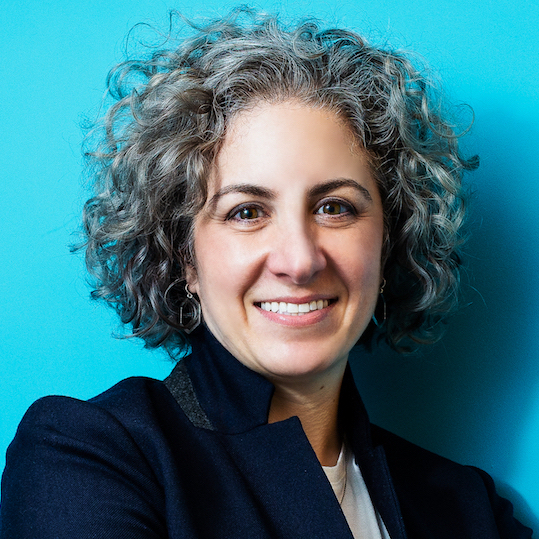
Finally feel in control of your business, with Alex Kreager
With Alex Kreager
Listen and subscribe
In this episode
I went into the holiday break planning to be productive, set due dates for a pile of projects, and got exactly none of them done, because two small children is not a break. Anyway. Alex Kreager does PR for electric vehicles and anything else you can plug in, and when she started she called herself a freelancer, charged by the hour, and took whatever came. Now she has two people on her team, gets most of her clients through LinkedIn, and doesn't get asked to prove herself in the proposal any more. At the end I explain what volleyball announcers mean by "out of system", which is the whole thing.
What you'll take away
- She used to call herself a freelancer, and she means something specific by that. They'd ask, she'd do it. Now they ask what she thinks about it first.
- She copied and pasted the agency into a business of one. Same hourly rate, slightly lower because she didn't have their tools, plus the client is always right. It produced burnout and no time for her own business development.
- She keeps a running list of the questions she gets asked on sales calls. She's close to knowing the answers by heart, and it turned "here's what else you get" into something she can say out loud.
- Coming from an agency, being visible felt like taking credit from her team. The shift wasn't talking about results more. It was teaching something, or answering a question a client had asked.
- "Money helps me do the most good." An Academy member's affirmation, and Alex wrote it down. She reaches for it when she catches herself about to charge less.
In this conversation
The full transcript, in sections. Open any one to read it.
"I don't need an agency to feel like an experienced business woman"
0:02
I'm realizing I don't need an agency to feel like I am an experienced, knowledgeable business woman. I am not with or without a big company, and it's been such a game changer for my confidence and the authority I bring to the table.
The holiday break I was going to be so productive during
0:21
Welcome to the smart gets paid podcast with me. Leah niederthal, I help women land higher paying clients in their independent consulting businesses, but I've never been a salesperson. My background is in corporate marketing, and when I started my first consulting business, I learned pretty quickly that it's about 1000 times harder to sell your own stuff than it is to sell someone else's so I taught myself how to do it, and I created the sales approach that I now share with my clients so they can feel more comfortable in the sales process. Get more of the right clients and get paid way more for every client contract. So whether your client contracts are $5,000 $100,000 or more, if you want to work with more of the clients you love, do more of the work you love, and get paid more than you ever thought you could, then you're in the right place. Let's do it together. Thanks for tuning in, and don't forget to rate, review and share. Hey there, Leah here, and thanks for tuning in. I hope that wherever you're listening to this, wherever you are right now. You're having a great week, making some good progress on your business and taking some time for you. And I'll add Happy New Year. Since this is the first episode of the new year, I hope you've had a happy, restful, energizing holiday and New Year's. So I don't know about you, but I used to always love holiday breaks, because I would be so productive, like I would catch up on so many things and get so much done. And it wasn't just like business stuff, either. I would read books, I would work out, I would be so productive. And, I mean, I could do that because, you know, I'm Jewish, so, you know, not a whole lot going on over Christmas break, when all the businesses were closed. And I still, I don't know, I guess after so many years of that type of thinking, I still sort of have that, like default setting in my brain that, you know, I would be so productive in these breaks. So when I was looking at the time off this break and our company was closed from the 22nd to the third, and my brain automatically went to, you know, I'm going to get so much done. And I set out all these like projects I wanted to do, and in our project management tool, I set up all these due dates, and in my mind, I was like, I'm going to be so productive. But it's kind of like my default setting has not actually caught up with my actual life, because now with two small children, you know that break is not a break at all. It's really hands on time with my kids and my wife was raised Catholic. I mean, she's not practicing anymore, but she loves Christmas, and her family does a really beautiful Christmas. So we were with them for that. And so as you might imagine, all those things I wanted to get done. I got, like, none of them done, and those due dates that I set have have come and gone. And during the break, we spent some really awesome time with our kids, my son, who's just the most amazing little four year old boy, and my daughter, who's learning how to talk and learning how to run, and just her little personality is just so great. And we got to just, you know, turn off for a little while. And really, those are what really needed to happen over the break, and all those projects and things I wanted to get done, I'm telling myself the mantra that I tell myself almost every day, which I learned from my business bestie Megan Flatt, it goes you have exactly as much time as you need as in it will get done, and it'll get done in the time you need it to and so maybe Next year, my default setting will reset itself to match my actual life. So I hope that you had a nice break as well, and you got what you needed too. All right, so let's dive into the episode. Shall we? I'm so excited to share this conversation with you, with my client, Alex Krieger. Alex does something so cool. She does PR for E mobility companies like EV, electric vehicles, charging stations. It's very cool. You'll hear her talk about it. And after being in business for a couple years, despite having clients and doing well financially, she didn't really feel like she was a business owner, because she didn't really feel in control of her business. You know, she took the referrals that came her way, but she really felt like she was in the passenger seat, not the driver's seat, but with a few changes and implementing a business development system, she was able to finally feel in control of her business and see an extra personal benefit that's so cool. I can't wait for you to hear about it. So take a listen to my conversation with Alex Krieger about feeling in control of your consulting business, and at the end, I'll come back and share a lesson you can apply to your business, and then hopefully, someday soon, you'll partner with us to help you build your consulting business and come back on the podcast and share your story. Enjoy. You. Hridoyn, so you might have noticed that with the economy being as it is, things feel a little shaky. Referrals are slowing down, budgets are getting cut, and clients who you thought would say yes, are saying no or not right now. And here's the thing, in this economy, you can't run your business by waiting for referrals. Clients just aren't going to swim into your net. You have to be intentional. That's why the best way to protect your business today and for the future is to have the two systems that every consulting business needs, a marketing system to bring the right clients to you and fill your pipeline, and a sales system to help clients say yes and get you paid more. But it's not just about getting clients, it's about security and stability and making your business sustainable no matter what's happening out there. Smart women are doing this right now, even in this economy, they're winning their biggest contracts, filling their pipelines, and their businesses are growing, which lets them do things like build up six months of family savings a lot sooner than they had planned, or go from having one to two months of revenue booked to having eight to 10 months of revenue booked, or getting to the place where you're able to pick and choose your clients and say no to the ones that aren't perfect. These are real results from women in the academy, because this is what we do inside the Academy. We help you build the marketing and sales systems that make your business and your revenue more stable, more secure and more sustainable. So if you've been in business for at least two years, if you made at least 120k last year, and if you want your business to feel secure no matter what's happening in the economy, join us. Apply today. It's marketspay.com/academy we get started on Monday, February 9, because you can't control the economy, but you can control what you do about it. Alex, thanks for being here.
Thank you for having me. I'm excited for this chat, yeah,
PR for anything you can plug in
7:16
well, so I am so into what you do. Tell the listeners what you do in your consulting business?
I do PR consulting for E mobility companies, which includes electric vehicles, EV charging companies, and everything from electric vertical takeoff and landing vehicles and anything that can be plugged in. So it's something I landed on when I first started, just based on referrals. And I really fell in love with the space, and people are really looking for PR support in this space, and I have an automotive PR background, so it all just worked out together nicely.
Oh my gosh, I love it. You basically like you do PR in the Jetsons world, just like this future world that we're creating a little bit. How long have you been doing that?
I've had my own consulting business since the end of 2020 my first full year was 2021 I've been in PR for 10 years now, though working in corporate before that,
awesome and All right, very cool. So I want to back up a little bit. How would you describe your situation when we started working together, like what was going on in your business? Would you say
Freelancer, hourly, and taking what came
8:37
I would have called myself a freelancer back then, not a consultant, and I didn't have a sales process. I was just taking referrals when I got them, and if I saw someone who looked like they were interesting on LinkedIn or even Instagram, I would reach out. And eventually, in 2020 2021, I realized things were I didn't have control over my own business. I was taking what I could get, and I felt, while the revenue was more than I expected for my first full year of business, and I was really proud of that. I thought the way I was managing my business was not ideal. I was just kind of taking what I had learned at these PR agencies and thinking I could copy and paste that for my own, like business of one, and I was charging hourly, which led to a lot of burnout, and really no time left in the day to do my own business development or market myself. And then towards the end of the year, I don't think the clients that didn't renew were unhappy. They just thought maybe we need to go in a different direction or consolidate. So by the time I joined the Academy, I had lost a couple clients, and I thought I really need to. Figure out how I can be a business owner and not just like getting swept up by whatever
comes my way. Yeah, okay, I want to pull out a few things you said here. I'm so glad you mentioned this whole like I wasn't really acting like a business owner. I was more like a freelancer. Because I don't know if you've heard my little rant about this, but I just don't like that word freelancer. It just to me, it feels different. It means something different. How do you think about being a freelancer versus being a business owner or being a consultant in your business?
I as a consultant, feel like I set the direction and the tone with the client, and for them, they feel a lot more supported, and they can feel my expertise from the beginning. And one of my clients has stuck with me even since those days, but I can see how their perspective has shifted to whereas as a freelancer, when we first started working together, it was hourly, and they would ask me to do something, and I would do it instead of thinking strategically for them, or I would give them my expertise, but if they still wanted something done, I would do it. And now it's more okay. What does Alex think about this thing? Or it's a lot better in terms of how I'm servicing my clients, I think. And back then too, I felt all this pressure to deliver all sorts of results that were more tangible. And now, being a consultant, I can show them. Okay, maybe this strategy isn't something shiny you can post on LinkedIn about your business, but it's something that you feel prepared to execute, or you feel more prepared in your business to grow it the way you want to, with the PR expertise that I can provide. Yeah.
Oh, absolutely. So you're totally right. This is, again, one of the reasons why I just cannot stand that phrase, freelancer. It feels like an order taker, and that's what you were describing, right? Exactly. Whatever you want me to do, I'll do it where being a strategic partner is where we want to be. When I think we always talk about and you've heard me say it 100 times, like we're always teaching our clients how to think about us, even from that first interaction. And I'm I think it's amazing that your client that you started working with when you were a freelancer, or calling yourself a freelancer, or had that mindset has come along with you, right? And changed their how they think about you, but that transition is really hard.
Oh yeah, it's been tough, but as they've grown, so have I, and I feel like we have this special bond of them growing as a startup and me as from a freelancer to a consultant who now has two members on her team. I think that growth together has been really special, so I love working with them.
Yeah, that's awesome. But yeah, I mean, I imagine that people coming in now just see you from day one as like a strategic partner. Oh, you feel a difference completely.
What stopped happening in the proposal process
13:04
And I think the sales process as it can be, it can still be long sometimes, but I think there are parts of it that are shorter. I get asked less often, you know, what are some ideas you have which I don't really want to give that away in the proposal process anyway? Or send us, you know, a list of outlets that you know they they just believe that I know these things, and it's so nice and a lot less stress on me to just prove things all the time,
yeah, oh my gosh, to not be on the defensive, right or not defensive, but like on the back foot. Because I imagine that when you get those requests every single time you're like, Well, how do I respond to this one, and how do I respond to that one? And I don't want to lose this opportunity, and I don't want to upset them in some way. But if they don't ask the question, and if it doesn't come up, then you're not having to, you're not like, agonizing over, like, how do I respond exactly?
Because you always want to do it perfectly. But now they can check my LinkedIn or my website, and even when they're talking to me, I speak with so much more authority than when I was early on trying to hustle and take what I could get, and now I'm a little pickier.
Totally, totally. I want to touch on something you said also about you felt the need to deliver tangible results, and I think in PR that's especially hard, because everyone wants the cover page or whatever, but as it's a it's hard to get that. And I think PR people are are in my experience, and actually, I did have a PR job very long time ago, but PR people are constantly trying to demonstrate or argue, really, that the benefit isn't just the story. The benefit isn't the piece, right? And I love what you were saying about this. Even some of the examples you had about one benefit is you feel more prepared to fill in the blank talk to me about how you. Are able to communicate that now, some of these outcomes as, hey, this is the benefit, not just the piece.
It's been a lot of trial and error, for sure, but in the academy, I've learned to keep track of my conversations more. And when I started noticing a lot of similarities and what people were asking for, I realized, oh, that's an outcome I can solve, and not just with media coverage for you, here is X, Y and Z I could also do. And then I've also started maintaining a list of frequently asked questions in my sales calls, because that was something I never thought to do before the academy, and it's made things so much easier, because I've almost had them memorized. Now, of here is what else you can get. I know you want the shiny piece of media coverage, but all of that takes time. And if you're a startup coming out of nowhere, it takes even longer, because you're starting from zero, and I think that's where before I knew how to communicate my value and the other outcomes I could provide if I didn't provide the media coverage they were expecting, I felt like such a failure.
Mm, hmm, oh yeah. It's, it's hard, but I love, I love what you're saying about keeping it frequently asked questions document, I, you know, I It's funny, because I take a lot of notes in calls as well. And I have a very technical system, which is, if somebody says something that's interesting, I like highlight it in cyan, and then I just like, go back. I mean, it's, I mean, I see technical. It's not technical at all. But it's like, it doesn't take much, it doesn't take a whole system to adopt that always on listening approach, you know, right? So, yeah, no, I love that. And the Frequently Asked Questions You said something that I just wanted to touch on, which is this idea of you hear the same questions over and over. And I think a lot of the women that I work with, and a lot of women out there are, they spend a lot of time working with a lot of types of companies, solving a lot of different types of problems. And because you're trying to solve so many different problems, you don't start to hear those same things over and over. But I once worked with a like a coach. This is a long time ago, when I was like, starting my own startup, and he was like, you will know that you are talking to the right people when you hear the same things over and over. And that's how I think that's, I don't know about you, but that's like a good signal for me that, like, this is, not only am I interested in this work or I could help this person, but this is actually a good client for me. Have you seen that play out at all? Or, like, how do you know if somebody's a good client for you, beyond just the
industry, when I do get questions that are, I guess, out of the blue, like, how can you help me make money with PR? Or, how can you do this really hard thing in general? Not that, like, PR can help with a lot, but noticing how some of those questions really are completely off base, like they don't really understand the work I do, or maybe they're not listening to what I'm telling them. That's definitely a red flag in a sales conversations. But the people that are genuinely curious about PR or want it to support their business are asking. So besides the media coverage, what are some of the outcomes we're going to get, and what are the KPIs I can track, and I walk them through with that, because a lot of startups have either maybe worked with someone internally before in PR or not really at all, but they know they need it, so it's fun to coach them at the beginning, and then I also figure out what do they actually need at this stage. They don't need me to, like, pitch for them.
I love this as what we call like magic words, right? Like, yeah, words in a sales conversation, right? We talk about like flags on the field, obviously, like red flags. But magic words are the things that you're like, Okay, this client gets it. This client is at the right stage for me to help them the most, right? This client's going to be a good client, yeah, and it's equally as important to listen for those things as well. Exactly yes. You mentioned that you came out of agencies and that you when you started running your own business, you just tried to copy paste what you had seen in the agency into your business. What did that look like? I'm curious, what sort of things did you try to copy and paste and how did that go?
Copying and pasting the agency into a business of one
19:31
First, I tried to copy and paste the hourly model of doing business, and I remember what my rate was at the agency and just started charging with that, or maybe a little less even, because I thought I don't have all the fancy tools that they have. And so that's where I started, and then trying to figure out how the client can always be right, and I want to do. That the clients asking me to but I'm also just one person. And I had originally taken on like a protein powder client and a marijuana client, and I realized, like this amount of variety, like, yeah, I want to meet my gold for a living wage, basically, but I, as one person, cannot do it all, and I need to figure out how to niche down. And thankfully, it happened in a way that's been really great for me. I think sometimes in an agency, you can feel the desperation of, we need new business. We need new business. And I just thought, I'll take whatever I can get. These seem really good and would be great for my portfolio, but it's not always great for like you as one person doing all of the work.
Totally, totally. And I love that you said, in the agency world, it is like this client is always right, especially if you're in a junior role at an agency. Yeah, the client is always right. You really feel the brunt of that, but I don't know. I think the benefit of running your own business and especially positioning yourself as a strategic partner like you are, like the client doesn't have to be right, and it's actually our job to say, I've never seen it work like that. This is my recommended approach, and it sounds like you're a lot more comfortable saying that now
exactly, I actually have a rule where I will tell them my expertise. I'll tell them what I've seen, I'll tell them what I've read, and if they still want to do something, okay, but I always want to put my opinion and counsel out there first, and if they continue to ask me to do the thing, then, okay. But you know, that's not how I feel, or how I would approach this campaign, or whatever it is,
I've asserted myself. You have the right to mess things up however you want, but I asserted myself.
But just know I did not want any part of this totally.
So what have been two or three of the biggest game changers in your business, from what you've learned
LinkedIn, and posting without putting junk out there
22:00
for me as someone who wasn't a PR agency, I always thought my role was to be in the background and make my clients look really good, so I never had any presence on LinkedIn, and I was really starting from scratch there when I joined the academy, and it's proven to be such an important tool in my business and business development. And I also thought content had to be like an always on type of thing. You always had to be thinking about it, posting all the time. But with LinkedIn, the algorithm is a lot more friendly than the other platform. So I generally post once or twice a week. I know what to say to add value to people, and not just putting junk content out there. So I've really learned how to use LinkedIn properly, not just, oh, I met this person at a conference. Let me add them type of thing. So that was one huge game changer for me, too. And then the other one was all of your strategies for doing proposals, because I used to spend so much time doing them, racking my brain for, like, brilliant ideas that these clients would have never thought of. And then sometimes I never hear from them, and I don't know if they're taking my ideas to somewhere else or what about it they didn't like and I think with our proposal process now, things are so much easier, and I don't just have to put together a huge deck. It can be really quick and easy or in an email even, because that has worked for me recently.
Yeah, I saw that you posted in the winds like you landed a new client with a proposal in an email the other day, yeah, yeah. And I
had sent them a bigger Proposal A few months ago, and then they came back with a different project. So I sent them a quick one in an email, because they already have the gist of things, and it just worked out perfectly. So we just started work yesterday. It's amazing. Congrats.
Yeah, we have, we have the proposal just for people listening. We have the proposal blueprint, or the proposal template for a full blown when the situation requires a proposal. And then there's a strategy called the proposal in an email where it doesn't have to be a whole big thing. Perhaps you've already talked about some of the particulars, and you're just making it official and giving them something that they can socialize and get approved. Get approval on. And people love that. It's worked for me, obviously, and sharing it now with you guys, like everybody loves that proposal in an email. It's amazing.
It's so nice. And I think too, for the right client that's already like warm and hot, warm ish, hot ish, and ready to pull the trigger, but they might need something else from you, like for me so far, with my proposal, in an email that I said, That's what worked well,
Being in the background, and why visibility felt like stealing credit
24:48
but I am so interested in this idea, in what you said about coming from the agency, where you're supposed to be in the background, and really now being able to be front and center. How. That it's a big shift, and I know that also, because that was the shift for me. I don't know how did that feel as you were starting to do that.
I think at an agency we at least in the maybe Junior and then kind of manager level was, when I left, we had to have all these results to show, like, how much value we were adding just to the agency or to the client, and the client supposed to think, oh, I have this great team for me, not just like one person. And I think I was afraid to, like, take credit for things that we all worked on together, which would have been fair for me to call out my team members too. Like I just had no idea how to put myself out there in a way that wouldn't, you know, look like I was being kind of arrogant, or, you know, leaving teammates behind, or things like that. It just seemed just so uncomfortable to me that I kind of left it alone completely.
So that is some serious conditioning, not just an agency world where is very present. But yeah, think about all the messages we receive about, don't, toot your own horn. Don't make yourself, I don't know, sound too good. It's and then, of course, like in the working world, or whatever, it's like, yeah, my team did it all. It's, oh, that it just, it's such a hard thing. You cannot just turn that off and be like, now I'm going to be super confident and take all the credit. I found it to be a huge learning curve and growth.
But the academy taught me like you don't have to talk about your results all the time. Specifically, how are you how can you teach somebody something today? Or what did something? What did a client ask you that you helped answer it. I just started to think of content in such a different way that it's become so much easier and more comfortable for me. So that's been a big game changer.
That's awesome. I don't know if, because I've been doing this for a while and writing for LinkedIn, eventually, for me, I started thinking about it became so much easier to have an idea and make the connection to something about my work or whatever. And I just developed this muscle even coming up with an idea for content became easier. Has that over time? Has that happened too?
Oh, yeah, completely. I remember. I was in vacation in Hawaii, on vacation last year, and I took a picture of like me in the gym to send to my trainer. But then I realized, Oh, I could use this for LinkedIn content, because a lot of CEOs that I'm hoping to work with have morning routines. So I made it also about my work and like trying to client signal a little bit. And I thought last year I would have never thought to do this.
Oh, my God, I love it. I love it. So let me ask you, so how do you get most of your clients now?
Now I get most of my clients through LinkedIn, actually, and it does. I still get a couple referrals here or there, but LinkedIn is has been great for me, because I have a network now that's very focused on E mobility, and a lot of times, I'll send a new connection request and someone will write back saying, Hey, I love to chat with you about your services. And it's just amazing how simple it's gotten for me,
I love it. I love hearing it. Amazing. Well. So through this process, what have been some results that you've seen from this work? I mean, how compared to how things were? How are they different?
Now, I feel like I'm a different person for one, but just like a more confident, basically, little
data point, I'm a whole different person, okay,
confident, authoritative person. If you asked me to interview on your podcast two years ago, I probably would have said, No, thank you. I have nothing to to say that would be helpful to anyone, but being in the academy and actually getting all the feedback has been really helpful for my business, too. I should have mentioned that one of your earlier questions, but I realized I cannot do it all my own, and I'm okay with that, because I don't want to. It's a recipe for burnout again, and as someone who's like growing our family this year, I don't want to spend all my time like working hourly. That would take me away from the important things in life, because my perspective has shifted, but I also think of my business completely differently. It's not just a way for me to make a living, but how can I really serve the people that need my help, and what makes me even stay motivated with E mobility is that it's going to make a huge difference for the world, and it's something I've always wanted to do is work with clients that motivate me in that way and make me want to be a better person and try new things. And I feel. I'm using my skills to help make a big difference. And I know we've talked about LinkedIn, but the whole business development process for me, which I thought was a big scary thing, and now it's just so much more simple and streamlined, and I can do that while also serving my clients in a great way at the same time, I don't feel like one is taking away from the other anymore.
Yeah, that's great. That's great because right, if you see, I hear from a lot of people like, if biddev feels like it's taking away from the real work, air quotes real work, then you'll never prioritize it, and then you'll always be scrambling. I love what you also super excited about your growing family. I love that you have this perspective of, I can't do it all myself. I don't want to you mentioned that you brought on two team members. I mean, you're running a real business here, and you when we started, I'm just going back into my notes, but when you started, you said I didn't have control before. Can you talk about that now? And how is that showing up differently? This level of control
Delegating, and setting the tone instead of taking the order
31:12
now I am delegating a lot more. So it feels like I from start to finish, when I'm servicing a client, I can think of all of the steps. What can I hand off? What do I want to do? What do I need to train my assistant on? Whereas back when I first started, I was doing everything and I had to map out my day based on how many hours I was spending on each client, and I didn't really have the foresight to think of processes and what the client might need from me that day. And because I was, like, you said, an order taker back then, I it was all so hard to just manage on my own. And now I set the tone, and I set all of the processes, and it's so much easier to remember things like that has, you know, the tech and operations piece of my business has also improved, and it makes me feel more in control of all of the things that are going on, rather than having to repeat the same To Do List three days in a row. And then I feel even worse and like I'm letting the business run me. But another thing is that I would let the clients run my life, whereas now I make my business a priority, and of course, my clients are still a very high priority, but without my business like, I can't really serve them. So that's how far things have come for me in just two short years.
Oh my gosh. It's amazing. It's amazing. And you alluded to this briefly, but I'd love to dive into it. You talked about changes in your business, right? But what other changes? What changes have you seen in yourself?
Oh, for me, I feel more confident as thinking of myself as a business owner rather than a freelancer. I feel like I have a lot of decisions to make, and I know all of the things, and I've talked to people who I thought were more senior than me in an agency, or have more experience than me, and they're asking me how to do things, and these are other people in my network, and I'm realizing I don't need an agency to feel like I am an experienced, knowledgeable business woman, I am not with or without a big company, and it's been such a game changer for my confidence and the authority I bring to the table. And I used to feel very self conscious about my voice and how high it can be, and I just didn't think people would take me seriously ever. But now I really don't care, like, if that's a problem for you, that it's not, we're not meant to work together. And I also think I really wanted my business to make six figures in the first year, and it did, and then I felt, oh, guilty asking for more money. And I think the whole money mindset work we've done in the academy has really changed things for me too, because I'm not just trying to hoard it all for myself, like I want to grow my business so I can serve more clients and bring on talented women to work with me and who can do even better for my clients than just me on my own. So all of those things make me excited to continue growing in my business, and it's really become a channel for me to grow as a person.
Amazingly, I think it would happen. It happens, whether you want it to or not, but you want to make sure it happens in the right way Exactly. I'm really curious, if you wouldn't mind sharing, because we did spend quite a bit of time on money mindset. And I love money mindset, money narrative, all of that stuff was there. Can you Is there something you could share that you realized? And you can say no to this, but. Is there something that you realized through that work that really surprised you, that now knowing it allows you to do something differently?
"Money helps me do the most good"
35:08
I felt like anytime I got promoted, I was super proud of myself, but I think more so because of moving up, and not just the money I was making, but I think now in my business, when we were doing some of the money mindset work, someone said what their affirmation was, money helps me do the most good. And that was such a light bulb moment for me. And I can't remember who it was. It was an Academy member, but it was so good to be I wrote it down, and I look at it when I think, oh, maybe I should charge less for this, but no, this is what our services cost. And it's not just for me to spend on myself, which was, I think for me, that was a weird mindset, like, I don't want to spoil myself all the time, but it's for me to grow my business and to pay my taxes and to get my benefits and then to maybe help pay my mortgage or whatever. It's not just a pile of money like Scrooge McDuck style I keep in my office, and I don't know why that visual. Just like when I telling people how much things cost, that's what I think they're thinking. But it's not the case at all. Most people don't even bat an eye when I tell them the cost, they'll just say, Oh, I can't do that. Or Yes, sounds great, yeah.
Oh, my God. I love this. The Scrooge McDuck visual is so good. I love that. That affirmation, money helps me do the most good. Money helps me get the most good. It's like money. It puts money and you on the same path, not in conflict.
Exactly. Yes, it can be so general too, like good in ways, for your community, for your business, for your family, and so that's why it's really stuck with me and helps me keep going when I feel guilty for whatever reason.
Yeah, and that still does happen no matter what. Yep. So what would you say to someone who's in the position that you were back then, like, what advice would you give to somebody who is on this journey?
Her advice: patience, and one thing for the business first
37:08
I would say a couple things. First, that it does take a lot of patience. I came to the academy, I was comfortable enough, but I didn't have a pipeline whatsoever, and that really depends on your network and how much work you're putting in. And I think even since that point, I have let myself be more and more patient with the sales process, because we've also learned how things can work internally on the client side, or how fast time moves for them. So all of those things, I now understand a lot better, and that the sales process has nothing to do with me. Or am I being annoying by following up. It's just how things work. So patience is a big one, as annoying as it can be sometimes, and then also making my business a priority. Like I said, I just never thought of myself until I joined the academy as a business owner and a consultant. I was just like flying by the seat of my pants, basically. And so even since then, I do something for my business the first thing every day and for me, that helps me set the tone. Okay, I wrote a LinkedIn post or emailed somebody that I hadn't talked to in a long time, they can start on my client work or whatever it is. So for me, that helps set the tone, and like we talked about, helps me feel like I'm in control of my day and I'm in control of my business, and go from there for all the clients that they need throughout
the day, I love it. I love it. It's it's no different than what people say about like how you shouldn't pick up your phone and first thing in the morning you should have some time for yourself or look out the window or whatever it's if you start off on the right foot for the day, for the rest of the day, you're reminded that I have done something for myself, and I am important, and my business is important Exactly.
Even like with working out or whatever else you like to do in your morning routine, you notice a difference during that day. And there are, of course, days where I put my clients first, or something really hot is happening, and then I just I don't feel as good the rest of the day when I don't do my business thing,
I know exactly Alex. Thank you so much. Where can people find you?
You can find me on LinkedIn, please. My name is Alex Krieger, and I also have an email newsletter if you're interested in PR tricks and tips for E mobility, and you can subscribe on my website, which is brand ally, comms.com, awesome.
Thank you so much for sharing your journey. I know this is going to really inspire folks.
Thank you so much for having me.
My take: in system, or out of system
39:56
All right, let's send a huge thanks to Alex for sharing all of the. Goodness, and if Alex said something that spoke to you or helped you in any way, please reach out and let her know. Although I will say, if you reach out to her in the first few months of this year, you might be catching her on maternity leave because that growing family she talked about, it's happening. So congrats to Alex on the birth of her new baby. So as always, there are a lot of threads we can pull here, because there's so much that goes into feeling in control of your business. We could talk about how Alex was able to establish her expertise so she didn't have to answer questions that made her feel like she had to always justify herself. And oh, my God, just that stuff about coming from the agency world and everything you have to learn from that, what we lovingly call in the academy head trash. I mean, so much of that. But I want to zoom out a bit and look at how she was really able to go from, as she said, flying by the seat of her pants, to feeling in control. And it reminds me of of all things volleyball. So come with me for a second. So I used to play volleyball in high school, which I know may surprise you because I am five two, but it also might not surprise you that in volleyball, I was a setter, which is the position pretty much reserved for the shortest person on the team. But anyway, because I like watching volleyball. I get targeted on social media with these videos of college volleyball games, like these epic rallies that are minutes long. And since the videos are these, like, big 10 schools and these huge sports programs, the videos are all from actual sports networks with, like, actual sports announcers calling the games, and every now and then the announcers will say a phrase that I think really fits here. It's in a long, sort of chaotic rally, they'll say, this is out of system. So out of system is imagine like when the ball comes over the net and maybe a player, I don't know, digs a hard spike from the other team, or maybe the ball just comes over in an unexpected way, or they're scrambling in some way. But in any event, that first pass on your side, that side, the ball doesn't go where it's supposed to, which is it's supposed to go right to the exact place where the setter is, because what they want is, you know, a bump set spike, like running a play. And instead of that, the players are just, you know, trying to keep the ball going and get it back over however they can. And so when that happens, when they're not, like, running a play, they're just trying to get it back over, the players are said to be out of system. So I've been thinking about that phrase a lot, because when things are out of system, you're flying by the seat of your pants. You know it's different every time, and things are not how you want them to be, which is calm and predictable. When you're out of system, you're just trying to do whatever you can, as opposed to being in system, which is what the players want. When things are in system, the players know what to do. They can run the plays they know, and things are predictable. When you're in system, you're making moves in really a systematic way towards your goal. You're running the plays which are going to help you win the point you know over and over, and then ultimately, you know the game. So how does this relate to feeling in control of your business. So the reason Alex was able to feel in control in her consulting business was because she was in system. She wasn't, you know, flailing around. She knows what to do, she knows what to ask, she knows how to get leads. It's predictable, and the way to grow consistently and calmly and gain control is to be in system. And the reason she was in system is because she had a system. So the reason why so many women consultants don't feel in control of their consulting business is that you're out of system. You're making it up every time, or most times, you're maybe at the mercy of the clients you get, just the ones that come your way. It's kind of the definition of chaos. And chaos doesn't have to mean crazy. Chaos just means it doesn't follow an established pattern. So to solve that, instead of being out of system, it requires a system, especially right now. I mean, last year was it was a weird year, and it was a tough year for so many people in general, and for a lot of women running consulting businesses. You know, most of the women I talked to who had great years in 2020, 2021, like, you know, the covid years. In those years, some women had some of the best years they ever had, or if they started their business in those years, they were really successful right away. But a lot of women are finding that last year was different. It was harder. Clients didn't fall into your lap last year the way they might have done in the covid years. A lot of women just didn't get a. Many clients, or get as much work, or when they were hoping that their business would keep growing, they actually made the same amount or less, and it wasn't predictable. And unfortunately, I mean, listen, I hate to be a Debbie Downer here, but there's no evidence that this year will be any easier. And so you can blame your success on external factors, but when you do that, you'll still be at the mercy of those external factors. Or you could have a system, because when things externally are difficult or tumultuous and really unpredictable, you need a system. You have to be able to run the system so that you can keep moving forward. If the way you get clients and grow your business is haphazard, you're just not in control. So my hope for you this year is that you aren't out of system, you know, flying by the seat of your pants, and that you have a system so you can stay in system, so you can have a more profitable, less stressful and more predictable business, and so you can feel in control. Hey, everything we're talking about in this episode is part of the system. Women like you are learning in the academy. In the Academy, we help women consultants install the two systems every B to B consultant needs a marketing system to consistently attract the right clients and a sales system to lead a sales process to a yes and get paid more for every contract. So even if you've only gotten clients through referrals or word of mouth in the academy, you'll learn how to attract and sign clients outside your network, how to lead a sales process with confidence, and how to get paid for your value, not your time, and there's no cold calling or cold emailing involved, no changing your services or making a course, and you won't use any pushy sales tactics. That's just not our vibe. So if you like what you've heard here, the academy may be your right next step to learn how you can get these two systems in your consulting business and make progress faster and with fewer roadblocks. Head to smart gets paid.com/academy and apply and we can chat about next steps. All right. See you over there. Transcribed by https://otter.ai
Two ways I can help you
When you're ready to break through to the next revenue level in your consulting business, here are two ways I can help you.
1Join The Academy
For women consultants who've been in business 2+ years and are making $120k+. Build the two systems every consulting business needs to get more of the right clients, get paid more, and build a sustainable business:
- A marketing system to bring the right clients to you and fill your pipeline
- A sales system to help clients say yes and get you paid more
If you're ready to make your business and revenue more stable, secure, and sustainable, visit the Academy page to learn more and apply.
2Get Roadmap to Clients
Map out a simple sales process for your consulting business in less than an hour. Take potential clients smoothly from first contact to a signed proposal, so you can stop reinventing the wheel with every opportunity.
Get the free video course.