Episode 66 · May 28, 2023
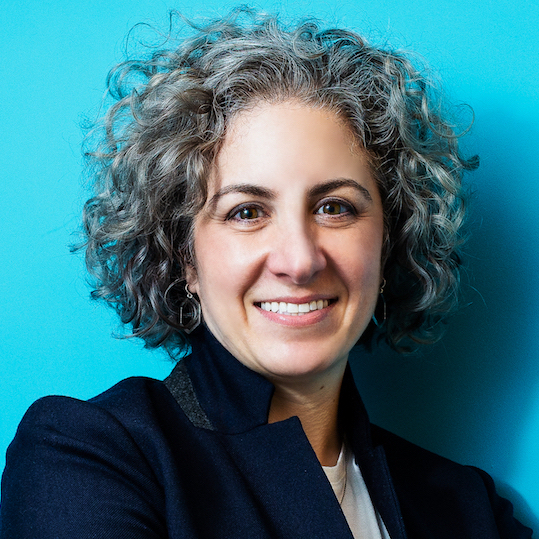
From behind the camera to in front, with Kim Rittberg
With Kim Rittberg
Listen and subscribe
In this episode
I flew to LA at the last minute and knocked on my best friend's door to surprise her, which took some doing with two small kids, and it was worth every bit of the logistics. Kim Rittberg is another old friend, from college, and she spent ten years in media making other people look good on camera. She was working from the delivery room when the company she worked for sold for $100 million and she got none of it. Now she coaches business owners on video and podcasts, and this conversation is largely about the gap between being good at something and being willing to be seen doing it.
What you'll take away
- She'd built a whole career making other people the voice, and none of it was hers. Puppeteering a magazine, a network, an anchor. Deciding to be the voice herself was the hard part.
- "Hiding from social media is only hiding from your own success." Her line. The people she feared judging her were senior colleagues from her media years, and they turned out not to be watching.
- Her fix for not knowing what to post: write down the ten questions clients ask you most and answer them properly. That's ten posts, and it's your actual work.
- Say professional opinion, not opinion. A client corrected her on it: I'm paying you for this, so don't call it your opinion. Fifteen years of experience is not a hunch.
- To get good at something you have to be bad at it first. Leah's take, and she says she was a chronic quitter about anything she wasn't immediately good at. The twentieth video beats the tenth.
In this conversation
The full transcript, in sections. Open any one to read it.
"That's not what I want, and that's not who I am"
0:02
I think all those fears were like really palpable, and they weren't visible, but they were really making me hide. And over time, I realized hiding for me, hiding from social media just meant hiding from my own success.
Knocking on a door in LA
0:17
Welcome to the smart gets paid podcast with me. Leah niedersthal, I help women land higher paying clients in their independent consulting businesses, but I've never been a salesperson. My background is in corporate marketing, and when I started my first consulting business, I learned pretty quickly that it's about 1000 times harder to sell your own stuff than it is to sell someone else's. So I taught myself how to do it, and I created the sales approach that I now share with my clients so they can feel more comfortable in the sales process, get more of the right clients and get paid way more for every client contract. So whether your client contracts are $5,000 $100,000 or more, if you want to work with more of the clients you love, do more of the work you love, and get paid more than you ever thought you could, then you're in the right place. Let's do it together. Thanks for tuning in, and don't forget to rate, review and share. Hey there. Leah here, thanks for tuning in. I hope that wherever you're listening to this, wherever you are right now, you're having a great week, making some good progress on your business and taking some time for you, I actually did something fun, just for me. About a month ago, I flew to LA at the last minute to surprise my best friend, Courtney. She and her wife had moved from DC to La just over a year ago, and whenever we used to go to DC to see my sister, we would see them too. But now that they're in LA, obviously we don't get to see them as much anymore. And so it had been, you know, at least over a year since we'd seen each other. And so I coordinated with her wife to make sure they'd be home that weekend and make sure she'd be home when I arrived. And so I flew to LA and, like, literally, you guys, like, showed up at the front door, you know, like, knock, knock, knock. Here I am, and Courtney opened it, she screamed. She was shocked and amazed, and we just had a great weekend that was just so so amazing. And me going to LA to surprise her was a total feat, not just because it was fun and spontaneous, but also because I have young kids. They're three and a half in 10 months. And so your life really revolves around them. But I worked it out with my wife where I could take the weekend, you know, I made sure her sister would be in town to help, and I could get to spend a great weekend with an old friend. I guess all I can say is, it was nourishing, and I was thinking about this visit as we were editing this episode, because in it, I also get to talk to an old friend, Kim ritberg. She's a friend of mine from college who I've reconnected with over the past few years, and she's doing amazing things in her business with video, and I'm so excited to have her share them with you. So just to quickly, back up for a sec. So if you've been listening for a while, you might have heard me mention that I got my start in advertising. I worked at ad agencies, DDB and Leo Burnett, and then I went in house to do corporate marketing at a mid sized tech company. And so as a marketer, it was my job to make other people look good, whether it was the company that we were pitching at the agency, or making the account team look good, or making the tech company look good, or, you know, the software that we were selling making that look good, like fully trained in making other people and brands look and sound good and making them visible. And so what happened is that when I started my business, I was so good at making other people look and sound good and making other people visible, like I was great at marketing other businesses, but I had no idea how to market myself. Or what I should really say is I knew what to do, but doing it for myself felt super uncomfortable, and I hear some version of this echoed in the conversations that I have with the women I work with. They're so good at marketing other brands or other businesses or other teams, but they just can't do it for themselves. Essentially, they're so good at making other people's voices heard, but they can't make their own voice heard. So for me, that's what led me to learn how to do it and how to feel comfortable doing it, so that I could start showing up, getting clients and building my business. So I know it's absolutely possible, and I wanted you to hear from somebody else who's done this too, and who can share how she did it, and how you can also and so that's why I've invited Kim to join me on the podcast. Kim is a dear friend of mine. I mentioned that we actually went to college together at Penn and when I moved back to New York a few years ago, we reconnected after something like 20 years, and in those 20 years, Kim had an incredible career in media as a producer for Netflix, US Weekly people Pop Sugar, and she's led the creation of content on behalf of brands that are household names, brands that you and I know, but she was always behind the camera, but now in her business. Where she teaches women how to use video to build their businesses. She's had to turn the camera on herself, and she's going to share with you how you can do the same thing so you can use video and your voice to build your consulting business. So take a listen to my conversation with Kim rip Berg, and at the end, I'll come back and share a lesson that you can apply to your business. You so you might have noticed that with the economy being as it is, things feel Ali shaky. Referrals are slowing down, budgets are getting cut, and clients who you thought would say yes, are saying no or not right now. And here's the thing, in this economy, you can't run your business by waiting for referrals. Clients just aren't going to swim into your net. You have to be intentional. That's why the best way to protect your business today and for the future is to have the two systems that every consulting business needs, a marketing system to bring the right clients to you and fill your pipeline, and a sales system to help clients say yes and get you paid more. But it's not just about getting clients. It's about security and stability and making your business sustainable no matter what's happening out there, smart women are doing this right now, even in this economy, they're winning their biggest contracts, filling their pipelines, and their businesses are growing, which lets them do things like build up six months of family savings a lot sooner than they had planned, or go from having one to two months of revenue booked to having eight to 10 months of revenue booked, or getting to the place where you're able to pick and choose your clients and say no to the ones that aren't perfect. These are real results from women in the academy, because this is what we do inside the Academy. We help you build the marketing and sales systems that make your business and your revenue more stable, more secure and more sustainable. So if you've been in business for at least two years, if you made at least 120k last year, and if you want your business to feel secure no matter what's happening in the economy, join us. Apply today. It's markets, pay comm slash Academy. We get started on Monday, February 9, because you can't control the economy, but you can control what you do about it.
Kim, I'm so happy to have you here. Thanks for being here. I'm so excited to be here. Thank you. So Kim, let's just dive in. Let's let's tell the good people who you are and what you do. Hi, good people.
Ten years in media, and the delivery room
7:21
I am Kim rittberg. I help business owners grow their income, leads and credibility through video and podcasts. I came here here, meaning this is my business, because I spent the first 10 years of my career in media. So basically I was a TV news producer, covering breaking news, entertainment, everything, like writing, storytelling, getting people ready for camera. Then I shifted into digital video, and I launched the US Weekly video unit. Eventually I did Netflix marketing and Pop Sugar branded video. But basically, when I was at US Weekly, I found myself working in the delivery room, and the company was sold for $100 million and I got $0 of that, $0 and it was a real epiphany to me. I was having my second baby, and just being on my phone with the IV in my arm, I looked around and was like, this character of a working woman is just like, that's not what I want, and that's not who I am. And it sort of really, really pushed me to rethink my career. I took two more jobs because, you know, takes a while to really start our business, even though we think we know it,
yeah, and that's, that's what we do. That's what we're sort of programmed to do, aren't we? Yeah, that's
what we do. And so it took me another two years to really, really launch my business. And so now I actually have my business, and I help business owners grow with video and podcasts, and I also, you know, everything from strategy to execution of the video and podcasts and media coaching, on camera coaching, so that you feel great about your messaging and your confidence before you're about to make those videos and make those podcasts.
Yeah, and I feel like you just like, busted on the scene here, because, you know, all of a sudden I saw you. You're getting featured here and there. And you you know, your podcast is amazing, and if you haven't listened to it, check, listened to it, check it out. It's mom's exit interview. We'll talk more about that. And you didn't just like, sort of tiptoe in, you know, you like, burst onto this, onto the scene, which was so awesome to see. Thank you
The insecurities nobody would guess she had
9:15
for saying that. Because so this is and I love sharing this, because a I used to never share anything, and I feel like I've learned a lot from my own experience and from my own insecurities and fears that are not visible to others, like, basically, if you met me at a party, and Leah and I, you know we knew each other from college. And this is to say, I do feel like I like sharing my story, because it took me a really long time to be honest about my own insecurities and putting myself out there took me a really long time to do. And so I feel like, basically I worked in corporate. I was never online at all, except, like my LinkedIn was like, Look at this big job I have. Hey guys, look at this other big job I have. But basically no personal presence, just LinkedIn, this is what I'm doing, and Facebook. Spoke photos every few months with a vacation, basically no social presence. When I launched my own business, I started with corporate clients, and I loved it, like I did a huge project with People magazine, and I absolutely loved them, but I did realize that I wanted to help more business owners and, like, really expand my reach and help more people that didn't necessarily have the corporate budget or just structured in a different way. I could do different things. Help people be thought leaders, help businesses become brands in a way that you can't necessarily always do with the bigger clients like you're you can do really cool, big things, but you can't get them from like zero to 100 because they're already at like 95 or 90 so when I have my company, I'm like, I am telling people to put themselves out there. I'm telling them to get on camera and build their business with video. I am invisible. I literally did not post anything that was professional. And I just was like, oh my god, I'm a fraud. Like, I'm
a hypocrite. And, yeah, and that was it.
And I love that you the way that you sort of drew that comparison, because, like a lot of the women I work with are helping, are doing some type of communications, marketing, visibility, even helping their clients put themselves out there in leadership positions, for example, or what have you, and yet they themselves, don't have a social presence, aren't putting themselves out there. And so I think that that realization that you had is so important, and I think it's and I know that it's like a disconnect that's happening with a lot of the women that
I talk to as well. I feel so strongly, and I'm very passionate about sharing my message, because I felt it very, very deeply. I had all of these fears about launching my business, about launching my podcast, fears that no one would see if they saw me at a party or if they had a lunch with me. I come off. I'm a total extrovert. I'm a confident person. And I think that you'd be like, What do you mean? Kim? Was ever self conscious? I had so many voices in my own head that were running through, like, don't go on social media. All of these your former colleagues, these SVPs, these vice presidents, these directors are going to be like, Why is Kim always on social media? She's so salesy. Why is she promoting herself? Why is she such a narcissist? Like, she wants to be an influencer. And I had all of these negative voices in my head. It was that fear of judgment. It was a fear of failure. Like, what if I say, I'm running this business and it fails, and I look like this huge failure, and it was also just fear of the unknown with the business more than the showing up. But like, if I launch my own business, like, what does that mean? Like, what are the markers of success? Like, there's no org chart. Like, I don't understand how I'll know when it's working. And I think all those fears were, like, really palpable, and they weren't visible, but they were, they were really making me hide, and over time, I realized hiding for me, hiding from social media just meant hiding from my own success. I got to be out there. I'm telling other people to do this. I am my own best spokesperson, and I am really doing myself my business, a disservice by not using that, that power, that knowledge, like I've learned in 15 years, all of these ways to leverage video and podcasts. If I'm not doing that, I'm hiding from
my own success.
And I love that also, because just following up with what you're saying earlier, it's not just you're just the driver. Isn't, if I don't do this, I'm a fraud, right? It's not, you know, you're sort of running from some negative thing you had identified that like to get to where you want to be, you were going to a positive like you turned it into a positive. And I think that that's, you know, so important if, if your driver is that, that the shoulds right, like all the shoulding that we do of ourselves, like you might get started, but you won't continue. I love that you identified that like you have these tools. You are your best advocate. This is it pulled you rather than should have pushed you?
Showing up because you're helping, not because you should
13:45
Yes, yes, 100% and I think I see this with a lot of my group coaching clients, my one on one clients, they feel very self conscious, or they feel a lot of perceived judgment, that it will be judgment in the future on them by showing up. But the truth is, almost all of us, especially small business owners, we were here to help all of your consultants that listen to the show, they show up because they believe that they're helping people, and they are helping people. And I think that that was a huge mindset shift that I applied to myself. And I also told my clients, basically, I help people show up on video. So if I start showing up on video and actually teaching, actually providing that value, that's going to create positive association, positive engagement, word of mouth, referrals, like all of the things you're looking for in your business. And when I started doing that, it takes a while, you know, it's not the first few weeks, it's not the first few months, but over time, with the consistency of showing up, I really have seen, like you mentioned before, I really once I got going, it's been insane, like I've had so much business and client success because I started showing up. And it wasn't month one, it was like month six, month 12, month 18, month 24,
Sure, totally. I mean, we talk about, in my world, a lot about the sales process, right? And how a lot of people believe that the sales process starts when you, you know, get that first inquiry, somebody reaches out, or they're referred to you, or what have you. But really, the sales process starts months earlier when somebody starts paying attention, and, you know, you pay attention to what you're putting on LinkedIn, or whatever social media channel is right for you. For most of the women I work with, it's LinkedIn, right? And you give people something to learn and something to learn about. And, you know, and like you said, it's like not showing up with salesy, you know, promotional content. It's showing up with high value content, educational content, and you help people go through that education process, and and the studies show that when people are going through that education process, it that is essentially anywhere from two thirds to 90% of of the sales process, like the information gathering has happened before they even show up at your business doorstep. And so I love what you're saying about how it does take time, but people are reading, they're they're learning, they're watching, they're listening, and they can't learn about you if they're not learning from you.
Launching the podcast, and being the voice for once
16:14
100% I agree with that so much. I had a couple of things in the past, I'd say, 12 months. So basically, I was already showing up on social with, like video tips and like educational stuff, but I launched my podcast called mom's exit interview, and that also gave me, basically, when you think about how much content you're putting out there, it gave me, every single week I'm putting out a podcast episode, and so I'm at least putting out at least one social media asset. So that really filled my content calendar, as you think about, like, what do I put out there for marketing? And I started showing up, like, really, even more consistently than I was before, basically around, like, June of 2022, and I was a lot of mindset hurdles to even launch the podcast. By the way I want to be open about that is I felt like I was, like, basically, really, really good at being a puppeteer, like being the voice of a brand, being elevating People magazine or Netflix or this news, you know, the whatever anchor I was writing for. But it really wasn't me or my point of view. And so deciding to be the voice of something really scared the crap out of me. And that's honestly people would be like, that's that's really bizarre, because companies pay a lot of money to make podcasts and video,
no, but it's 1000 times harder. This is what everybody finds out in the first like, 30 seconds of owning a business. It is 1000 times harder to sell your own stuff than it is to sell somebody else's that. It sounds like that's sort of the realization you had as well, exactly.
And putting myself out there for the podcast, like, took a lot of like, no, I really feel like I have something to say. And I feel like my podcast again about adding value. My podcast comes from a place of value. I'm like, they're all these amazing women out there doing interesting things, consultants and business owners on their own terms, like we talk so much about, you know, oh, there's all these people in the nine to five and the work world and what companies can do better. I'm like, I don't really care, not care, but I don't really want to talk about what companies can do better to keep women in the workplace. I want to have this conversation with other women who are doing it on their own terms, consultants, business owners, entrepreneurs. And I really did feel like mom's exit interview was going to be going to be a place to share, shine a light on women, add value. And it was really only me being like, I really do think that there's a great idea here. And it wasn't like, I want to be out there. A part of it was sharing my perspective, like having a brand voice, because I'm like, now on my own brand, I have a business like, I do want to put my own perspective out there, not only right for anchors, not only right for branded content, like, if I want to be seen as someone who something to say,
start saying it got Yes, you got to start
saying it. If you think you have something to say, you have to say it well.
"What do I even say?"
18:55
And it's it sort of tracks with some of the things that I share with my clients, especially when a lot of my clients are dipping their toes into LinkedIn, maybe they've been posting on LinkedIn, or maybe they've been showing up on LinkedIn, but not in a way that it has really yielded anything for them. So we start really, you know, we start tweaking that, and we're finding it. But the question that a lot of women who you might be listening to, you're hearing this, and this might be a question for you too, what do I say? Right? I don't have anything to say, right? And I always say, like, if you have an opinion, you have you have a post, right? And if you sort of follow that thought further, if you have an opinion, you have a podcast episode, you can make a LinkedIn live, you can make a YouTube video, etc. You definitely have opinions. It's a matter of really recognizing that. And PS, it's not just opinions, it's opinions grounded in your expertise. Yes, right? And so if you are with, if you're not showing up and saying and sharing that you're essentially withholding, yes, an opportunity for the people who need you to understand how you think about this, how you think about this problem. And solving it.
In my humble professional opinion
20:01
I totally agree with you, and I have content ideas, actually, by the way, I feel like the I M H O, in my humble opinion, it should be like, I m h p, O, in my humble professional opinion, because it's not our opinion, it's not our opinion, it's our professional opinion, grounded in 15 years, because I recently actually have this client, and he's great. He like, really respects me. I was like, Well, I mean, from my opinion, he's like, it's not your opinion. I'm paying you for this. I was like, You're right. From my professional experience, don't do that thing like I was trying to couch an opinion. And he's like, no, no, don't say it's your opinion. I'm paying you for this advice. I'm like, You're right. So number one for LinkedIn, by the way, I've had insane LinkedIn wins this year because I've been showing up more consistently. Someone reached out to me from college who I had not seen in 20 years. Hey, Kim. I saw it said, award winning video strategist on your LinkedIn. I want to make a video for my huge commercial real estate engineering company. Can we set up a time to chat, literally, the warmest lead discovery call you've ever seen, and I was like, oh my god, it's working. And that's just like one example, but oh my god, it's working. I, you know my LinkedIn bio, I made sure it says award winning video strategist. I also make sure it says I help business owners grow their income, leads and credibility with video and podcasts. Like, I have a really clear point, but I also am really big advocate on, like, whatever your accolades are, if you grew somebody's revenue by X percent, if you were featured in X magazine. Like, put that up there. We all feel like we do not peacock enough. Peacock enough. Us women, we never peacock enough. I worked at Netflix. That was like, like a university 501, level lesson in peacocking, because the people who are peacocking and Netflix were the bright had the brightest feathers, and everybody loved them. It was like people would send emails bragging about their wins from the past three weeks. I was like, oh my god, peacocking, wow. But we don't do it enough, and we need to do it more, because don't be the best kept secret. If you're the if you're if you're the best kept if you're the best kept secret, you're the worst kept secret. Be the worst kept secret. Put yourself out there, because you're only hiding from your own success. So I feel like it just that moment in LinkedIn. I was like, Oh, my God, it's working. And then I launched my course, and I was like, basically I had inbound leads, a lot of referrals, word of mouth, and this year was the first time I really launched, like, an online course to really expand my reach. Have a lower, lower price option for more people to get to know me better, with, like, a lower risk. And I was like, I had a conversation with another female business strategist. I'm like, who's gonna buy from me online? Like, who doesn't know me? And she's like, have you really tried to sell to people before? I'm like, Well, you know, I mentioned that I do video consulting. And she's like, No, no, Sell. Sell. Specifically put your link. I did a LinkedIn live webinar. I got three students for my online course directly from the webinar. Like they didn't even need a discovery call. They just put in their information and their credit card. And I was like, Oh, my God, this works.
I'm like, there are so many like threads I want to pull here, because you, everything you're saying is, like, perfectly spot on. I mean, the everything from, you know, we talk about, how do you actually get referrals, and how do you get inbound leads? It's by activating a broader network, right? A lot of us who have spent our years being quietly awesome, which is how, you know, a lot of women, especially women consultants, spend their spend their business years too, being quietly awesome. You might get referrals from like or, you know, some interest from the I don't know, let's say, 20 to 30 people in your broader network. But when you start showing up on a place, in a place like LinkedIn, you activate a lot more people, and those people are following along. We, in our world, we call this lurkers. Lurkers are they're in read only mode. It lurkers are 99.9% of the people out there. They will never like or comment, but they are watching. They're listening, right? And so that's how you know. And again, you you show up not for the 20 to 30 people who you might know, who might have referred you in the past. You show up for the lurkers, because those are the people who are getting warmer just like you know your your college friend. And I also want to pull out this, this course that you launched. I think one big fear is even when you do start to show up with high value content and education and all of that. There is a fear of making an offer, right? Like, if I post one thing, it'll be like, so salesy, everybody will hate me, nobody will trust me again, etc. But I don't know if I think you know. I don't know if you found this too, but it's like, I think you earn the right to make an offer, right? You don't show up to a party, and it's like, and you're like, Hey everybody, I'm also throwing a party tomorrow. Everybody, come here's my, you know, invitation. And then you walk out, right? You come to the party, you talk to a lot of people, you have great conversations, and you're like, hey, you know what, if you're interested? Like, I'm also throwing this thing tomorrow, right? That's, I think. That you a you earn the right to to offer something, but then again, you also have to offer something right. You can't be afraid
of that. Yes, and I don't I want to remember after this, I do want to offer the content ideas, because I think that's really key, because a lot of people feel stuck with that. But I want to answer this question first. I 100% agree with you, I think that we forget, and this is something it took me a long time to learn. We're actually not selling, even when we're selling. Basically, when you're a consultant, which I am, like, I help business owners, like, I'm a consultant, I do courses, I do consulting packages, like, but I'm also a teacher and a speaker. Basically, I'm solving a problem for someone, and that person has a problem to be solved. So I think even when we think about, like, bring the offer, we're still not selling. We're saying, I have this thing. I think it can help you. If you feel it can help you, let's make a match. And I think that I It has helped me, because when I do the webinars, yeah, so there's plenty of people who just want to watch free webinars, and they don't have money. They don't have money, or they don't want to invest money in hiring someone to bring on but other people who really are serious about growing their business through a consultant, and they feel like they do need that help. They don't feel like you're selling, they feel like you're offering something that they're interested in. And I think that that took me years and years and years and years to realize, because this is like a non tangent, tangent. But in my 20s, I had a jewelry business. Basically, I was a TV producer in my regular media career, I launched my jewelry company, kind of at the same time as I launched my regular media career. I always loved art. It was always a passion of mine. I started getting compliments on my necklaces. I started selling it as my jewelry started being sold, like in Bloomingdale's not just like this was like, people really liked it. I sold a lot of jewelry. I always felt like I was begging, or like asking for a magazine to like feature me. Even though I worked in the press, I didn't have that sense of the press needs people to cover, just like brands need press. And it took me, I swear, I learned it so many years later that, in theory, if I have great jewelry accessories, editor of a magazine wants to feature that jewelry because it's the right match. And in the same way that my story of, like, how I got into the jewelry, I was, like, it was like, an American Idol style call for jewelry designers. That's a good story that fills up a feature article for The Daily News, which wrote about me and Women's Wear Daily, which featured me that I really was in the wrong mindset of, like, oh, pitching, pitching. Like, yeah, you're pitching, but you're you're sending an email and you're trying to find the right match. And so that idea of even to get press, you're not begging someone to write about you, you're inviting them to cover a story that you think is a good match for them. And it's the same thing. And I'm trying, I feel like, in my own business, I'm getting better at that every year, at being like, hey, here's what I do. If you're not showing up or you're showing up, but you really want to be seen as a thought leader. Here's how I can help you. If I can't help you, no problem. Take my free social content. I put out tons of free social content. Add to my newsletter, you know, drop me in a conversation to someone who can but I do feel like I now help people because I see what I'm how I'm transforming my clients. So it helps me realize I'm not selling like the lawyers, the doctors, the consultants, the real estate agents who I'm helping, I'm letting them share their expertise with the world. I'm helping them be more confident, and I'm helping them uncover creative ways to share their point of view. So I think it's just taken me a really, really long time to realize even when I'm selling like I'm not selling, I'm trying to find the right match for my services. And it comes from, like, a matchmaking mode. And so, to your point, yes, put your offer out there. Because also, people are like, How can I work with you? And don't make them ask how you could, how they can work with you. Have in your post, I do one on one packages. I'm available for summer of X date, you know. So I think it's, it's think ahead. Think ahead of how much value these people are loving getting from you, and make it easy for them to know how they can hire you.
Yeah, never withhold this. I always say, Never withhold an opportunity for them to take some type of action, right, whether it's downloading something, reaching out, what have you. So much good. So much good here.
Ten questions your clients ask you
29:16
So basically, like, I loved your idea of when you're on LinkedIn, adding value. Basically, I think a really great way to think about, like, what should I post? A lot of people are like, what do I post? I don't know what to post. There's professionally, a bunch of things that you can think about. Start jotting down the questions your your clients ask you. Like, if you make a list of the top 10 questions your clients ask you, and you're very smart answer to them. Like, that's 10 social media posts, because social media is just a way for you to share your expertise. So like, start working, like, do your work and then post your work on social that's one way. Another way is when things are happening in the real world. I like Leah, your idea of like, give your opinion on something happening. So like, take a thing happening in in. In the world or in your industry, and post your opinion, whether it's contradictory or agreeing with someone else. You can take, like, a big thought leader's opinion and disagree with it or agree with it and add on. But a lot of things there's like the perfect way to get attention is by, like, jumping on news stories. I was a news producer, and so I'm really keen on if you're also trying to get press, by the way, the press are on LinkedIn, like they're they're on LinkedIn. So, like, you could be commenting on someone's post, and maybe somebody, a Business Insider or a Fast Company or whatever, is seeing you, and then you're connecting with them, and then you're building that relationship. The other way is, I think there's like, bringing people into your life. I think people are a little more hesitant to show that. But in addition to just hey, here I am at this panel, or here I am accepting this award. Step back, pull back the covers. So like, let's say you're on the stage with the award. That's the photo that the House photographer took. Like, that's the photo that is already available. Have your friend or colleague or whatever, stand back and take that wider photo show that there were 100 people in the room stand back and take that photo of like, how you practice deep breathing to calm yourself down because you were so nervous to get that award. So I think when you bring people into it, it really, really, like, it really makes people feel more connected to you. And so a lot of times people, I think, are showing up on LinkedIn, and they're like, here's my company approved posts like, here's my like, highly, you know, fixed grammar, highly copywritten posts like, be more real. I think the more you're real, and you bring your actual opinion and your actual voice, especially on LinkedIn, is very beneficial. And also, as everyone knows when you post, anyone who comments on your post, their whole network sees it. So like, the more you give, the more you get.
Absolutely, I love what you're saying about sort of out and bringing people into what's going on recently. And you know, I've been doing this for years, and I've taught people how to how to do this. The Pack, your pipeline strategy is, is in my academy now for how to get seen on LinkedIn and all of that. And one thing that I've been practicing is taking your life and turn it into content, right, which is not to say, post every latte or whatever. It's not Instagram, but, you know, take the things that you're doing, the things that you're thinking, the experiences you have, and turn that into content. I think a, you know, the next evolution of that for me and some of the women that I'm working with now is also, I mean, I have to tell you, years later, it still feels weird to post sometimes, right? Or it still feels weird to share some things, especially now that I have this podcast and it's a little more like intimate, and I feel really vulnerable sometimes. And so one thing I'm doing now is take the vulnerability and turn it into the content. Right? How nervous I am or was to do something, how I second guess myself, how I everything. Because you're not the only one. You're never the only one, even people like Kim, who is you know, you would see as like this big person on stage or me, who you might hear from every two weeks in the podcast, right? Like this, bringing it, take the vulnerability and turn it into the story.
Yeah, and I agree with you a lot in that it's very challenging for some of us, definitely many of us, definitely me included. I think sharing the vulnerable side has definitely been the hardest part. I think for me, I come from corporate, much like many other people, and bring your whole self to work is not really a thing where I was. And maybe the bring your whole self to work probably started after I left corporate. I definitely never felt like I could bring all of me to work, and I definitely didn't realize how bringing all of me could help grow my business. But they have tried to do that more, and I'm finding it's very successful. You know, especially as consultants and service providers, it's a relationship based business, and so the more real we are, the more it helps. Like, basically, for me moms, I said interview, I interview other moms and about their interesting stories of how they started their business, how they balance their life, but I also share, like, a little bit about my life in it not a lot, but a little bit. And then what I'm trying to do now is share more of vulnerable side of me. For example, I just gave a keynote on fear, on overcoming fear. Now, basically this keynote was to 200 people. I was really nervous, like I coach people to be on camera and on stage. And I've personally gotten coached before in the past, but I was, like, really sweating. Like, there was a point at which, like, the morning of I'm like, maybe I'm gonna throw up. Am I gonna throw up? No, I'm not gonna throw up. But basically I'm like, I'm gonna turn how I prepped into educational content, and not just, like, here are my five tips, but it's like, here's how I prepped. I was nervous. This is what I did. And, you know, I think bringing people in and saying, like, I'm a real person too. And it also, by the way, it's, it's directly connected to my business. I want more people to hire me as a speaker. It's definitely directly connected my business. But I want my. My ideal clients. I want the people who might hire me for a speaking engagement. I want people to realize I am just like you. I'm on a stage I also like had a stomach ache for two hours before. This is what I do. This is how I got through it, and this is how I coach you, and I you know that social post has here's my eight step process, right? Rehearse, rehearse, some more work as a coach. Do a dress rehearsal where you're practicing breathing, amp up your energy, do a lot of positive self talk, and then go have fun. But like, those are really the steps that I did, and I try to also, like, bring people into it when I'm about to go on camera, like I do live TV News Live is scary. Anyone who says life's not scary is a liar. The live news is scary. And so I take people in, like, in the 10 minutes before I'm about to go live, I'm like, Hey guys, I'm about to go live. This is what I'm doing. I'm doing my deep breathing to control my heart rate. I'm smiling before I start. So my voice sounds warm and like I'm drinking lots of water, so I don't, you know, I'm not dehydrated and a it's helpful. But also, like, I get to show that other side of me, you know, like to really bring people in, but it took a really, really long time to show the vulnerable side. I will say there's still a lot of my, like, corporate experience that, like, I still don't feel comfortable talking about. I had at least one, definitely two jobs where there were, like, self esteem crushing, horrible jobs. I cried in the bathroom, but I wouldn't. I'm not going to talk about that on social I just, I don't. I'm, like, not, that's not the story I want to share. But I'm, I'm sharing, like, 80% more than I used to
Curating the vulnerability
36:31
share, totally. And I think that it's totally okay to curate the vulnerability, right? Not everything again, like you have to, you know, metabolize some of that corporate experience, right? And maybe that'll show up down the road, and maybe it won't, but you you know, you can have a curated everything already is curated. We just, I talk about the humanity, the expertise, humanity scale, and we just go from, like, a little bit away from the expertise and a little bit more towards humanity, and that's what people need. That's what people need. Okay, so, so you talked about, you know, your your incredible corporate experience. You also had a jewelry line that, like, ended up in Bloomingdale's. If I didn't know, you would be like, Oh, my God, everything Kim touches turns to gold. But I think for the benefit of the listeners, like, was there, what are the parts that have been the hardest, or the, you know, the some of the struggles or stumbling blocks that that were difficult, that you learned from, that you
got through the beginning of every single thing was the hardest, always, basically, I think that, in general, I'm a confident person, like, I think I was very blessed to have two parents who, just like always were, like, you're so smart, you can do it, you could do anything to set your mind to Like, really supportive parents. I am. My dad was an immigrant, and I think I have that hustle gene. That hustle gene doesn't always, doesn't always, like, correlate with invincibility or confidence gene. So like, I have the hustle gene, like, I can outwork anybody. Like someone else is sleeping. I'm still working, like, always, in every job, so I can outwork anyone. But I think a couple of things that, like, I struggled with, and I struggled with this pretty much in every job and career and position I've had, is, like, not thinking big enough. And another thing I think that I'm now harnessing in a way that is is really supercharging my business, is being authentic, so not thinking big enough. Like, I think that I got into Bloomingdale's, like, that's crazy. That's from work. Like, I sold jewelry. Anytime I would get feedback, I would like apply that to the jewelry. I was always thinking, always exploring, always learning, always making, always working, like I had a full time job and a side hustle. Like, that's sort of just following my passion. Like, I always loved art. So for me, like to be able to sell something that's related to art and have people wear it and love it is, like, amazing. But I think I never really thought big enough, like, I could have scaled it. At some point I was like, actually, I don't necessarily want to turn, like, four jewelry lines a year. I don't think that that's actually what I want to be doing. I think the media is going well. At that point, I was like, a national news producer. Like, that's a great job. So I had seen that media was working for me, I think, for my business and, like, for other things like that. I think it's always like the rational side of me is like, you have all the skills, you have all the talent, like, just do the thing, and then, like, there's the scared side of me who is not thinking big enough and is not like I loved at your at your holiday party for the Academy, like we wrote down, you know, what are your goals for this year? And I heard someone be like, $500,000 and I was like, Yeah, okay, I'm now, I'm gonna say 400 like, I feel like, you know, I don't think big enough, because I'd say money has not really been a motivating factor in my life. It has been always, independence, financial independence. Financial independence, but lots of money hasn't motivated me. But never relying on someone else has like I never, never could. I never could rely on my parents. I wasn't an option. They weren't going to pay for my apartment. They weren't that's not, that wasn't the thing. They weren't going to pay for my grad school. So I knew right there I needed. Financial independence, but I never was motivated by money, money, money, money. I went into journalism. But, yeah, I think that sometimes I just feel like I am not thinking big enough. And I think that I'm trying to think bigger. I'm trying to surround myself with people who push me to think bigger. I think I'm a part of now a larger women's in women in business, like network, which you are a part of, and other people are part of. And I think those women helped me think bigger, helped me put myself on a bigger stage. And the last few years, basically the idea of, like, I worked so so hard, and I share my successes, and then I try to step back and share all the stuff that went into my success. Because I did my I did a keynote for 200 people. I was sweating through my clothing. I was like, gonna throw up. I prepared for 15 hours for a half an hour speech. So I think that, I think people say to me, like, oh, well, I want to show up on camera. I'm like, awesome. You don't necessarily need to do 15 hours to make one video, but you should be prepping. You should be practicing your messaging, your confidence, your strategy. And I really like to give people the tools to do that, because things don't happen, like overnight, they don't and the authentic thing. So basically, I feel like, since I've started showing up more as myself, which is basically I was originally a creative like I was an artist, and I like, love telling jokes, and I'm I took improv comedy in my 20s, like I trained in improv comedy, it was just a fun thing, but that's a part of me, like, I'm really a funny person, and I'm very loose, and I couldn't bring that always to my like, highest level corporate jobs. But now that I work for myself, I'm bringing more of that, and it's that is unlocking more business me being more of myself is unlocking speaking engagements, is unlocking business is unlocking press because, like, yeah, a lot of people can teach you how to do video and podcasts, but not everyone's gonna make it fun. Not everyone's gonna make it fun. You're gonna get in my group, course, and you're gonna be like, Oh, I hate making social media. It's so overwhelming, it's so annoying. And I'm gonna be like, it's gonna be fun. It's gonna be fun. And so I think being real and like, tapping into the authenticity of myself and harnessing, like, what are my friends like about me? What are colleagues like about me? What are my family like about me? Like, I'm fun, and I have to bring that, and if I'm not bringing that, it's just like, I'll get to a level. But to get to that next level, you have to really know who you are and ask people around you if you don't feel like, you know, I think that I've gotten better at being like. I gave that keynote. Do you know what one person said that, like, really resonated with me. A lot of people came over after the keynote, these women, it was a women's Real Estate Investment Summit. These women were like, oh my god, Kim. I was so motivated. And one woman came over me and said, You reminded me of the marvelous Mrs. Maisel. Oh yes, I love it. And I was like, boom, I'm finally like, bringing my real, authentic self, Kim, who's funny, to this keynote inspirational speech. It's happening like, I'm finally, like, making these parts of me merge together. It's like, finally, the breadcrumbs of where I'm going is, like, it's finally coming together. Because for anyone who doesn't know Mrs. Maisel, is like, she's a comedian. It's a TV show about a woman who's a comedian, and she was like, like, a wife and a mom in the 50s or something. Anyway, someone telling me that my speech was motivating but also funny is like, I'm doing it.
Also, can totally vouch Kim is fun and funny in real life. I just want to pull out a couple things that you said, you know, thank you for sharing that you for this 30 minute speech you prepped for 15 hours, right? And that's not even including the hundreds of hours of experience, and you know other you know things throughout your throughout your life, that you drew to even get to this point, right, that drew grew from. But I think what I want to sort of call out about that is that you know even somebody who you might see show up online or do great video or whatever, and you might look at that and say, Well, I can't do that. Like I'm not a natural. You know, there's no such thing. I mean, maybe in a very in very rare cases, are you? Is somebody a natural? It takes practice. And I think a lot of the women I work with, I will include myself in that number, are used to getting things right the first time right. We spend a lot of our lives and our education and all of that stuff, getting things right the first time. And then we come up against this in our business, making video, and it sucks. And like you guys, the first videos I made are terrible. There's a reason I do I podcast and not a lot of videos right. I'm still self conscious about it, but it takes practice and and so if you have tried it or thinking about trying it, you're like, but it you're like, but it didn't happen immediately. That just that doesn't mean you're doing the wrong thing. That means you're doing the right thing, right, which I think is just such an important thing I wanted, I just wanted to hit that point home. I totally agree with you.
The first five videos are stiff, and that's the job
44:51
And I think the thing about authenticity is like, yeah, for me, authenticity means like, being funny. First of all, my even after all my training, when I first. Started showing up on social media, which was a few years ago. My first video is, like, I'm kind of stiff, and I've now finally, like, I didn't even hide those videos. I just took them out of my highlights. But we're all a little stiff. The first video, five videos, 10 videos, of course, you're going to be better. I even said before my keynote, I said, I feel really prepared. Like, I feel prepared my keynote in one year will be better than my keynote today, because that's how life is. We're always getting better. And I think that I recently had a few clients in my group coaching course, actually three women who were all really smart consultants in their own field, like one was a healthcare leadership consultant, one was a communications consultant, and one was a wellness coach, and all three of them very successful and have very unique points of view, like their personalities are different, right? And one of the things I told them, I was like, first of all, it's the same lessons I tell my kids, like, we're not perfect the first time. We're always trying stop we don't need to write the perfect video script. We don't need to write the perfect speech. It's one video. Make focus on one message and then just do it. Don't do it. If it takes more than four takes, you're doing it wrong. Like you can have up to four takes you want to get it saying right. If you're taking 10 takes, you're overthinking it, you're overthinking it. Or you need to practice more. You need to practice talking to your phone more. But I think there's that element. And so like, each person I say, like, harness what you have. One of them is funny and has a good sense of humor. And I said to her, I if I were you, I would bring that humor into her, your videos more, and I would do more lives. She's very comfortable. And I was like, bring that to a live that's very special. And not everyone can show up live. Show up live. Another person, an amazing communications consultant, who's not really showing up, very calm and like, but really together. I was like, yes, be that. Like, bring that version of you. Like, some people are serious, some people are funny, some people are like, shy. Just be that. Like, you don't have to be someone else. You just have to be, like, the most confident version of you with a really clear message. And this other woman, so this healthcare leadership consultant, I love this. She basically was talking all about, like, healthcare, but her message was a little disjointed. And we worked together. And we worked together, and she finally, like, really, kind of clarified her business through understanding her content. And we did this thing, we're talking about, putting out content that relates to timely moments after Rihanna at the Super Bowl. I recommend it to everybody. I shot them an email. Was like, try to times, try to post something about Rihanna at the Super Bowl. Timely content can do really well. She posted this real just her reacting to Rihanna, no dancing, no pointing, no silliness. On Instagram, she posted this. She's like, you know what? Everyone I saw an amazing woman out there, owning herself, struggling to go to the bathroom because she was in spandex or pleather, but she's probably sleeping well tonight. She did so amazing, and it was just her point of view. It wasn't some crazy lip syncing, pointing at dancing video, but it was a great it was like her great, unique perspective on it, and she got 13,000 views. So like it was her harnessing her own perspective. It was her being authentic, and it was her using that timeliness. And she was really proud of herself, because she felt like she unlocked her real voice. And it wasn't always like, health care leadership one, health care leader Tip two, like, kind of like what we're talking about, but really, really bringing yourself to it, and bringing your perspective and really being you and and I love your point though, about, you know, the first the first few videos are never as good as the 10th video and the 20th video, but you'll never get there if
you don't do the first one. You know,
I love that, and even I need to, like, write that on a post it, because I found something the other day that, you know, you save, like, screenshots, and it's like, I'm deeply just, what does it say? I said I'm deeply, deeply disgusted to learn that in order to get good at something, I have to be bad at it first. And I was like, that is my life in a nutshell. I mean, of course, lots of therapy, trying to work through it, trying to, you know, become develop more grit, etc. But yeah, so it's true, you guys, if you the 20th video will be better than the 10th will be better than the first. But you have to do you have to get through those, you know, shitty first drafts to get to the better ones. When I
started doing my podcast, I did this take so many times. Like, this is Kim rig host of mom's exit interview. No wait, this is Kim rittberg, host of mom's exit interview. Like I probably did that take 20 times. And I think the frame, the phrase in like film and TV, is called polishing the turd. Just leave it alone. It's done. And the very first episodes of my podcast, I spent way too much time on them, like, way like, too polished, too perfect. And now I'm like, This is good move along. This is good move along like you can't. It's just you get diminishing returns the more you work on something
totally well. So what advice would you give a woman right now who knows that she needs to show up more and is afraid of taking that first step. What? What advice would you give her?
I think the number one thing that holds people back is that perceived fear of judgment. And so I would say
hiding from social media is only hiding from your own success. But more important than that is the fear of that judgment. Those people aren't real, the people who are going to troll you and judge you, they're probably not. The people who are watching are the people who want to hear from you. So you really have to be online and only focus on your ideal client. I had so much fear of judgment from all of these corporate people, these like executive producers, senior vice presidents, everything across media who make million dollar campaigns, and I was like, Oh, I'm going to show up on my iPhone, on LinkedIn, oh, they're going to think I'm such a desperate, salesy narcissist with my low budget iPhone. And you know what has happened since showing up on my low budget iPhone, not only has it unlocked insane amounts of clients and press like, I've gotten featured in Fast Company and Business Insider, even though I was like, I'm not an entrepreneur. And actually, some of those people messaged me and they're like, Oh, I loved your tip on lighting. Like SVPs in media are like, Hey, I liked your tip about being on camera. Because, you know what, they're all struggling with those same things. So number one, quiet the negative voices, and I think it's those are hard things to do, but you just have to really focus on your ideal client. And you're only talking to your ideal client. You're not talking to me and Nancy from the high school cafeteria table, who once made fun of you, she's not looking at you. It's so real. The attention economy is real. Do you know how hard it is get people's attention? You're not getting Nancy's attention. Nancy is busy folding her kids socks. She doesn't care. You're only talking to your ideal client. And I think that, I think really that is the key that only focus on who you're talking to. Put content out there. Put one piece of content, put three pieces of content, put 10 pieces of content. It's not going to happen overnight, but you will start to see engagement. And also start encouraging your friend, your colleagues, like your peers in your network, to engage with your content, to just get some buzz, because you'll feel uncomfortable that no one's commenting or no one, but like, it takes a while for people to be trained that they're hearing from you. If you post one thing and you've never posted before, you're not going to get, like, a huge standing ovation on LinkedIn, but encourage your colleagues or your peers in your network to engage with you. Say, could you please comment on this post and mutually give you know you get what you give. So show up. The mean girl in the cafeteria is not paying attention to you, but your ideal clients are and you're only hiding from your own success if you're hiding
from social media. That's so good, so good. Kim, where can people find you? You can
all find me on my website. Kim rittberg, R, I, T, T, B, E, R, G, I'm on LinkedIn and Instagram with those names, and I have a free download. It's 10 tips to make amazing video, and a bonus of how to be good on camera, whether for social or zooms or public speaking. But grab my free tips, and basically I do group coaching and one on one. So you know, you can reach out. I'm super friendly, and I'm this is such a great conversation. Lee, I always love talking to
you. Yeah, thank you so much for being here.
My take: you have to be bad at it first
53:05
I love this conversation with Kim, and I know there are so many nuggets that you can pull out and start thinking about for your business. And if you have a second, go find Kim on social media. So there are so many good lessons in this episode, but I want to pull out the one that spoke to me the most, because even though this conversation was about video, this concept I want to leave you with, sort of underpins this and really everything that's necessary to do as a business owner when you're running a consulting business, and when you understand this concept, running a business gets a lot easier. And it's this to get good at something, you have to be bad at it first. I know it sounds so obvious, but as high achieving women who, let's face it, we're probably used to getting things right the first time. Even though this concept is so obvious and so Elementary, we tend to forget it. And trust me, I'm not sitting here being like, do this because I'm so perfect at it, seriously, not understanding this concept that to get good at something, you have to be bad at it first. That has been a huge struggle for me my whole life, because I used to be a chronic quitter. I would quit anything that I wasn't immediately good at or, if not immediately, then I better be quickly good at it, or else I would quit. I quit sports. I quit instruments. I quit games like, who quits a card game because she's not good at it? Me, apparently, all throughout my teens and 20s, and I remember talking about this topic with my mother in law once, and she asked me if I ever played an instrument. And I was like, Yeah, I've put all the best instruments, you know, piano, clarinet, you name it. There's an amazing book called Mindset by Carol Dweck, where she distinguishes between two types of mindsets, fixed and growth mindset. If you haven't read that, go check it out like immediately. But for me, I was so. So fixed mindset that I refused to work at something that I wasn't immediately good at. I just, like, opted out. And I mean, there's a lot to sort of unpack there, right from how I was raised to schooling to expectations placed on women, blah, blah, blah. We don't have to go into all that here, but suffice it to say it's at play, and I'd say it's really only been in the last 10 years or so, with a lot of personal development and some really good therapy that I've started to rewrite that behavior and start to really stick with things that I'm not immediately good at. I've basically had to develop grit as an adult, so I've learned how to start by not being good at something and to enjoy the process of getting better. And so, bringing it back to the things that Kim was talking about, about showing up, yeah, you're going to suck the first time. You know, in my world, your first painkiller statement is going to be bad. Mine was terrible. Your first few LinkedIn posts are going to be, you know, so, so, right? I know mine were, when you try to get clients proactively for the first time with a business development process, it's gonna feel weird the first time. And I mean, listen, I know how uncomfortable this is. That's why, with everything I teach my clients, there's always a template or a guide or something to get started with, and we pair it with coaching to help you so that you go from not knowing how to do something to knowing exactly how to do something as fast as possible, but you really do need to sort of acknowledge and accept that to get good at something, you have to be bad at it first, because not knowing how to do something right away or not Being good at something right away. It doesn't mean you're in the wrong place. It means you're in the right place to start learning, and it only means you're not good at it yet. Hey, everything we're talking about in this episode is part of the system. Women like you, are learning in the academy. In the Academy, we help women consultants install the two systems. Every B to B consultant needs a marketing system to consistently attract the right clients and a sales system to lead a sales process to a yes and get paid more for every contract. So even if you've only gotten clients through referrals or word of mouth, in the academy, you'll learn how to attract and sign clients outside your network, how to lead a sales process with confidence and how to get paid for your value, not your time, and there's no cold calling or cold emailing involved, no changing your services or making a course, and you won't use any pushy sales tactics. That's just not our vibe. So if you like what you've heard here, the academy may be your right next step to learn how you can get these two systems in your consulting business and make progress faster and with fewer roadblocks. Head to smart gets paid.com/academy and apply, and we can chat about next steps. All right, see you over there. Transcribed by https://otter.ai
Two ways I can help you
When you're ready to break through to the next revenue level in your consulting business, here are two ways I can help you.
1Join The Academy
For women consultants who've been in business 2+ years and are making $120k+. Build the two systems every consulting business needs to get more of the right clients, get paid more, and build a sustainable business:
- A marketing system to bring the right clients to you and fill your pipeline
- A sales system to help clients say yes and get you paid more
If you're ready to make your business and revenue more stable, secure, and sustainable, visit the Academy page to learn more and apply.
2Get Roadmap to Clients
Map out a simple sales process for your consulting business in less than an hour. Take potential clients smoothly from first contact to a signed proposal, so you can stop reinventing the wheel with every opportunity.
Get the free video course.