Episode 67 · June 11, 2023
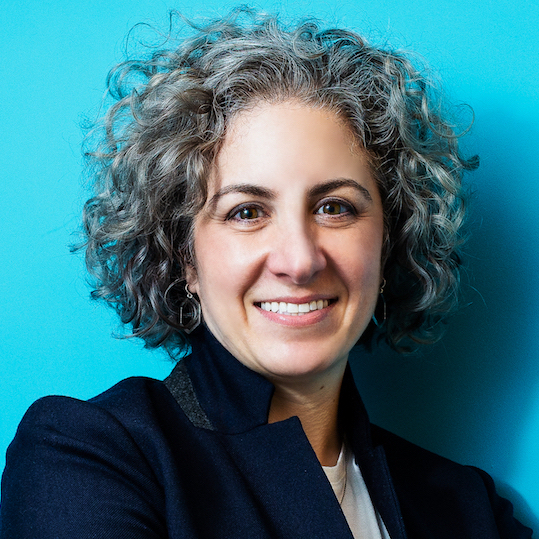
From Waiting to Winning: Conquering the Challenges of a Lengthy Sales Processes, with Kathy Almy
With Kathy Almy
Listen and subscribe
In this episode
Kathy Almy spent twenty years as a college math professor and now consults to colleges and states on fixing their math programs, because students leave college over that one requirement. When we met she was buying every course going and building products to sell to individuals. At one point she added up what she'd spent and it made her physically sick. Her real audience turned out to be administrators, who were never going to buy a $97 course from anyone. So we get into what selling into a university involves, why the proposal is what works when she isn't in the room, and why her business is busy now because of work she did two years ago.
What you'll take away
- She added up what she'd spent on courses and felt physically ill. Several tens of thousands of dollars, and she knew she hadn't had anything like that much value out of it.
- Her audience was never teachers. She assumed it was, because she'd been one. It's administrators and policy people, and they don't want a course. They want somebody to come in and fix it.
- There's a point where a client stops wanting to learn the thing. Leah puts that threshold surprisingly low, somewhere around half a million in revenue, after which nobody wants to be taught.
- The proposal is what works when she isn't in the room. She makes it a PDF because she knows it gets forwarded, and people she'll never meet will read it and decide.
- Ignore anybody promising speed. Her words: it's bull, and they're selling you something. Her business is hopping now because of seeds she planted a couple of years back.
In this conversation
The full transcript, in sections. Open any one to read it.
"I planted so many seeds a couple of years ago"
0:00
What I think is so interesting is like, like, right now my business is hopping so much, but it's because I planted so many seeds a couple of years ago. They just take a long time to grow. And now it's like, holy cow, they they grown.
Welcome to the smart gets paid podcast with me. Leah niederthal, I help women land higher paying clients in their independent consulting businesses, but I've never been a salesperson. My background is in corporate marketing, and when I started my first consulting business, I learned pretty quickly that it's about 1000 times harder to sell your own stuff than it is to sell someone else's. So I taught myself how to do it, and I created the sales approach that I now share with my clients so they can feel more comfortable in the sales process. Get more of the right clients and get paid way more for every client contract. So whether your client contracts are $5,000 $100,000 or more, if you want to work with more of the clients you love, do more of the work you love, and get paid more than you ever thought you could then you're in the right place. Let's do it together. Thanks for tuning in, and don't forget to rate, review and share. Hey there, Leah here, and thanks for tuning in. I hope that wherever you're listening to this, wherever you are right now, you're having a good week, making some good progress on your business and taking some time for you. So like a lot of women out there, maybe you two, I always thought of myself as someone who was bad at math, like I don't remember who told me I was bad at math, or how I sort of started thinking I was bad at math, but I now know that that was a lie, because a few months ago, I was home visiting my parents in Nashville, Tennessee, where I'm from. And you know that thing where you have to clean out old boxes of all your stuff, you know, like, all the stuff that your parents kept because they love you, and now they want to get rid of, you know, stuff like drawings you did as a kid and sports medals and postcards and and now you have to go through all of it, right? So I had to do that. And in those boxes I found report cards, all my report cards, like every single report card I've ever gotten, going back to kindergarten. And I started looking through them, you know, like I'm curious, and you know what, I got pretty good grades in math. Like you would think somebody who's quote unquote bad at math, you know, that would be reflected in the grades, right? But no, I got pretty good grades. But despite that, still to this day, I have always thought of myself as, you know, quote unquote not good at math. And I think in that way that, you know, women are just told, or like, assumed to be not good at math, and I've just been carrying that around. But I think in my case, I confused having to work hard at math with not being good at math for years. If I felt like I wasn't good at something, I'd probably quit. Which, if that resonates with you and your experience, I go into that a whole lot more in the last episode, so check that out. But now I'm telling myself a new story. I'm not bad at math. I was probably never bad at math, but it's just an example of the power of the stories we tell ourselves, and for women, especially the stories we tell ourselves about math. And I was thinking about this, about math as I was prepping for my conversation with the woman you're going to hear from today, she's a former client of mine named Kathy Ali. Because Kathy runs a consulting business with a very math focused mission, which is she works with colleges and universities to improve their math programs so that more students pass math and can graduate college. Like, how cool is that? Right? I remember when Kathy and I first started working together a couple years ago, and when she told me what she did, I just I got chills, like I still get chills, because it's ultimately about helping more students graduate from college. I just love that mission. And I invited Kathy to come and talk about how she's grown her business, because in Kathy's business, she has two huge hurdles to overcome in getting new clients. First, she's selling into colleges and universities, which are notoriously difficult to sell into. They involve a lot of stakeholders in the decision process, a lot of people who are, you know, weighing in on or influencing the decision. And second, as a result of that, the sales process for a university or a college to actually say yes and work with her, that process is usually really long, but despite these major challenges, Kathy's built an amazing consulting business that's fulfilling and profitable. So in our conversation, you're going to hear Kathy talk about how she gets her clients some of the things she's tried that didn't work, what she was able to stop doing, and where she is now. So take a listen to my conversation with Kathy Ali, and at the end, I'll come back and share a lesson that you can apply to your business, and then hopefully someday soon, you'll partner with us to help you build your consulting business, and you'll come back on the podcast and share your story. Enjoy. So you might have noticed that with the economy being as it is, things feel a little shaky. Referrals are slowing down, budgets are getting cut, and clients who you thought would say yes, are saying no or not right now. And here's the thing, in this economy, you can't run your business by waiting for referrals, clients just aren't going to swim into your net. You have to be intentional. That's why the best way to protect your business today and for the future is to have the two systems that every consulting business needs, a marketing system to bring the right clients to you and fill your pipeline, and a sales system to help clients say yes and get you paid more. But it's not just about getting clients. It's about security and stability and making your business sustainable no matter what's happening out there, smart women are doing this right now, even in this economy, they're winning their biggest contracts, filling their pipelines, and their businesses are growing, which lets them do things like build up six months of family savings a lot sooner than they had planned. Or go from having one to two months of revenue booked to having eight to 10 months of revenue booked, or getting to the place where you're able to pick and choose your clients and say no to the ones that aren't perfect. These are real results from women in the academy, because this is what we do inside the Academy. We help you build the marketing and sales systems that make your business and your revenue more stable, more secure and more sustainable. So if you've been in business for at least two years, if you made at least 120k last year, and if you want your business to feel secure no matter what's happening in the economy, join us. Apply today. It's markets pay comm slash Academy. We get started on Monday, February 9, because you can't control the economy, but you can control what you do about it. Kathy, I'm so excited to have you here. Thanks so much for being here. I'm so excited to be here. Well, so Kathy, let's just dive in. Tell the good people who you are and what you do. Okay, so I've
Twenty years teaching college math, then out on her own
7:03
been in education for 25 years, 20 years as a college math professor, always involved in math reform. How can we make it better for students and everybody else? And I've I've worked at the state level as an administrator, written a textbook, done all kinds of stuff, and I finally, four years ago, went out on my own as the consultant that works with colleges and sometimes states on improving their college math programs. I love it.
And I remember when you and I first worked together, and you were telling me about your work, I just was so interested in, you know, the work that you do has so many benefits. Can you talk about it? Like, why math and and you know why now
I am so there's a reason why I've been in in reform for 15 years, and I've done so many things with it. My husband's like, you have no work life balance. And I'm like, I'm aware of that, but it's because I'm so passionate about it. You have students who absolutely will end up leaving college because they have a bad experience with math. They think if they can't pass their math course, well, they're never going to get this out of this requirement, out of the way, so why even try with the rest of college? And it's funny, because students don't necessarily equate their worth with other subjects as much, but they do with math. And I don't want someone to leave college because of that. There's so many people have so much to offer and can absolutely get a college degree, if we just, for one thing, get our requirements in this millennium, our requirements are outdated in a lot of places, so a lot of schools and states are making changes with that, but also, like there's all kinds of things that we're updating that We're realizing that didn't work, and it and it will help students get a math credit for real, not just making them feel good, but for real, more quickly, so you can get on to getting a job.
That's so awesome. So when you when your work is successful, what kind of things do you see when it's successful? Like so
I always, I always feel like I get grades from my clients. So at the at the beginning of each semester, we get data from the previous semester. So it's so cool seeing, you know, students who are passing courses and being able to skip sometimes a semester, sometimes a year. So they're saving money, they're saving time, and, oh, by the way, they're getting through their college math. And a lot of them, they they only have one course they have to take, and then they're done. It's like statistics that they just take their course and, and it's instant. It's not a trivial course, but many students can pass statistics if, if it's done right. And that's what we that's what we work on. How do we make this course work for students? And so it's just, it's so cool. It's like, we have all these students now, and they're getting their math credits done and and they're staying that's another thing too, which reminds me of that was one thing I've noticed with business. Students are to these colleges like clients are, to me, it's like, you want to keep them happy and keep them and you don't want to have to constantly be getting new all the time. It's much more financially beneficial to a college to retain students than constantly have to get more new students, even though they have to do, yeah,
totally, yes. Well, so, and what a cool kind of segue into the business, right? And so I think one I was wondering, like, how to structure this, because I'm probably going to be all over the map, but let's but let's start now and then go back. So you've been in business for four years. Tell us how the business is going now, and then we'll sort of go back, and I want to walk through how you got here. Now. It is
"It is gangbusters"
10:34
gangbusters, and it's awesome. I'm working with so many colleges. I am completely booked out, and I have lots of groups where I'm working with, like several colleges at once. It's wonderful. I mean, it's a good problem to have. And, you know, I'm going to hit our monetary goals, which is, you know, it's funny, I'm not, I'm not into the whole seven figures. I want to have a decent salary with my employees to feel good about what they do and feel compensated, and I want our clients to feel good about what they're paying and not feel like it's absorbent and and that they're getting a lot of value, and we have that right now. So it's it's a really good place to be.
And how many employees do you have? I have a very
small team. I think I have five on my internal team that help with like operations and things behind the scenes. And then there's a variety of faculty and administrators that I contract throughout the US to provide additional client help. And actually, that's the next thing I'm gonna be branching out into, because I am at capacity, I'm gonna be hiring more people to help me be able to deliver more to
to schools. Yeah, oh, that's awesome. Well, you know, I think what you said is important around, you know, have a good life, have a good salary, whatever. I mean, so where you've gotten the business now? What? What does that allow you to do? What? What does that allow you to do that maybe you couldn't do in year one of your business
this year, I mean, I've been giving it's funny, I think, and maybe I'm doing it wrong, because I think especially in higher education, people think that consultants are like raking it in, you know, hand over fist, my first goals are make sure all of we have no debt, make sure everything's paid, that we have profit and that all of my team is paid. I'm giving myself a raise every year. But, you know, it's things like I took off yesterday. I can actually take a day off next week. I have I'm going to spring break baseball in Florida. Excuse me, in Arizona to see the Cubs. You know, things like that. Having some flexibility with my schedule is really nice.
Yeah, absolutely so. So that's where you are. Now, let's talk about how you got here. So what was going on in in the business when you and I came into each other's lives?
Totalling up what she'd spent on courses
12:54
Okay, so I am I'm an academic. I love to learn. I am happiest when I am learning, and who I was, I trying to learn everything. So I had bought, like, every course, all the big names, I mean, big stuff, small stuff, expensive stuff. At one point I totaled up how much I spent on courses, and it made me, like, physically sick, because I was like, I know that I did not get that much value. It was several 10s of 1000s of dollars, and it was just depressing to see that. I wanted to learn everything. So I'm taking all this in, and I'm thinking, this is the best I used to think there was a thing as passive income. There isn't that is sexual but I thought that was a thing, aha. And I used to think it would be easier to sell less expensive things. That's not true. I thought you can make things up in volume. That's really hard to do. So I when I found you, I was very much in the realm of trying to I was taking courses and trying to make things like courses and products to sell to individuals like at one point, I was trying to sell to teachers, so a person like me, as opposed to a school or a nonprofit, and so we, like, really dug in as a company. I contracted a lot of people, and we did tons and tons of courses. So I thought, I'm going to have courses. I'm going to have a membership. No, none of that, none of that, took off. And that just does not work. Where my bread and butter is is consulting.
Why do you think it didn't work to to solve this problem using the courses?
Her audience was never teachers
14:32
Oh, for so many reasons. I mean my audience, they first off just learning who my audience was. Like I thought my audience was teachers, because I wanted to benefit teachers and because I was one, but it's it's not my audience is actually administrators and policy people and people who run agencies, those are who I should be targeting, and they're not sitting on Facebook and you're not selling them a $97 course like that just isn't what they want and need, and when they see. That they're like, what's that going to MD? They they don't put any value in that. They're used to someone who has expertise, and I have a ton of expertise, but they want that. They want the attention and the expertise and the time for you to come in and specifically help their institution. They're not looking for anything in mass. They don't want to be one of many. They want to be your client who gets tons of attention and rightfully
so, right? I think you know, what we see is that there, there is a point in any business organization whatever, where the client stops wanting to learn how to do something, and wants somebody to do the thing correct? And that number is very low. It's like, around, you know, $500,000 and so then you look at, because, if you're making, you know, in the case of a business, 510, 100 million or an organization, right? You don't, nobody wants to take a course to learn the thing that you want to teach them.
No, they want me to come in and do it. They want me to come in and solve a problem and or empower their people. So like one of the things I'm trying to always do is I know at some point I'm going to leave. I know that I'm not going to be with them forever, and my goal is not to be with them forever. And I always say that I'm not looking for a salary position. I want to get you to where you need to be and get on my way. So I need them to be able to be successful without me. So it's help them get the help they whatever they need, which is, usually, I feel like I do therapy for schools. It's like trying to get everybody to get along and get on the same page. Who, you know, there's so many people at, you know, colleges, and that's thing. I don't just work with one person. I work with teams of people, and they're they're all busy, and they all have other things that they're doing, and we're trying to get them on the same page, so I help them, but then also have to give them the tools so that they can do this after I leave.
Yeah, well, and you just said two things that I think are really interesting. The first is, you're selling into the universities, right? And, you know, conventional wisdom says, and a lot of people have find that selling into universities is that is one of the hardest sales. And so that's one thing, and then you're selling into teams. You're selling into groups of people, groups of decision makers, which is, you know, again, very common, but makes the sales process harder when you're selling into companies, organizations, as opposed to like somebody who can spend $99 on their credit card. So but those two things combined talk to me about how the sales process, what does that look like?
What selling into a university turned out to be
17:34
The sales process is so different than what I originally thought it was going to be like. Again, I was so indoctrinated into this selling online courses model and all of it. And so it's like, it's not about, like, having a glossy sales page and a Payment button and like, that's not what I and Facebook ads. That was a colossal waste of money. I did. I think I did ads on every platform I was on. That was another thing. I was on way too many platforms. I think I was on four platforms at one time. It was probably more than that, but at least four, and it's like no, none of that. That's not what mine's about. Mine is about developing relationships, showing you're credible, being able to show evidence of what you've done. A big thing is, I want schools to feel comfortable and confident that they know that. Because especially in my situation, I'm coming in when they're making a change, not everybody wants to change. So you The goal is not to come in and stir up problems. I'm not trying to make things worse. The goal is to come out on the other side and it's better. They don't want someone who's going to come in and make, you know, blow things up and make it more difficult. So it's all about relationships, and it takes a long time, which is why, like, for me, the best thing that I can do like, the quickest thing that I can ever do to make a sale is to do a presentation or talk or something. When someone has a chance to see me in action, see they can see how I work with people, but also my content knowledge that is the fastest. But still, when I say quote, unquote fast, it's still months. I mean, it's not like that. So I'm always thinking of like I have a whiteboard in my office. I always have it mapped out and thinking, okay, when is this client going to be done? Do I have anybody in my pipeline? You know where? You know, where are we? Because my clients will stay with me two years, sometimes more, but it's, it's a long process to buy and but the beauty is, they stay with me.
Yeah, a while. That's amazing well, and I think the the long process to buy is something that not a lot of people understand about selling into organizations or companies. Because, you know what I say all the time is, like the typical B to B sales process can last anywhere from three to 18 months. That's a long time. You know, there are you could be talking to somebody for over a year and they finally say yes. So I mean, even when you say the fastest way for me to make a sale is to do a talk that. Of that presentation is maybe where the sales process begins, right? Because I know you're not selling from the stage, right, and not that anybody Well, right? And also, in our world, that's not how people even buy, right? So, so that's where the sales process begins totally. That's where
that was actually at a conference recently, had a great chance to talk with people, get to know them. I did get one lead from the conference. But how that will work now is that person will have to go back and start advocating, and there will be so many conversations that I know nothing about, and then at some point I may hear from them, and I may not, it may not be the right time. That's a big thing too. It's like, when is it the right time in the budget cycle, in their culture and other things they're doing, you know? When does it make sense? What I think is so interesting is like, like, right now my business is hopping so much, but it's because I planted so many seeds a couple of years ago. They just take a long time to grow. And now it's like, holy cow, they've grown. And what's cool is those seeds have grown. Plus I'm I've got happy clients that are staying. So it's a good problem to have. I'm busy. I like that.
The selling that happens when you're not there
21:10
Yeah, totally. Well, you said a couple things. I just want to pull out here, because, you know, all those conversations that happen inside the organization, right? That that you don't you're not privy to. The truth of selling into companies is that 90% of selling happens when you're not there. And so, you know, it's really important to help people sell in on your behalf, right? What we call navigating the jungle, because there are people and conversations and existing processes, and, you know, things that are happening that that you you'll never know about, but you have to enable those to happen, right?
And I usually get called like, it's funny, and I will have multiple sales conversations, you know, it will be at some point with whoever was the initial contact, and then it'll be, usually someone above them, someone below them, someone in all different levels. It's like, it's not, does the money exist? It's funny. That's not usually the issue, because I, I'm I've learned price points of what and that boy that took forever to learn, but I've learned price points of what schools can afford, what they can budget for, how they can get approval through procurement and all of that. It's do they have the humans on board with bringing someone in from the outside, and that takes a lot of conversation and trust building and just getting people comfortable. And so my goal is, come in, be authentic, have conversations with these people, and see if we're a fit for each other, and if and if I can help them, and it's not always a fit, and that's okay, and I'm I think that's the thing that's cool. The longer I do this, I can really look more at institutions and like, is this a fit? Like, am I going to be able to give you what you need? So that's what's nice. I always thought before, they're interviewing me, but now I'm actually, in some ways, interviewing them, you know, do I want to do I want to work with them as well, well.
And I think that that's such a good perspective. Am I interviewing them? You know? Because I think sometimes, for a lot of women I work with, you do feel like you're being judged, you're you're being interviewed, you're being evaluated, and you're the one who has to sort of ask for the business or whatever. But when you, when you come in as an expert, when you've established yourself as an expert, and you have these conversations and and you know who you can help and you who you can't, then it's, it's it's not like the tables are turned. I don't want to put it like that, but it's like we're now, we're coming in at at an equal level, and I'm evaluating you just as much as you're evaluating me, right? And, and, you know, what really helps that is a full pipeline. Because if you don't have anything in your pipeline, you know you're going to want to, or need to take whatever you can get. But when you have a full pipeline, you can actually look at, okay, can I help this company be successful, right?
Absolutely. Yeah. So, I mean, I, you know, I'm sure different points. I think everybody goes through this when they're starting their business, like, you know, you just want to take on anything you can get, and so you end up taking projects that really aren't ideal. So it's nice to finally get to the point where I have, you know, I've got plenty of business, I've got leads. I don't feel that sense of pressure, which is, it's where, it's like dating, it's like, when you're not looking, that's when things come around. I feel like that is exactly the same way it is with building relationships that might become, you know, business relationships. And I just learned you're always being evaluated, and you never know who is connected with who or what is going to come from something. And it's so funny, how many times I'll think, oh, this will lead you. I remember leaving meetings being like, Oh, this is going to be a client. Nothing came of that, and having other meetings where I was like, Oh, that was a nice conversation, and I ended up they hired me. It's just it's never where you expect. And I just think that. That's the interesting part of it.
Totally well, and it's such a, such a acknowledgement, that you have to do more biz dev than you think, right? Oh my gosh, yes. You can't have one conversation and that will turn into one client, right?
It's yeah, and I don't it's funny. I had to do like, like, cold emailing when I first started, which I loathe. I can't stand doing things like that. I do not have to do I don't do it anymore. I mean, maybe I could, but I choose not to. What I like is like, LinkedIn is my platform. I love it. I love the tone of it. I love that. You know, people really don't bring much of their personal life there, a little bit, but it's just, I mean, everybody knows it's all, it's all connected to your livelihood. So people are on their best behavior. It's not like Facebook or Twitter or something. So it's just very civil, and it's a great way to get my potential client, to get them to see how I work. And I do every once in a while, I will say, Hey, this is the thing that we do with colleges, and let me know if you're interested, but most of the time, it's just posting on things to give them value. Let them see my expertise, let them see how I work and my philosophy and that I do know how to work with all these different groups. Because it's funny, my background being faculty, sometimes schools get nervous. They're like, Oh, she's just going to come in and my faculty, and they're going to love that, and then we're not gonna end up doing anything that the college really needs us to do. And then I'll have the opposite. They'll come in and they're gonna be like, Oh, are my faculty gonna get along with her? And it's like, yes, it's like, I know how to get along with all these different groups, but I want them to know that, that it's like, I that's the cool part of what I do. I don't come in with a dog in the fight.
And so what I hear you saying is, like you're using LinkedIn. Well, first of all, LinkedIn is exactly where you should be, and where nearly everybody who's listening to this should be, because that's where the businesses are, that's where the that's where the universities are, etc, but you're using that as a platform to give people a glimpse of how you think, right exactly, and when you do that, you're building trust. I mean, you mentioned, I'm just looking at my notes from from our our prep call on this. But you know, you mentioned that when people get on the phone with you now, or they they have that first meeting with you now, they it's almost like they know they know you. Yeah, I
mean, it's funny, because I've actually debated so many times about doing a podcast, because I thought, if I have this much, if people get to know me through a talk or through a post, but I just cannot. I mean, I commend you, Leah, that you do this, because I'm like, I just cannot take on that as a marketing tool. But I'm like, that's one thing that is nice. The more that people can see you in action, they get to know you, and they get more comfortable with how you do things. And I'm not for everybody, and that's okay as a people pleaser. That's hard for me to say, but it's like, that's the beautiful thing. You know, they will, they will see like, I'm not going to come into a school and be like, This is how you do things. I'm going to come into a school and I'm going to work with them, and we're going to evaluate and I'm going to be like, these are the things I think you should consider doing, and we're going to try to make this work for you. Yeah.
And you can, you know, when you're posting on LinkedIn consistently, you have the opportunity to, to give a glimpse into that, you know. And I will say, you know, listen, I love doing the podcast. It's like my favorite thing I do now. But I, I built my whole business for years with just LinkedIn, with just showing up on LinkedIn. But the point is, right, that you have to give people a glimpse into something, into how you think, right? Because, you know, because what you're describing is this, like education process that people are going on to get familiar with you get, you know, see how you think, see how you you know, work, etc. And that's part of every sales process, right? They're going on, they're doing some type of education, you know, I think the study, I think the statistic, is like anywhere from two thirds to 90% of the education happens before they get on the phone, right? And and they're and they're doing that with you or without you. And so I'd rather have them do it with you exactly, and give them and give them something to learn, get something to learn about you. Yeah, and it's funny.
I did have someone it was funny, who went through one of your programs, there's a contact that I made. She's like, you've got to start just being more yourself. Say what you really think in your LinkedIn posts. Because I for the longest time, I was very like I want to say, I want to say the wrong thing. I don't want to offend anybody. It's not that I do that. I don't offend people. I don't think but I am more direct about things, and those are always the posts that take off, which just kills me, because that's what people want. People want authenticity. So that's one thing I would encourage anybody's listening to this be your true, authentic self on LinkedIn. And of course, that's going to call some people in and some people aren't, but that's okay. They weren't meant to. I mean, I don't want to work with everyone. I mean, that's not the goal here. It's to find the people that I know that I can help, and to build that relationship and go to work with them
absolutely, absolutely well. So what would you say? Ben. And some results that you've seen from
our work together. Oh my gosh. So much that it's here's one thing I would tell people too, because I'm thinking, I love listening to podcasts. I'm always trying to glean something that I can use like right away. And if you're listening to this, I think the main thing, which I am not, which you have to be, is patient. And that was i i I found you when I was looking for I wanted people that helps consultants specifically, like, I'm not a coach, I'm not like any of that. I'm a consultant. That's what I do. I want someone that helps consultants, and I wanted someone to help me figure out LinkedIn, because I did not know that platform at all, and I learned so much from you. But I went through that program and I learned everything very quickly, and put it into place and started practicing. Started practicing. But it takes time for people to see you, and I guess the algorithm to learn who you are. And I just feel like anything that people try to do, that tries to hack it does not work. Do not try to hack the algorithm. Just post authentically, make authentic connections with people. Keep showing up. Just keep doing it. And it does take time, but it absolutely now, LinkedIn is a major marketing tool for us. I have ROI on that. I've received multiple contracts meeting people through through LinkedIn, and then just other like connections that I've made through it that have led to other things. So it's super valuable.
And have you, are you still doing other platforms, or you're focusing on LinkedIn?
No, I use Facebook for personal stuff, Instagram to see what all my reality TV show people that I watch, what they're up to, and that's it. And I use LinkedIn.
I love it. I love it. What would you say are kind of two or three of the things that you learned that made the biggest difference for you?
The proposal that gets forwarded on
31:47
Well, what is that whole idea of the a lot of the selling happens when you're not in the room. So what people have to work off of when they have to go sell on your behalf really matters. So your I still use with every school that I work with, or or entity that I work with, is your proposal. So the idea of laying out, this is what I'm seeing that's going on. This is the value I'm going to bring, like, just laying it out very cleanly, but giving them all the information they need. That document, you know, I make a PDF of it, give it to them. I know that's going to get forwarded on, and there's going to be multiple people are going to see that that is, it's really important that you have something that can work on your behalf. So that was a big one. It's funny, this sounds like a little one, but I'll just, I'll never forget this at some point I learned from you book a call when you're on a call. I have learned that is so key, because the people that we work with are busy. These are, you know, Vice President C suite. These are, these are high level people at their institutions or organizations, and they don't have time, you know. So it's like, when I'm with them, I want to make the most out of my time, give them high quality and figure out when we're going to be talking next. And I like to have no more meetings that are necessary, like, what do we need to accomplish? What we're going to do? No fluff. I'm really big on that,
yeah, but I love that. I mean, it's such a powerful technique. I mean, I learned that the book a call when you're on a call. I learned that from another coach, but it's one of the things that you know, as I, as I formulated this methodology, I found it to be really, really powerful, really easy to implement, and I mean, critical in the sales process, when you're selling into really anybody, but especially multiple decision makers with a long sales process. Absolutely, is there anything else that you think made the biggest difference? Or how did it allow you to to approach this differently.
Painkillers, not vitamins
33:42
Okay, so a couple of things. There's and again, you know, I, I learned this from you. It's just awesome advice. One thing is, I really focus on solving problems that are true. Pain points, not nice to haves, but need to have. So painkillers, not vitamins. That is so essential if you want someone because it's funny, because people will be like, well, a college has so much money now, they have a budget, and all that money is accounted for, and they have a budget cycle, and they've got plenty of other things that they need to spend it on. It's not like they're just doling out dollar bills. So it's like you've got to be able to argue that you're going to do something that is a problem for them now, and that you're going to benefit them in monetarily too, they're investing in you. I mean, yes, I do a lot with working with schools and cultures and how they communicate and get things done and decide things, but ultimately, too, we want it to benefit the bottom line, and it does. When we make these changes, they retain students, and that helps them fiscally. But you know, that's, that's a big one, is solving problems that actually are needs. Like, I don't, I know, a lot of people are into like, I want to, you know, be a coach or consultant and, you know, help someone feel better, or make this work a little bit better, or whatever. And what I've learned is you have to really nail down. You. What is the problem? What is it that you solve, and how do you solve it? And being able to articulate that is key messaging took me forever. Oh my gosh, that is so hard figure out. How do you articulate? I'm a talker, but just being able to articulate like what it is you do, and for whom and how you do it, that is really hard. I think the biggest thing that I stopped doing was stop with all of the B to C tactics and realize I'm B to B, I'm selling organizations. Yes, there's still people, yes, there's still emotion involved, but it's a process. It's a real process. And you and all the ads and clicks and all that, all that stuff. That stuff just does not work. It's a waste of my time and energy. It where I need to spend my time is building relationships and and building my skill set. That's the best thing I've realized. Is if I can get on LinkedIn and be consistent, build relationships with people and then really make my clients happy, they will talk on my behalf. And then, if you keep what you've got, and then they talk on your behalf, it's like, you get the whole flywheel effect going, and it took years to get to that point. I'm always afraid it's just going to stop. But it's like, it seems like, you know, they're happy, and I'm always trying to get better so that they will be happy.
Yeah, and I just want to touch on something you said about relationships, because, you know, a lot of people think, and I hear from a lot of women like Ali, all my clients come from relationships and that that is totally fine and good, and referrals and word of mouth are absolutely the best leads, right? But a lot of people think of relationships as the people that they know, the people they worked with, the people who knew them from before they started their business, what have you. And that's a pretty small set of people. I think one thing, you know, just sort of bringing it back to the LinkedIn piece, is what you're describing about, you know, showing up and and telling people how you how you think and how you work, and all of that when people read that and they follow along, that is a relationship. Yes, it is. That is some type of relationship. Now, you might not be aware of it because it happens on their side of the computer, but they are in a relationship with you, and it's, it's almost a way to scale the natural getting to know you process that might happen when you work with somebody for three years or whatever, but it's a way to build a relationship, right? And those are the relationships that pay off, that that that yield fruit, those are the seeds that you've planted, right?
Exactly, yeah, and that's totally what I mean. Like, I mean, it was funny, I could, I always worried when I first started, when I went out on my own, full time, and like, Well, how long is my network? How is, how long is that going to last in terms of, you know, there's, you know, there's only so many problems you can solve within the people that you know, and that people are willing to spend money. I knew that wasn't going to last forever. So it was always going to be, how am I going to get to the point where I'm meeting other people and building relationships with new people and and, you know, so that, that is why I like LinkedIn. It just gives you a natural place where topics come up that people are interested, that I'm interested in, and I can make a comment, we get into, starting having a conversation. Sometimes it goes nowhere. Sometimes they remember you, and they're like, Oh yeah, there was this person and such and such, and you get invited into a meeting months later. But it's, it's a it's a budding relationship, and that's where I'm like, I'm saying, plant seeds. You're always planting seeds, especially in my case. And maybe this is true for most consultants, but my audience are lurkers. They don't post a lot on LinkedIn, but they read a lot, and they're observing and taking it all in, but they don't post that much. So I just, I've learned to, like, don't worry if you don't get, you know, a bunch of comments back or something like that, doesn't mean anything. I'll have people to come back to me go, oh, I read everything you post. Like, really, I had no idea. So it's just like you have to have some faith in the process and keep going, because you are not going to get that immediate rush of, you know, approval and satisfaction and all that. It just, doesn't I just, or maybe it's just me, but that did not happen, no.
The lurkers
39:05
I mean, that's, it's really universal. I mean, you know, we and we love the lurkers. The if you're, if you're sort of hearing this word for the first time, lurkers are people who are just in read only mode, right? They just sort of scroll read that's most people, most of the time, right? And you know, if you post something and you get 1000 views, and you get 10 likes, right, that means that there are 990 people who saw your thing and did nothing, right, and they and so your client base is in that Lurker group, right? And so you don't post like you said. You don't post for the likes in the comments. You post for the lurkers because the lurkers are the ones who are following along. The lurkers are essentially getting themselves, what we call warmer right, going through that education process, learning about you. They're the ones telling their colleague or their friend or their boss or whatever. And. So, yeah, I mean, why do you do biz dev on LinkedIn? You don't do it to like, post once and get 50 clients. That's not how it works. You you plant seeds by posting for the lurkers.
Absolutely. And I think also you have to be in that spirit of, you know, we can't just go there thinking that that's going to be like, it's going to spit out clients. It's like you have to be always in the spirit of, what can I give? And know that some relationships are going to lead to nothing fiscal, which is fine. Sometimes it just may be someone who's a great someone you can talk to and get advice from. You can give them advice. And I do think it kind of it all comes around. I think if you put out you know, if you're helping people, you're putting stuff out there, eventually it'll come back.
Absolutely, we've sort of been touching on this along the way, but how has our work together affected your business,
definitely in a very beneficial a lot of different ways. And it was funny because, again, like, like LinkedIn, it wasn't something that was like immediate, but if I go back and look at like, what's the ROI on the money that I've spent for the education that I've received in spades. I mean, I've learned it's I definitely made it back many times over. And it's like, you know that I learned a lot of things from you, and met a lot of people, got techniques that helped my business, get clients, keep clients, help develop systems. There was just a lot of things that really benefited the business in many different ways. Awesome.
Well, that's so nice to hear. So we talked about some changes in the business. I'm also curious, what changes have you seen in yourself?
I think I have more confidence now when it comes to like just getting clients. I'm not as worried about that. I'm not I just do. I remember the first couple years, I was just always like, again, my whiteboard with my clients. I'm like, what happens when those contracts are over? Like, is something going to come after that? Like, I know that. I don't necessarily know what you're going to come from, but there's always going to be something, and that doesn't mean get cocky about it. It just means have confidence that just because you don't know where everything's going to come from doesn't mean it can't come together. And a client, you know, again, you can have someone who watches you for a year and all of a sudden emails you and like, I'd like to work with you. That's just the way the nature of this work is. So I've gotten more comfortable in just understanding, be patient and that will that will come in time. The other is, I'm so much more confident about what it is I do. I'm now really working on building out my intellectual property and much more in the way of tools and processes. And because I have so many clients and we're doing the same overall process. It's like, I want everything documented so that my team can work with me and we can make that process as good as possible, as pleasant, as quick and as simple as possible for me, but also for my clients. So those are the kinds of things, and it's really cool, because I think when I first started, it was like, I'm helping people based on my experience, and it's like now, it's like, no, I have methods. There are things that I do that I have developed over time where I understood, understand, but I think a lot of us, you have to be willing to try and fail, and be willing to step back and notice what's working, what's not. Any common themes you have amongst your clients. What are you continually doing with them? Is that something you could make into a process? I think you have to be very reflective. And I I've always been that way as a teacher, but it's really paid off with with business as well.
Yeah, it's so funny. I was, I shared a little like life hack with the members of the academy the other day, which is because a lot of consultants, kind of, like you said, they they start and or they run their whole business feeling like I'm just doing what I know how to do, right? I'm helping people, I'm solving problems. And they don't think of what they offer as something unique, necessarily, or or intellectual property or a method. And so I was like, hey, life hack, whatever folder you keep your client stuff in, rename that to you know your name or your business's names, IP, it will change how you think about what you do. Because if you can think about what you do as IP, you and not just like a special thing you know how to do. I'll just say that it just changes things you you approach it differently, and you can approach your business and your clients
From a pile of things she does to a method
44:30
differently, absolutely, because I want my what I was constantly been trying to figure out in just special in the last two years is okay, I'm getting results. These schools are things are better. They're better for them, okay, in what ways are they better? And what did I do to help get it that way? And what is, what am I consistently doing with people, like, really noticing those things and trying to solidify them, like, get that on paper or a document or something, so that it's not just like, well, you know, I do these different things. It's like, No, I now have a system. A method, and I love that. That increases my confidence.
And I love what you said about it's not a like a package or a, you know, a course or whatever. It's a method. And a method is provides some leeway, right? But it also provides some guidelines of how you work. And you know what you're saying about making it better, making it more effective, what? And documenting it, making it a process. When you do that, you can also make it more profitable, because you're not starting everything from scratch. You can find efficiencies. You can bring somebody into to operationalize parts of it, which, when we talk about profitability, meaning not just money, but time, it makes everything more profitable.
Absolutely, yeah, because where I'm going my next goal, and I don't think it'll happen this year. I'm definitely, I'm always bringing in additional consultants to help on more pieces, but I want to be able to scale even more. And I will need, and I want, we'll have to train people in my in the in the way that I do this. That's going to take time. I'm trying to finish my doctorate right now. So it's like, I'm just, I always push too hard. It's just like, Kathy, it'll come. I can. It doesn't have to be this year, but I want it. It's funny, the business is doing fine fiscally, but it's like, I can pay my bills and I can pay my team, and that makes me happy, and we have money in the bank. Boom, there, there we go. I'm, I'm happy with that, but I want to have more time freedom, and so that's, that's that's where I want to build up to, where I have more people that I am pulling in that can help me with delivery and still have a high level of quality assurance. So, you know, so it's profitability, yes, fiscally, but also time wise, absolutely.
What would you say to what advice you would you give to to a woman who's in the position that you were
"Ignore anyone who tells you it happens quickly"
46:43
back then a couple of things. First off, I know I've said this, but it's really important, because I'm watching so many people come into this world of trying to start their own business. Just ignore all the people that try to lead you to believe that anything happens in terms of building a business quickly. That is just bull, and they're trying to sell you something. All of this takes a lot of time, and it takes patience and a lot of failure. And I like I was listening to one of your podcasts the other day. I like what you said. It's it's not failure, it's learning, it's you doing the best with what you have at the time and making the best decisions you can. And no, not everything's going to happen positively, but make it a note, adjust and keep going. And that is part of it. It's, you know, you're going to create things that are absolutely you think will just be amazing. Nobody wants them, and then something that you just have, like, a side idea about where you want to walk for the dogs. It's like, Oh, what if we tried this? And then that will be the thing that people are, like, amazing that just changed our whole lives.
Hard relate there. I have created so many things that went nowhere. I was like, this is the best thing ever. This is going to do it. No, didn't happen. But, yeah, the smallest little idea that, like, germinates into a little thing become, I mean, you're, what you said, is perfect. I mean, it you never know what little teeny idea is going to take off. And there are little, teeny ideas I've had that have blown up into big things, absolutely.
And it's funny because they I read somewhere that there's research behind this, and they come in the shower, and that is classic, like, if I really need to figure something out, I'm like, Well, you take a shower. That's typically where great ideas come from, or going on a walk with the dogs or the husband, or whatever, that that will help. But that's one. There's a couple things I would give them advice on. That's one is to be patient about things, and you never know where what's going to be where you never know what's going to take off. And it's just it all takes time. Another one that I would say is focus on, yes, you need to get some money in the door so that you can keep your business afloat. But the main thing, I would say, is way more important is getting some clients and getting real success for them. The more that you can do that and really focus on like, if they have a good experience, they will tell other people. And so they will do they will help you in the business development side also, but watching them and having one really good case study is going to be so beneficial to building your business, you get it gives other people confidence in what you do. It gives you experience. You get to learn what works and what doesn't. So I would say, don't, you know, like me, I was always like, I need to get more and more and more and more clients. And I had clients, but like, just focus on the ones I have, as long as I could pay my bills and getting the best possible experience for them, and using that as a case study going forward. That is so valuable.
I love that. I love that. Is there anything else that you think other women, business owners, other women consultants, need to hear?
There aren't any magic bullets or shortcuts. And again, anybody who's trying to tell you there, there is, is selling you something. They're almost always selling you something. It's going to be challenging and it's going to take time, but that time is not wasted, and I think that's one of the biggest things, like all these, these things I learned, and these failures I have, and the failures I. Will have, because I know I'm going to have things going forward, like, right now, I think, Oh, this is going to rock and it won't. There'll be something that doesn't rock at all. But you learn so much from that. And I'm always telling my clients that too. You know you learn more from your failures than your successes. Sometimes, because your successes, you don't always know why, but your failures, you will find out, like, oh, like, this price point was too high. Like, I will tell one thing, if you're a consultant, please ignore all the advice that everybody is always just like, without even knowing anything about you or your audience, at a zero, there are times where that makes sense and there are times where I was way under charging. That makes sense. Think, Hmm, maybe I am under charging. Maybe that would make sense. But you can't go from like, a $50,000 package to 500,000 and just be like, well, if I think well enough about it, someone's going to buy it. That just does not work. That does not or at least it isn't in mine. It does not work in mine, and it's like, and one of the big things that I had to learn were, what are the magic price points that people are willing to spend feel good about, can get approval for, and will, especially get through procurement. That's a really big thing. Like a lot of times, institutions have their magic number of the amount that they can get, they can have a contract for that does not require, you know, a full, big process and lots and lots and lots of approvals. And it can vary. It's some organizations will be some profits will be $300,000 and for some schools it'll be $5,000 but if you can find some way, like, okay, what can I do within that? Get a success, get them to see how I work that can lead to so many more things. Don't always be thinking about like, well, this isn't the biggest contract ever. It takes time, absolutely.
I mean, I totally agree. I think that you it's a little bit of advance here, because I do you know, I see everybody under charging, right? But you can't just add a zero, and especially since you have to understand end to end, how you get a client, right? You certainly, you certainly can't add a zero if you're selling to teeny tiny clients who will never be able to afford it, you certainly will keep getting those teeny tiny clients if you if your messaging is a vitamin, right, not a painkiller, if you don't know how to do great discovery in the sales process, including asking about how the process works internally, right? If you you certainly can't sell in as bigger projects, if you don't know how to help your main contact sell in to the business, right, and go through procurement and all these things. And so even your pricing exists in the infrastructure, right, like in the system of of how you get clients.
So totally, there was the thing I forgot that I forgot that I wanted to mention. Yeah, here's one that I and I definitely I learned this from you, but I continue to learn this on and on the more I did it. I just used to think that a lead magnet is just any old freebie. And, you know, just make something free, and that will get somebody's email address, and then you can get them into your pipeline. And it's like, no, no, no, no, no. You got to be very intentional about what you have. And I finally made a lead magnet that works for administrators, because it directly helps them solve a problem, see what what it was is. It helped them see their issues in the way that I look at them when I'm working with the school. And it was something they could complete on their own. And then I made it free. If you want me to look at it, I will. It's just, it's an assessment. And I wanted to get, like, really slick with like, I'm gonna have this quiz, I'm gonna have all these funnels. It's like, no, no, just no. Just keep it simple and make it something that's free, that gives a chance for your your potential audience, to see how you work. And it can naturally lead into something that you can help them do. It shouldn't just be, here's something free. It actually should lead into, naturally, your offer in some way, or tangentially relate to it in some way, that you can help
them absolutely. And I will, I will add, I think the biggest problem with a lot of lead magnets I see is they're not speaking to anybody. No, they're because, because a whole other role of a lead magnet is to help the right people raise their hand to solve the problem that you solve. Correct, right? So, yeah, yeah, it's there. Do you really design it for that? Was there anything else that you picked up along the way that, you know, I've been thinking recently about things that are big lessons I've learned and also small lessons from the various people in my life. Is there anything else you picked up along the way that you're like, oh, wow, I carried that with me.
Yes. Okay, so one that that I've realized, and it's funny because, again, you know, I said I felt like I spent a lot of money on programs, some of them were wonderful and some of them were crap. And, you know, did I waste money? But I will tell you this, it's like, again, even things that aren't successful, you learn things. So I learned about customer service and how I don't want to treat my clients in different things, what and what I love is learning how, like, people manage and how they actually work with groups of people. So like, with yours, I learned how to have like, an accountability. Call, like, how, in one of the programs that I was in, I think it was pack your pipeline, because I know it's also unsigned, but I think was pack your pipeline. We had a regular accountability call where we would come in, we had a live Google sheet that we would complete, and you knew that you were going to have to report on something, and then, you know, and like, you're going to have to, like, say, this is what I'm doing. It wasn't just come and listen and be passive and get information. It was something that kept me accountable, that has stuck with me. I use that consistently with clients, and they love it, because we're on zoom all the time, and so it's like it's a way to get the colleges, they can participate, we can talk, and it allows me to make accountability just something that's more tangible. And what's really cool is then you end up with a document that they can share, I can share, and it's like, Oh, what did we talk about last time? And I just remember going through a meeting when I saw you start using that was like, oh, that's super helpful, and it really helped me as a client. So I would say, you know, like, there was all kinds of little things I learned like that. One thing, another thing I learned from you that I really like, that I'm building up to now, not there yet, is having a platform where I can have videos that I consistently like. There's things I teach clients. I want to have that as a video, and not always teach it live or teach it live, and also just have a recording, but I want to have a video with assets in one place, regardless of how intensive the support is or not, just so that it's such a nice library for my clients as we're going through the process, it's like, here are the handouts, here are the tools that we use. Here's a video. Things like that just made it so much easier for me, and so I'm trying to do that for my clients as well.
Oh, I love that. I love that you you know you're taking these it's really funny, because the stuff that you've been you're talking about, you know how you were doing all these courses, because there are things about how to run a program that you can leverage for consulting, right, even if you're not solving the problem with your clients by sending them a
program, right? Honestly, it's funny. I did not think it was possible to work with more than one college at once, and I was getting really freaked out, like, how am I ever going to be able to I was getting I was hitting a cap on my income, and then I was getting worried about paying the team and everything else. And I was like, oh, I need to find a way to work with more than one school at a time. And I'm like, what they're all in different places? How could that be? And I'm like, think about all these programs I'm in. We're all at different places with our businesses. You know, I'm with someone in a business. Someone will be a million dollars. I'm nowhere near that. But, you know, it's like, you know, I have a six figure business. I'm proud of that, but it's like, I'm not, I'm not seven figures. Doesn't matter. There are things that that person can get and that I can get and that we can both learn from. And I was like, oh, so what do they do to make it so that people at different levels can still get something out of it? And that led me to a whole new offer, and now I can work with a group of colleges at once, and they get more out of it because they get to hear from each other and talk to each other and problem solve and crowdsource information. So it's like, it is interesting. I'm like, there's been a lot of things I didn't expect to learn through these programs that I have learned that's great.
Well, I'm so glad that you know the way I've done some things, maybe I've done some things right. And you're you're able to integrate that into how you do things. Kathy, how can people find you?
LinkedIn, so if you look up Kathleen Ali, it's a l, m, y, not the makeup, so there's no extra a in there. If you look me up on LinkedIn, I that's a great place to connect. I just love to, you know, build relationships. Like I said, You just never know what comes of something for them or for me, I love it.
Well. Thank you so much for being here. Thank you so much for sharing, and we'll be cheering you on. Oh, thank you so much. I love that conversation with Kathy, and I hope you did too. And if something that she said spoke to you, I hope you'll reach out to her on LinkedIn and let her know and thank her. And real quick in our conversation, Kathy mentioned lead magnets, right? That she changed how she thought about lead magnets, you know, like it's not just a pithy download. It really needs to speak to your ideal client and the pain points so that the right people raise their hand and download it. That's a huge realization and a huge shift in how she's attracting her ideal clients. And Kathy is generously offered to share that lead magnet with us. So if you're in the academy, you can check out her lead magnet and see exactly how she structured it and how she put it together. You can find it in the portal, in the lesson about creating a lead magnet with Sue Holloway, who's our copy coach in the academy, all right, so if you're in the academy, head to the portal and check out the lead magnet she mentioned here, so you can see it for yourself. So as always, there are so many threads that we can pull out here, and so many lessons that we can pull out, and one that's huge that I want to mention here, but, like, it's so big that I'm going to do a whole other episode on it is what Kathy was talking about around trying to use B to C strategies to get B to B clients. And just what an incredible. Whole waste of time and money that is, and I know what a waste it is, because that was one of the mistakes I made early on in my consulting business. I talked about that in episode 60, about the three biggest mistakes I made in my consulting business. But as much as I'd like to talk about that here, I'm prepping a whole other episode about it, where I'm going to break down what doesn't work to get B to B clients, what actually does work, and how to avoid falling into the same trap and wasting time and money on things that won't work. So you'll see that come out soon. But for now, I want to touch on something that Kathy said that's so important, and I didn't want you to miss it, because it's something that I want you and really everyone, to understand about running a B to B consulting business, and it's that getting B to B clients just takes time. If you've been listening to this podcast, you've heard me say that in consulting when you're selling B to B. So you know, selling your services into businesses and organizations, the typical B to B sales process can take anywhere from three to 18 months, and that's real, but that's just a part of it, that's what we would call the sales process, starting from the moment that they first reach out to you or get referred to you. You know, just what we would consider the beginning of an actual sales process. But what Kathy was talking about in planting seeds was the nurturing process, that process where people are learning about you, reading your stuff, understanding the problem you solve, that's what you would consider. You know the marketing, right? But what it is is planting seeds that eventually sprout, and that process, that nurturing process, can take months or years. The truth is that you can't just start doing the marketing and, like, start posting on LinkedIn or sending some emails, and clients will just fall out. It's not like a gumball machine where you, like, put in a quarter and clients come out. I know when I say it here, it sounds so obvious, and it is obvious. But despite knowing that it's not true, a lot of women out there maybe secretly hope it'll be true for them, and they definitely act like it should be true, like, for example, they start posting on LinkedIn, and then a few weeks later, wonder why they haven't gotten any clients. You have to plant seeds and plant seeds consistently, and they will grow. They will sprout. It's part of what we call the marketing flywheel, where you start to build momentum and things start to happen faster and with less effort, because you put in the work in the marketing consistently over time. Because when you do plant seeds and you've been showing up consistently and doing it effectively, and people do start to follow along and learn about you, it also means that by the time those seeds do sprout, by the time you know, somebody's ready to talk to you, clients are so much more familiar with what you do and the value you provide. They're basically already sold in you're like the obvious choice. You know, I have people reaching out to me today who say that they've been following me for years, and something finally, you know, got them to reach out. And it's the same thing with Kathy, and it's the same thing with everyone I work with. People reach out to them and they say, I've been following you for months. I've been following you for years. This happens as long as you've been planting seeds and you've been giving people something to learn about you and getting themselves what we call warmer so what do you do with all this? Well, first, just know, just be aware that the B to B education process and then the sales process, they're just long, but as you've seen with Kathy's business, you can absolutely be successful with a long sales process, as long as you start to plant seeds now and don't wait until you need clients. If you wait until you need clients, I hate to say it, but you're going to be kind of screwed, because again, in B to B, it's not like a gumball machine, you know, you don't put in a quarter and clients come out. So don't wait to start planting seeds. Start today and keep going so that when they sprout, you'll be ready. Hey, everything we're talking about in this episode is part of the system. Women like you are learning in the academy. In the Academy, we help women consultants install the two systems every B to B consultant needs a marketing system to consistently attract the right clients and a sales system to lead a sales process to a yes and get paid more for every contract. So even if you've only gotten clients through referrals or word of mouth in the academy, you'll learn how to attract and sign clients outside your network, how to lead a sales process with confidence and how to get paid for your value, not your time. And There's no cold calling or cold emailing involved no changing your services or making a course, and you won't use any pushy sales tactics. That's just not our vibe. So if you like what you've heard here, the academy may be your right next step to learn how you can get these two systems in your consulting business and make progress faster and with fewer roadblocks. Head to smart gets paid.com/academy Me and apply and we can chat about next steps. All right, see you over there. Transcribed by https://otter.ai
Two ways I can help you
When you're ready to break through to the next revenue level in your consulting business, here are two ways I can help you.
1Join The Academy
For women consultants who've been in business 2+ years and are making $120k+. Build the two systems every consulting business needs to get more of the right clients, get paid more, and build a sustainable business:
- A marketing system to bring the right clients to you and fill your pipeline
- A sales system to help clients say yes and get you paid more
If you're ready to make your business and revenue more stable, secure, and sustainable, visit the Academy page to learn more and apply.
2Get Roadmap to Clients
Map out a simple sales process for your consulting business in less than an hour. Take potential clients smoothly from first contact to a signed proposal, so you can stop reinventing the wheel with every opportunity.
Get the free video course.