Episode 73 · September 17, 2023
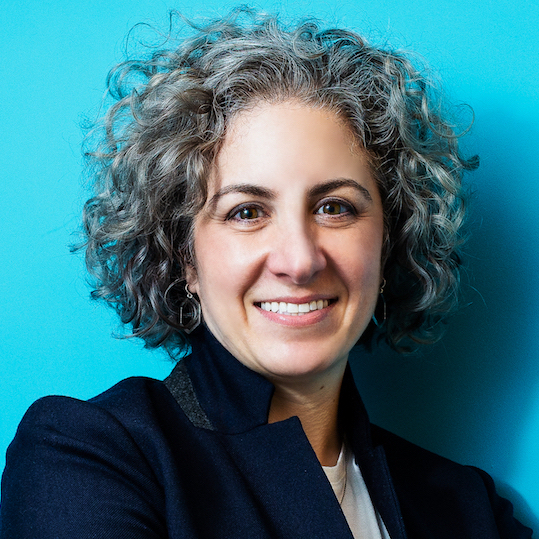
From Side Hustle To Far Exceeding Her Salary, With Alicia Johnson
With Alicia Johnson
Listen and subscribe
In this episode
I grew up in Nashville doing tornado drills. I still know to fill the bathtub, and to do the laundry first, because whatever else happens you're going to want clean underwear. Alicia Johnson helps communities prepare, respond and recover from disaster. She built the business inside the fifteen hours a week she got back when her commute disappeared in 2020. Her first contract was $12,000, and two years later she's tracking toward a number that starts with a five. She also tells the story of the 2017 Sonoma fires, which she worked on a midnight shift while pregnant without knowing it.
What you'll take away
- Her first contract was $12,000, as a sub. Year one was about $75,000 alongside her job. Year two was $200,000. This year she's tracking toward five or six hundred thousand.
- She made her entire Berkeley salary in the first two months of the year, having gone full time the previous November.
- "In my twenty years of experience, I've never seen that model work." Twenty people on the call, and she said it out loud. She wouldn't have said it as an employee at the same institution.
- The shoulder tap is the one she credits first. Not selling. Asking people what they're working on. Some of them took a full year to turn into anything.
- Most things people think take courage take money instead. Her version: get the support while you've still got income to pay for it, and build the runway on the side first.
In this conversation
The full transcript, in sections. Open any one to read it.
"The thing I knew I had the whole time and was afraid to own"
0:02
For once, I put trust in myself, in my capability, in my knowledge, the thing I knew I had the whole time and was totally afraid to own. I put my capacity in that, my trust in that, and it has repaid me tenfold.
Tornado drills in Nashville, and my mom's laundry hack
0:24
Welcome to the smart gets paid podcast with me. Leah niedersall, I help women land higher paying clients in their independent consulting businesses, but I've never been a salesperson. My background is in corporate marketing, and when I started my first consulting business, I learned pretty quickly that it's about 1000 times harder to sell your own stuff than it is to sell someone else's. So I taught myself how to do it, and I created the sales approach that I now share with my clients so they can feel more comfortable in the sales process. Get more of the right clients and get paid way more for every client contract. So whether your client contracts are $5,000 $100,000 or more if you want to work with more of the clients you love, do more of the work you love, and get paid more than you ever thought you could, then you're in the right place. Let's do it together. Thanks for tuning in, and don't forget to rate, review and share. Hey there, Leah here, and thanks for tuning in. I hope that wherever you're listening to this, wherever you are right now, you're having a great week, making some good progress on your business and taking some time for you. So I grew up in Nashville, Tennessee, and a few times every year we had some serious tornado warnings. I remember like my parents would just drill into our heads. You know what to do in the event of a tornado, like what to do in our house, and I can still picture the closet that served as our tornado shelter. It was this windowless closet in the center of the house, behind the front hall closet where we could all fit. And I always knew that we should have candles and flashlights and food and water on hand, and I knew that if a tornado was coming. I don't know if you know this, but if a tornado is coming, you're supposed to fill up your bathtub with water for whatever you need. It Right? Bathing, flushing the toilet, anything. Little secret. And I've also inherited my mom's tornado prep hack, which is, if a tornado is coming, do the laundry, because you never know if you're going to have electricity or water, and no matter what you're going to need clean underwear. So after 18 years of this preparation being drilled into my head, now as an adult, I know what to do in the event of at least a tornado or a hurricane. Now, of course, we're seeing natural disasters happening more often and with greater severity, and frankly, if you're like most of the people I talk to, you're like, mildly terrified all the time of what this means for our planet and our children. But as worried as I am, you know, as we all are, I sleep better knowing that there are women like my guests today who are working to help today, I'm talking to a client of mine named Alisha Johnson, who runs a consulting company for emergency management. Her clients are communities, city and state governments, major citywide events, and she helps those clients, in her words, prepare, respond and recover from disaster, and she's going to tell you a lot more about what that looks like. But in our conversation, you're going to hear her talk about how she even got into the field of emergency management. She's going to talk about the natural disaster that she survived, which helps her bring tremendous empathy to her work. You're going to hear her talk about the moment she knew she was finally owning her expertise in her business, and she'll share how she started her business and how it grew from just an idea, a side hustle, into vastly exceeding her last salary. And I've also asked her to share a few things that you can do, that we all can do to prepare, respond and recover from a disaster. So I am so excited to share this conversation with Ali SHA Johnson, so take a listen to my conversation with Ali SHA and at the end, I'll come back and share a lesson that you can apply to your business, and then hopefully, someday soon, you'll partner with us to help you build your consulting business, and you'll come back on the podcast and share your story. Enjoy. So you might have noticed that with the economy being as it is, things feel Ali shaky, referrals are slowing down. Budgets are getting cut, and clients who you thought would say yes, are saying no or not right now. And here's the thing, in this economy, you can't run your business by waiting for referrals. Clients just aren't going to swim into your net. You have to be intentional. That's why the best way to protect your business today and for the future is to have the two systems that every consulting business needs, a marketing system to bring the right clients to you and fill your pipeline, and a sales system to help clients say yes and get. You paid more. But it's not just about getting clients. It's about security and stability and making your business sustainable no matter what's happening out there, smart women are doing this right now, even in this economy, they're winning their biggest contracts, filling their pipelines, and their businesses are growing, which lets them do things like build up six months of family savings a lot sooner than they had planned. Or go from having one to two months of revenue booked to having eight to 10 months of revenue booked, or getting to the place where you're able to pick and choose your clients and say no to the ones that aren't perfect. These are real results from women in the academy, because this is what we do inside the Academy. We help you build the marketing and sales systems that make your business and your revenue more stable, more secure and more sustainable. So if you've been in business for at least two years, if you made at least 120k last year, and if you want your business to feel secure no matter what's happening in the economy, join us. Apply today. It's markets pay comm slash Academy. We get started on Monday, February 9, because you can't control the economy, but you can control what you do about it. Alisha, I'm so glad you're here. Thanks for being here.
"I help communities prepare, respond and recover from disaster"
6:14
Thank you for having me. Leah, it's a pleasure. So let's just dive right in. Why don't you tell the good people who you are and what you do Sure. My name is Ali SHA Johnson, and I'm the CEO of two linchpin road. I help communities prepare, respond and recover from disaster.
I love that, even just that, I love that, like tight painkiller statement, that's amazing. I know that's been the result of a lot of hard work. So say it again, just just so we hear it.
Yeah, I help communities prepare, respond and recover from disaster,
all right? And what do you mean by disaster? I know, but I want the people to hear what do you mean by disaster?
Yeah, disaster, it has a lot of definitions or a lot of connotations in our culture. So for me, disasters are hazards and threats. They're things that happen naturally in society, like wildfires, hurricanes, tornadoes, and then also human caused like Active Shooter and other types of events. You know, it's my job to help those communities prepare for those things and then respond as they're occurring, and bring seeds of recovery and resilience to their communities as they move forward in that process.
I remember, in talking to you early on, I just was so fascinated and impressed by this work, because talk about work that is so critical to the communities that are affected by all types of disasters. How did you get into
this work? By accident. I went to college undergrad in communications and political science. I focused specifically on how people communicate in groups and teams. And when I got out of school, it was a bad job year, and I didn't want to be a bank teller, and I went home to work for my parents as a pharmacy tech, and when I got there, I realized I can't work for my dad. I love him, but I couldn't work for him and live in their basement at the same time, and I didn't really know what to do. There was a job opening in the want ad, so this will tell you how long ago it was that was for a public information officer with a bunch of acronyms afterwards. And I was like, I don't know what those letters mean, but I can do public information work. I went to school. I'm going to apply. And to this day, the most difficult interview I've ever done, including five people, all experts in their field, writing a press release where the computer went up in a blue screen within like, five minutes left of my time, and then being on camera and having to explain what was happening in this scenario, really not even knowing enough about the scenario to, like, give really anything of intelligence. And afterwards, I remember walking up the ramp back to my car, because the office was in the basement, as all emergency management offices are, or almost all of them, and I remember thinking, Yes, I nailed it. And then I was like, Okay, I have no idea what the future will hold. So, yeah, just stepping into the field of emergency management was so unique as a person who had just graduated from college, I was incredibly rare in that field. And then adding in that I'm female, on top of that, was a really unique mix. Most of the people who work in emergency management are older male. It's a second career for them, and so this was a really interesting way for the community to go, and also for me as a young person coming in to really learn those skills from the ground up, and then now employ them as a consultant.
Yeah, wow. Well, and so in that work, what situations have you worked on, where you brought your skills to bear?
So probably. Really. I mean, one of the leading ones that I worked on relatively early in my career, was Hurricane Sandy, and I deployed to the New York City area to work a midnight shift for an EOC after the storm had hit. I stayed for six days in a nunnery, which we were very grateful that we weren't like camping out in a field somewhere, and we had power, and the nuns were amazing, and they took great care of us. And so having deployed from the west coast to the east coast was a big part of that, and just being able to be on the ground and understand what was happening. And then, you know, I worked in various wildfires. I worked the 2017, Sonoma County wildfire conflagration here, and, you know, help with planning initially and running evacuations, and then also help lead the initial parts of recovery for that particular team. And I've worked a lot of planned events as well. So I worked Super Bowl 50 when it came to the San Francisco Bay Area, which we don't think about as an emergency event, but it's an opportunity for a city to gather, and that, in itself, can lead to greater consequences. It's a target when you have that many people coming into town, or you have that many people gathering in your streets, and so being able to be prepared for any and all eventualities is a big part of that response. As consultant, I've worked with a lot of communities across the US to really build things like appropriate public information campaigns, how we talk about public preparedness and business preparedness in a way that isn't scary, but is effective and brings trust and connection into community. And then I've also worked with communities on like repairing their infrastructure after disaster, running through after action reports, building emergency operations plans, all that type of thing, you know, soup to nuts in terms of what that capacity looks like, but the response itself, it's left an indelible mark on my psyche and also on my resume, in terms of All the things that we've been able to do to to help communities really recover from, you know, all sorts of things.
Yeah, it's really, it's incredible, and I'm sure meaningful for you and for the the people that you're helping. So how did you start doing this work independently?
Fifteen hours a week back, and an idea
12:19
Yeah, during covid, I was the Director of Emergency Management for the University of California, Berkeley, and I had started that role before covid came to the United States, and I really loved working for an organization. I loved working for the university. And when covid happened and we had to shut down the campus, a lot of things changed, right? I got extra time in my schedule because I wasn't commuting every day. So I gained actually 15 hours a week from working from home.
You spent 15 hours commuting every week. That alone is like a part time job
during my commutes, I would consume amazing amounts of podcasts and books, like, really,
sure, yeah. And also, let's just add you do live in gorgeous wine country, so that is the reason for so
I live on commute like California, and it is beautiful and a lovely place to live, but it also requires a commute. And so when my commute went by the wayside because we were not in person on campus, I was kind of toying around with, what can I do with this extra time? And then it came out that because UC Berkeley is a state funded institution, that there may be a budget cut, and because the state is putting forward all this money to help with covid response, and that takes away from other parts of the state budget. So as that was coming out, I went to my director and said, I respect what's happening. I know we're doing great work here. I would really like to exercise my right for secondary employment. I just want to pursue this, since I have 15 extra hours. And then I went to my husband, and I said, hey, guess what? I have an idea, and I'd like to give it a shot. So I went to my friends, right? I did what you teach without even knowing it. I started shoulder tapping and saying, hey, you know, I have this level of background, you know, this is where I'm currently working, and I know you have a lot on your plate. How can I help you? What can I do? And within the first six months of that process, I was filling up my time, and I started kind of tinkering in my head with what would it look like if this was growing to a point where it could replace my income at UC Berkeley, and I read a couple books and got into Rachel Rogers, we should all be millionaires the club, which is very B to C oriented, and that that's where I heard about you was from. A club. And I was like, oh, Leah, is B to B? This is exactly what I need to be doing. Let's get into the program. And so I started to get into the program, and I never looked back. I literally was like, hmm. I went from what is 10 hours a week, look like, to what would happen if I, you know, moved this into a full time gig. And suffice to say, what went from like a huff in the wind part time just trying to mind the gap of possible curtailment, to can I replace my full time income, and then some it was, I want to say, a no brainer, but it took me 12 months to get to get to that point right where I was like, Okay, I'm going slow. I'm still trying to be sustainable. I want to make appropriate decisions. I don't even know if I want to run a business, because I grew up in a business family. My parents owned a retail store. I swore up and down as a child I would never own a business. Covid changed all of that for me. It's like, totally changed my life. It's changed the way I approach life. It's changed my workload. Even though it's difficult and there's, you know, a lot of like, building up that pipeline, getting all of that in there, it's still less stressful than the response and navigating the bureaucracy that really needs to be navigated to be successful at emergency management. So it's a better fit for me right now with where I am in my life. Yeah.
The first contract, and $12,000
16:28
Well, so Wow. So going from just an idea to cover the, you know, like you said, Mind the gap to running this actual business. Let's talk about, you know, that journey when you and I met, we talked about, you know, this together, and I am sort of looking at my notes here. But can we talk about numbers like, what was your first contract that you got?
My first contract was a sub, and it was for $12,000 I want to say, I remember I reached out to folks in, like, November, December of 20 and by the mid of January, 2021 someone came back to me and said, Hey, we got this contract. Your cut is 12 grand. Here's what I need you to do. And I was like, wow, that's what I needed to mind the gap. And then I actually found out I was good at it, and I really liked it, and it was something that totally appealed to me, and that's what made it easier. And then the contracts have progressively grown, and I have gone from sub to prime.
I want to just stop on that for a second, because you had had this whole career doing emergency response, but now starting your business, you were like, I'm actually good at this. Can you walk us through? Like, what's the disconnect? Because me sitting over here on my side, I'm like, of course you're good at it. You've been doing this the whole time, but I think that is something weird where you start your own thing. And some of that, maybe you don't have a big backer or whatever, you don't have a big name behind you, a lot of that confidence, just, I don't know, evaporate. So what was that like for you? It's a huge shift.
Because first I was like, Okay, I'm just going to help my friends out. And so, like, my friends might have, you know, okay, you need someone to just, like, facilitate a couple meetings or write a couple plans or, you know, like, whatever those small tasks look like, where you're like, I just need someone who knows what I know to do something while I'm over here running an operation that's ongoing for the unforeseeable future, right? Because in 2020, and 2021, we didn't know how long covid response would go, right? We weren't sure. And there was a lot of ups and downs and a lot of different waves and variants. And so it was like, I'll just be your go to, like, just hand something off to me. I'll make sure it happens and you pay me. And that was the initial component in my head. It was like, okay, just hours, right? Just time for money. I had a conversation with a life coach who I've never met before, and we were talking about it, and I said, this is what I'm doing. Here's what I'm making at my UC Berkeley job. Here's what I'm making at my consulting role. And she was like, Okay, how much time are you spending on your consulting? And I was like, Well, you know, about 12 hours a week. And over here at my UC Berkeley role, I'm doing 40 hours a week, 40 plus. And she was like, but you're making virtually the same amount of money? And was like, yeah. She's like, so why are you still doing this job and not this job? And I was like, health insurance? Like, I literally didn't have an answer, except that I was so scared of trying to do it on my own and really take this leap, and this was even after you and I had been working together. So I knew the shoulder tap strategy. I knew how to write a proposal that got funded. I knew that there was room for another consultant who approached it in the way that I did. Who held empathy in very high regard, who was really looking to build equitable plans and outreach with a community so that you could be resilient when shit hits the fan. So I knew that there was the gap that I could fill. I was just really afraid of stepping into the gap, because so incredibly unknown. I'd spent 20 years in government service. You don't sell in government service, you're sold to your benefits. Are taken care of, your retirement, your sick leave, your parental leave, your whatever you need. It's baked into your salary. And for somebody else, there's potential, but there's also this, like, this darkness, right? And this gap in terms of, like, wow, I see that I have the capacity to do this, but it's still freaking scary to step out and make that happen. And honestly, if it wasn't for the people I had surrounded myself with, for my family to sit there and say, Look, you got this, I know you will not fail. It's just not in your nature. And so keep going. And I think to have people see that in you before you see it yourself, that's the key to being able to take the leap off of the ledge. That actually may not have been that big of a leap, but you know, when you're the one leaping, it feels like quite a jump.
Yeah, it certainly feels like it well, so you did take the leap, you and bring us up to speed on how things are going right now.
$75,000, then $200,000, then a trajectory
21:34
Yeah, my first day as a full time consultant, I had one anchor client, and I spent November and December, reaching out to organizations, to people doing the RFP thing, all of that like just sort of getting a feel for what that looked like, and building up that pipeline. And then January came, and I had submitted a number of RFPs and also a number of proposals that were basically not unsolicited, but were private projects that we had worked together with, that we had worked up and and you know, were opportunities for us to work together exclusively, and have seen really great success with the proposal component, and to the point where now I am making what I made at Berkeley already, and we're March.
So in in the first three months of this year, you've made your previous salary
the first two months, first two months, so we don't know what's gonna happen, yeah, the first two months of this year, I have, you know, contracts in the pipeline. Obviously, it's not 30, but contracts that have been signed. Yeah, that's amazing, starting November 1 2022 that's when I went full time. And that year I so my first year, I think I totaled it out. First year was like around $75,000 side consulting. Second year was 200,000 and then this year is, I mean, if we are on a trajectory, we're talking five to 600,000 amazing, amazing. It's insane. I literally was like, I was doing the calculations last night, and I was thinking, God, could I make seven figures this year, I was like, actually maybe, like, I don't know. It's totally possible. It's probably not likely. But, you know, upper sixes is definitely a feasible option. How is that? I don't even know how that's feasibly possible. In my head, I can't wrap my head around it, and I
think it, you're right, it is totally possible. So remember when we had coffee and I was taking all those notes, because once you were telling me, sort of what was going on in the business, I was like, Oh my God, I need to write this down or forget. And you said, it feels like a fairy tale.
"In my twenty years of experience, I've never seen that work"
23:54
Yeah. Can you speak to that a little bit? It totally feels like a fairy tale, not in like Prince Charming came and saved me on a white night. But like this idea of like, for once, I put trust in myself, in my capability, in my knowledge, the thing I knew I had the whole time and was totally afraid to own. I put my capacity in that, my trust in that, and it has repaid me tenfold. And a really good example of that, the last meeting I had with a team at UC Berkeley, we were in a Zoom Room exactly like this one. There were probably 20 people on the screen, and they were saying something about redeveloping their operations center and how they wanted to move their policy group into the operations team, and, you know, they wanted to combine everyone so they were all together. And I said, you know, in my 20 years of experience, I have never seen that model be successful. That means. Administrators are in the weeds with your operation staff, instead of allowing your operation staff to actually do the thing they know to do, and allowing your administrators to make the policy decisions they need to make. And there was silence around the room, and someone then said, a woman actually. Then said, you have 20 years of experience. And I was like, yeah, yeah, I do. And then I was like, Okay, well, it's been a pleasure working with every single one of you. Thank you so much. So there was that moment of like, Yes, I have to own this. I have spent 20 years of my life responding to all the shit that humans and Mother Nature throw at us. I have that background, I have that level of empathy. I've worked disasters, I've survived disasters, and I want to step into that capacity like I want to embody what that is, and that's the purpose of running a firm, of being a CEO at two linchpin road. That's what this is. It's my embodiment of 20 years worth of experience. Oh, that's
so wonderful. And even that phrase, I hope that if you guys are listening to this rewind that write down that phrase, in my 20 years of experience, I have never seen that model work. What a perfectly just beautiful phrase in how do you respectfully disagree with somebody and step into that position
of expert, that expert role, that positioning. I should have taken that step when I first moved to campus, in an organization I didn't have the guts to do it, because I didn't have the ability to embody my own knowledge. So I think that was definitely a lesson that I learned from consulting on the side, was that I'm being paid to embody my knowledge and share that, and because I didn't do that in the roles I had as in house expertise, I really let I put myself at a disadvantage, and I think that was the other part of you know, as people who have worked in organizations step into a role like consultant, there's a high likelihood that what you say isn't necessarily going to be appreciated, and if it is, it's going to take a little while for it to sort of sink in, to be like, Oh, okay, yeah, we should be doing it this way. Thank you for letting us think about it. And that was one of those moments where I was like, Okay, we're not on the same page here. And if I were consulting with you, we would take a break, and I would come back to it in a week, and we'd revisit. But you know, when you're full time employee and you just gave your notice, that's not necessarily possible.
Wow, I just, I think there's so much that's bottled up in there, but I love the way it sounds like it felt, and the way it worked.
It was, it was the right decision at the right time.
Totally well. So what have been some results that you've seen from from our work together in the business?
Yeah, that you know, the the academy itself, the like the the teachings of the Academy are, in my opinion, totally priceless. I have seen that proposal template work time and time again, and more than paid for my investment in the academy year after year. And I've also seen the group of women who are in that in that squad, if you will, really shine, really step up to Yes, I'm going to help you. This doesn't make sense. This resonates with me. Here's where we are. You know, I just put a note in there about looking for some a very specific type of role. I have an RFP I want to bid on. I'm a subject matter expert in this particular area, but I don't have the knowledge I need to do a piece of the RFP. So I need a partner. And you know, the first place I went was I wonder if there's a person in the academy who has this capacity that I don't have, that we can partner together because we have a similar way of operating, we know exactly what we're going to get into, we are aware of that partnership together, and I think that is such a key component of that group. They're very like minded individuals, and we've all seen returns on the work that we've put in. We're there day in and day out, engaging with each other, really taking our work to the next level for our own firms and, you know, embodying the vision that we have for for work that we're doing. Yeah, I
always say our community is the best place on the internet. I mean, just incredible, incredible women who are, you know, running and growing a real business.
Is unafraid to share what that looks like, yes, not only the wins, but also the leg. This was some lesson I learned here that, you know, it was a rough lesson to learn. I'd like to share it with you, so you don't have to go through the same process again, right? So being able to have that kind of conversation with transparency and with clarity, I think, has been huge, especially as somebody who's walking in to a business without having ever run one before, and frankly, never working in the public sector or the private sector. Excuse me, only working in the public sector, never working in the private sector. You know, I don't know what it's like to run a firm, because I've never worked in one. I know what it's like to be on the other side, receiving those RFP proposals, and that's about all I know. So yeah, yeah, having that background is really, really valuable for me.
Yeah, I'm so glad. What would you say are a few things that you've learned in this process that have contributed to where you are today.
Shoulder taps that took a year to land
31:03
I think number one, the first thing that has contributed, you know, far and away over anything else, is the shoulders tap strategy, being able, you know, my initial gut reaction was to connect with my colleagues, to ask them if they needed help. And that has paid off, not just because now it's like, oh, I'm here to help you and I want to sell it's not like that. The conversations I've had with people are, what what are you studying? What are you learning? What are you seeing? And are there things that we can do to help move that process forward? Some of the shoulder taps I've had have been a year in the making, yeah, a year ago, and they were like, Oh, we have this project, you know, are you interested? Yeah, sure. Well, it wasn't a right fit at the time, but they came back to me because of that conversation and asked me to bid on another project because they had something really specific. And now they've come back to me again and asked me to bid on another project. Yeah. So that has really paid off. I think the other thing that has really helped me is just understanding that proposals do not and should not be a problem. They shouldn't be consuming your life, right? Often, when you reply to RFPs, it's like minimum of 30 pages, or don't exceed 30 pages. And so people read that as 29 pages are necessary. That's not true. You can easily write, you know, a tight summary of what you want with very powerful words. And give people a way to do that and move that process forward. And I think, you know, there's a lot that has translated for me, because I deal in both proposals and RFPs, that has translated from the proposal process to the RFP process. So I do appreciate having both capacities and capabilities. So I think that's definitely number two for me, is just being able to, like, use that template and understand that, how to talk about it. And I think, really, the other part of it, you know, the third thing that has really stuck out to me is the importance of thought leadership. I have a love hate relationship with social media. I'm on LinkedIn, and I'm I'm okay at it. I don't find any reason to appeal to the algorithm. But I enjoy the the networking capacity there. I like being able to reach out to people. I much prefer writing my own blog, writing newsletters that sort of like deeper conversation, if you will. So just being able to acknowledge, again, going back to I have 20 years of experience, I should be a thought leader. I can be a thought leader. It is within me to do that and recognize and then stepping into that capacity, and I think the Academy has really helped me take that to the next level where, you know, I'm willing to actually put myself out there. Yeah, that's so okay. You've said so many things that I want to sort of harp on here, the being a thought leader. Yeah, I think so many women out there by virtue of our conditioning and how we were raised and all that stuff, plus how we are in the, you know, adult career world, thought leadership is for other people. Thought Leadership is for, you know, people who we somebody has said they're a thought leader, but the truth is that if you have an opinion that you have a post, right? If you have an opinion that you have, you are a thought leader and and it's coming on you to get it out there, because if people are not learning about how you think about something, then you're they're certainly not evaluating you as a service provider, right? And on the proposals, this is really interesting, because you know that I there's a whole module that basically says,
Don't do RFPs, right?
Yeah, and that was for me initially, I was like, Oh, my God, I know. Like, just do it.
It's fine. Don't worry. It's well, preference thing. I was like, Okay, well, yeah, I think, I think I said to you, if the environment that you work in is very RFP driven, then sure participate in the RFPs. But I mean, you shared with me some things that you do to to change the process so they don't feel like you are in a typical RFP process, where it's and, you know, the reason why we don't like RFP is because it's lowest common denominator. You're not being positioned on value. There's a whole host of reasons, right? But you found some ways to bring some of the, you know, markets paid process to the RFP process. Yeah. So typically, when I do it one i i look at the, you know, do not exceed limit. And unless it's like 10 pages or less, I don't, I ignore it. So I'm not here to provide, you know, every piece of detail and then some. I often will. Sometimes I have, I have, I know of people, and I'm eager to try this where you respond in the letter and you offer one, two or three packages, and which is a very proposal centric method, right? Where you're saying, Hey, here's three things we could do. This is the cost of each one. I have also reached out to the people who write the RFPs, if it's not against the rules, a lot of times they say you can't reach out to them. But if they don't, I've reached out to them and said, Hey, I'd love to find out more about kind of where you are and what this looks like, so I can craft a proposal that actually fits your needs, that is not maybe there's some interesting things that you have going on that you didn't write about. So I've done that a lot of what I've also seen is that I reach out to communities before or immediately after they have been hit by an incident. So I something happens in that community, and I reach out and say, Hey, I just wanted to check in on you and see if you're you know how you're doing, etc, etc. So this is before an RFP ever comes out, and I have that shoulder tap conversation early on, so that when the RFP does come out, I'm in the back of their brain and they think, oh, we need to hand this off to, you know, this is a person who would be interested in this type of proposal. So I'm building the bridge before we even need that capacity. And then I think the other part of that is, you know, I'm unafraid to own like I have a different approach, and I'm okay with that. Yeah, this is what my background is. I am I'm new, so I'm not winning every RFP I submit, but I'm starting to develop that flywheel of momentum and proposals and RFPs are a mix of that right now, yeah, always will be,
honestly, probably, I mean, given the the nature of your client base, but I love that, that way of saying, I'm just not going to sit back and wait for this, and I'm not going to just be one of 30, you know, I'm going to stand out, I'm going to build relationships, I'm going to do it a little differently. I'm going to do it my way. I love that.
You know, I think early on, one of the business to consumer kind of at mantras is that you don't, you're not necessarily for everyone, right? You You're honing in, and that's true for B to B, and also business to government selling as well. You're not for everybody. You're a very specific opportunity, and you're working with organizations who want to work with you, who want to see that. And so being even a little bit more able to niche down and say, These are the things I'm focusing on, and this is why I'm focusing on them, I think actually works to your advantage in the long term? Yeah, you can't respond to every single RFP, every you know, and you won't be able to niche into, you know, all the different opportunities that are available. And that's okay. You can't be for everybody all the time, right? You just have to be for the people who you can help the most.
And there's there's money in that, absolutely, absolutely. So we talked about how some of our work together has changed the business or helped you evolve the business. But I'm also curious, what changes would you say you've seen in yourself through this process?
Oh, that like huge changes in myself, huge one way less. You know, when you are a first responder and you're responding all the time, especially during covid, it was like a constant response. I remember having a very early conversation with my mother, and she was like, how are you doing? And I was like, Mom, I'm working 70 hours a week, and I'm only in response, there is no light at the end of this tunnel. And she was like, oh, it's gonna go away. I was like, there's no light at the end of the tunnel. You don't understand. And she didn't get it. And most people who are not in that realm. Own don't understand, but it's very, very stressful, and that stress seeps into all the other parts of your life. So stepping away from that has been life changing. And I think the other part of that was an opportunity for me to be seen as an empathetic emergency manager as someone who was a responder and a survivor simultaneously and understood what it was like to be on both sides of that coin and how important it was to connect to the community in a way that I had never been recognized by the field, and also in a way that allowed me to step forward and say, Oh, this is my thought leadership. This is the place that I belong. And there's room for my voice, and there's a need for that voice as well. So that gave me the the presence, the the gumption to actually go and do it right, instead of just kind of walking through the motions and and, you know, sending your representative, if you will, to to the to the game. I actually got to show up as myself. And I try very hard now to show up as myself in any kind of conversation I'm having, when I'm on social media, when I'm writing a proposal or an RFP, I want them to know exactly what they're getting, so that when I sit down with these, these teams of people, we're not caught off guard. We're moving forward in a progressive way, and we understand what is at stake and why it's at stake. And I think being able to step into that has been huge. I think the other thing that has really been life changing for me is that I get more time with my family, and I get more time with, you know, with just being with them and really understanding, you know, what they are going through and how I can support them and how we can connect together as as a family, and not As mom, the emergency manager who's constantly stressed out, but now I'm, you know, able to provide and be present at the same time, and that's been a huge life changer for me.
Oh, that's so nice to hear. That's so nice. I mean, that's priceless, right there. You mentioned that you are an emergency responder and a survivor. Do you? Could you? Are you comfortable sharing a little
The fire, the midnight shift, and what she didn't know yet
42:24
bit about that? Yeah, sure. In 2017 the the Tubbs fire and a few other fires in Sonoma County converged and created this very large wildfire conflagration in very close to my home. And so I woke up, you know, overnight I we had our windows open and I could smell the smoke, and I woke up the next morning to the fire on the ridge that I could see directly from my front door. And I was concerned, but not like, not panicked, right? I just, you know, told my husband, hey, they're gonna call me. I'm gonna have to go to Santa Rosa. And he's like, how do you know? And I was like, I just do, like, just, I just know I'm gonna be there. So for the next week, you're gonna be on your own. By the way, if they ask you to evacuate, just take the things you can't replace, right? Just everything else is insured. Just take what we can't replace and go. And I left. The next day, I spent the last like that day, kind of just hanging out and making sure everything was good. It was a holiday. And then the next day, I went and deployed to the Santa Rosa operation center and worked the midnight shift for the next five days and left my husband to take care of our home and evacuate by himself and your son. No, I was pregnant. Oh, my God, you're pregnant trimester, and I did not know. And so I was deployed to an EOC working the midnight shift. I worked 7pm to 7am for my memory service. Yeah, 7pm to 7am and I kept in touch with my husband through through text message, because the phone lines were really botchy At that point, because there was a lot of traffic and people were trying to communicate. And so we texted back and forth, and he packed up the things he couldn't replace and cars in the garage, and left our home on Friday night when the fire line broke and the fire made it down to the valley floor where we live. And we were very lucky. Our home was not damaged and didn't have any smoke damage either. But very it was, it was hard. It was very hard, to be responding and knowing what I knew about the weather and all the other things that were happening, and then also to take care of the things that matter to you and and you know, and also make sure that he himself was safe. Wasn't trying to be a hero, right? So, yeah, that was. And and I was pregnant at the time, so yeah, it was a lot. It was a lot going on, and it also helped me really understand that, as a resident of a community that is directly impacted like information is so incredibly valuable and often not something responders have all that much access to, because things are changing so rapidly and so just really being able to understand that and share that information and then give direction immediately when it's needed is so incredibly important. Wow.
So when you say I'm an empathetic responder, I mean, it's true, it's true.
It's really true. It's true. I've been there. I've watched people struggle with evacuation. I've watched people do it earlier than they needed to. I've, you know, I've given guidance about what that looks like, how to evacuate, what to take with you, why you should take that with you, where you should go, all those types of things. It means nothing if you don't know how to do
it yourself. Yeah, wow, I'm just sitting here with chills. So your work impacts big communities. It impacts big events. It impacts, you know, organizations, campuses, etc, but I would imagine that there, you know, you're also thinking about, there are things that business owners have to do to prepare for disaster. Would you mind sharing just for the listeners, a couple things that, as a consultant or a business owner, small business owner. A few things that we should be thinking about. Yeah, I think there's
What a small business owner should do to prepare
46:44
a couple of things we should think about. One is, if you have employees or contractors that you rely on, that you're very clear about what your expectations are when your business is affected. But also, if they are remote, what will happen when they are affected by a disaster, right? So if they live in Kentucky and there's a tornado or a flood that goes through, you want to be in touch with them, so that you know what's happening and you can support them in the best way possible. And the same is true if something happens where you're located, so that they can support you in the best way possible. We especially if you're a small business that doesn't have brick and mortar, we often are like, Oh, well, I could just pick up my laptop and move to Yes, and there's other elements there that are at play. And so what does that look like? I think the other thing I would say to business owners is double check your insurance and your coverages, especially if you're brick and mortar. You want to be very clear about what that looks like, but if you're not, what does that look like? If you you're in a home office or your home coverage is, you know, sufficient so that you will be able to navigate that process fully, if you ever have to go through recovery for your business or for your personal situation, that's long that's a long process. It's a very arduous process, and it's sometimes difficult to navigate. And so being able to have one thing that is more prepared allows you to really focus on recovery itself and continue to bring in consulting projects or work with your clients. It's hard to do both at the same time, so that flexibility is definitely necessary.
Okay, awesome. Thank you for that. Well, so what about advice for other women business owners who just going back to your business, other women business owners who are maybe at the point where you were, when you were about to take that leap. What advice would you give women who are in that point?
Her advice, and what it costs to take the leap
48:40
I think the advice that I would give, and, you know, my circumstance, I alluded to this earlier, but I was a sole provider. I have a family of three, and so I, I was really focused on how to provide for them in the best possible way. And because of that, I I made sure I had appropriate coaching relationships that I did, you know, cross the T's and dotted the I's. And I think that if you're going to transition into, you know, from full time employment into consulting, that's a huge part of this, get the support that you need early on, while you can, while you have a little bit of extra income that you can dedicate to that and just build it in as part of the process. So, you know, what's up next, right? And just being able to kind of connect with that process, I think, is so incredibly important, you know, so many people are like, just jump do it. You have nothing to fear if you can do that.
Great. Yeah. I also think that's, I also think that's like a little, you know, I once read something that was like most things, that people think take courage, actually take money, not courage. And, yeah, so
that's true, right? We we need that, that, you know, plan accordingly if you need the six months worth of runway. Make. That happen on the side, if you can, or through another mechanism, and then do it you there's, you know, I started a side hustle in the middle of covid when I had a two and a half year old kid at home because there was no preschool and no daycare. It's doable. It's also it's it's not easy doing any of it. It's not easy running a business, either. So just being able to say, like planning this out, I have a goal I want to see if I can meet it, and then gradually making those steps. I think the other part of that is never being wedded to the goal, right? Like you have a vision, but that vision changes over time. And, you know, it might just be what we were talking about earlier, like the vision was $10,000 the vision was just to mind the gap. And now the vision is much different in approach. It was because I said, Oh, okay, that was so complicated. Maybe there's a way that I can morph this into something else, if I really, if I'm really interested in it. So I think that's part of it, is just planning accordingly and then getting the support that you need. Yeah, yeah, absolutely.
I mean, you're right. It's hard to run a business, and it's especially hard when you're doing it alone, yes,
but you don't have to. Right thing is that even whether you're a member of the Academy or some other group, you don't have to do it alone.
Yeah, exactly. So. Ali, SHA, how can people find you?
You can definitely connect with me on LinkedIn, and of course you can always visit my website to linchpin road calm. Then of course you can sign up for my newsletter. Awesome.
My take: caught in Hurricane Sandy
51:40
Well, thank you so much for being here and for sharing your story. All right, so I love that conversation with Ali SHA and I didn't mention it in the interview, because I didn't want to, like derail the conversation and make it about me. But that first hurricane that Ali, she mentioned that she worked in Hurricane Sandy, I was caught in that. So my ex and I, we were living in San Francisco, but we were staying in New York for a few weeks for work, and we started hearing about this hurricane, you know, coming our way. And just imagine for a second a hurricane is like on its way to your town, and you have to prepare, and you're not even like in your own home, we were in this Airbnb, and listen, I'm already somewhat of an anxious person, so my anxiety was through the roof. And it felt like in this city of millions of people, everyone in the whole city, it felt like had come to Chelsea to the same Trader Joe's that we were going to and was scrambling for the same food and the same batteries, and it felt like everybody had just, like, grabbed it, but just before I did, you know, which was like, really my anxiety, but you know, we're trying to sort of assemble our resources. And when I say everybody, it felt like everybody, I remember standing in line for Trader Joe's, and the line even just to get in, was around the block, and doubling back, and I mentioned we were staying in this Airbnb that was a garden unit, and when the rain started coming down, we knew it just wasn't going to be long before it started flooding. So we called up a friend of ours from San Francisco who happened to have an apartment nearby that she wasn't using, and she said, Yes, like, of course, you can stay there. So we moved all of our stuff, our dogs that we traveled with, and all the flashlights, and, you know, all the food we had stockpiled, and we went to her place. Yes, we traveled with our dogs. That's a whole other story. And so we went to her apartment, which was on the 15th floor, and we, just like, hunkered down, made a huge pot of pasta, turned on the news and breathed a sigh of relief, and we decided to call the airlines and try to get an earlier flight back home to San Francisco. But then we heard a huge explosion, and the sky just like lit up and the TV went dark, and, you know, all the power was out. And it turns out it was an explosion at a power station nearby, like the electricity was out in all of lower Manhattan. The internet was out. Cell phone battery life was like, you know, became super precious. We couldn't get through to the airlines. We could only sort of like, wait out that night and for the next few days, we were stuck in New York with no power, our food started to go bad, and without any power, we had no elevators in the building. And so every trip outside for ourselves or our dogs meant going 15 flights up and down again. And so every trip outside, whether it was to go get something or to take the dogs out, meant going down 15 flights of stairs in the dark and then up 15 flights of stairs in the dark. It was madness. And so after dozens of calls to the airlines over the next few days, we were finally able to book ourselves on a flight back to San Francisco a few days later, and looking back, I mean that whole experience. Experience was traumatic, and so I have such a tremendous appreciation for the work that Ali she does, because she and I actually lived through the same natural disaster. Okay, so there were so many good nuggets that Ali she shared, and I want to just leave you with a lesson that you can apply to your business, and it's what Alisha was talking about in terms of owning your expertise. And by owning your expertise, we take that to mean knowing for a fact that you're good at what you do, feeling comfortable with that knowledge and feeling proud of yourself for it. And I think as women, it's so hard for us to own our expertise, because so much of our conditioning and how we're raised tells us to do the opposite. We're taught not to talk about our talents in our family of origin. We might have had a lot of well meaning people tell us not to, you know, brag about ourselves or whatever. But you know, as kids with our little kid brain, that definition of bragging and what bragging is and what constitutes bragging, that's really fuzzy. So we become afraid that a whole range of things might be bragging. We're taught to minimize our expertise. Anything else is seen as cocky. And then in the corporate world, we're conditioned to, you know, attribute our success to other people. I mean, how many of us have heard that when we receive a compliment about a project or a job well done, we're supposed to immediately say, oh, you know, it was a team effort, et cetera. We're so conditioned to not own our expertise in so many ways. So it's impossible to just turn on a dime and be like, well, now I'm going to shed all my conditioning over these last 3040, or 50 Years and like, flip a switch and own my expertise. So you can't just turn it on, but you do need to practice. And it is a practice, and you do need to practice it, because I see so many women who haven't owned their expertise and who aren't owning it, and I can tell they're not, because it feels inauthentic or disingenuous. So when we think about growing your business or showing up online and owning your expertise, we kind of have to start at the beginning. How do you feel about your expertise? I think in the business world, when people are telling you how to grow your business, we kind of take for granted that you're probably owning your expertise, but for many women, that's not the case. But that's why you see so many business coaches being like, go get it, or, you know, you're a boss lady or whatever, without really addressing the underlying beliefs and feelings about what you even know and your expertise, because you can't step into your business fully, wholeheartedly. You can't command the prices you want, or hit the revenue milestones you want, or support your family using your consulting income if you don't believe in your own expertise. And so I don't want to skip over this. I mean, listen, this is so intrinsic to our psyche. You know, none of us is immune. I read something a few weeks ago that said insecurity is the human condition, which, like, really, really struck me. And there are still moments where I'm afraid that, like, even though I've helped hundreds of women, I have these little moments where I'm like, what if I'm not that good? You know, what if I don't have what it takes? So you're not alone. I mean, it happens to me too, and I know for a fact that it happens to a lot of other coaches out there, even the big names that you know. But one way you can start to own your expertise, one small way, is by keeping a brag book. This is something I encourage all my clients to do, and a brag book is just a place where you hold on to things that show that, yes, you are good at this. So, you know, things like nice things that clients say about you, results that your clients have told you they've gotten, even compliments about something you've done that went well, you know, put it in a Google Doc, a folder, whatever works for you. I have a folder called nice things, just nice things clients say, and when I have those moments myself, those you know what, if I'm not good enough, that's where I go. And you can use your brag book to build yourself up when you need it, because it's this important. I can tell you, you know, 50 ways to get paid more for your work, or how to get more of the clients you want, or how to run a sustainable consulting business that lets you make great money while spending time with the people who matter to you. But none of that is possible if you aren't willing to say, Yes, I am good at this, if you're not willing to own your expertise. So I'll leave you with something that came across my feet a while ago, and as soon as I saw it, I was like, whoa. Screenshot that save it. Hold on to this. And it's from a woman named Kaya Nova, and here's what she posted. Stop ignoring when your talent has been validated in multiple spaces. It's not a gimmick. It's not luck. It's not a once in a lifetime occurrence. You are good. That's all caps good. You are good at this thing. The proof is there, accept it and act accordingly. So for you, how will you accept your expertise and how will you act accordingly? You
MD, hey, everything we're talking about in this episode is part of the system. Women like you are learning in the academy. In the Academy, we help women consultants install the two systems. Every B to B consultant needs a marketing system to consistently attract the right clients and a sales system to lead a sales process to a yes and get paid more for every contract. So even if you've only gotten clients through referrals or word of mouth in the academy, you'll learn how to attract and sign clients outside your network, how to lead a sales process with confidence, and how to get paid for your value, not your time. And There's no cold calling or cold emailing involved, no changing your services or making a course, and you won't use any pushy sales tactics. That's just not our vibe. So if you like what you've heard here, the academy may be your right next step to learn how you can get these two systems in your consulting business and make progress faster and with fewer roadblocks. Head to smart gets paid.com/academy and apply, and we can chat about next steps. All right. See you over there. Transcribed by https://otter.ai
Two ways I can help you
When you're ready to break through to the next revenue level in your consulting business, here are two ways I can help you.
1Join The Academy
For women consultants who've been in business 2+ years and are making $120k+. Build the two systems every consulting business needs to get more of the right clients, get paid more, and build a sustainable business:
- A marketing system to bring the right clients to you and fill your pipeline
- A sales system to help clients say yes and get you paid more
If you're ready to make your business and revenue more stable, secure, and sustainable, visit the Academy page to learn more and apply.
2Get Roadmap to Clients
Map out a simple sales process for your consulting business in less than an hour. Take potential clients smoothly from first contact to a signed proposal, so you can stop reinventing the wheel with every opportunity.
Get the free video course.