Episode 78 · November 26, 2023
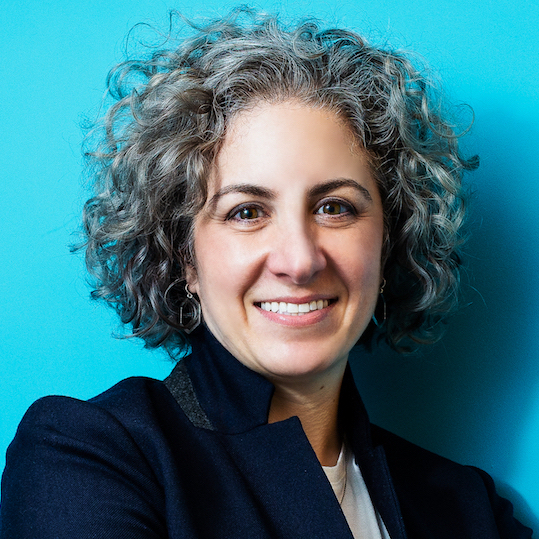
The Freedom To Make Choices, with Jill James
With Jill James
Listen and subscribe
In this episode
Jill James and I have worked together since 2018. If we'd recorded this back then it would have been an episode about her business. This one is different. In 2020 she became the sole breadwinner, then realized her marriage was ending, and found she needed about $80,000 more inside a month. What she says about that moment is why the episode exists. She never once wondered whether she could make the money, only how she'd fit the work in. So we talk about what she'd already built by then, and at the end I've got something to say about the phrase "it's not about the money."
What you'll take away
- She never worried about where the money would come from. She needed roughly $80,000 more in about a month. The question was how to fit the work in, never whether it was possible.
- The fear doesn't go away, it upgrades. Her words: the fear is always there and the numbers just get bigger. You learn that it's coming, and you deal with it.
- She stopped asking clients what they'd like her to do. Two or three concise offers, a set of questions she could rely on, and a proposal built so people could trade up if they wanted to.
- Untying money from hours is what made it flexible. Flat-rate engagements let her count backwards: this many, at this price, paced like this, and here's a short one to fill the gap.
- You imprint your values on your business and they stay there. Down to whether everybody gets one box of paper clips. Founders settle that in year one and it propagates for a decade.
In this conversation
The full transcript, in sections. Open any one to read it.
"You can make the choice that's right for you"
0:02
I think when you know that you can generate an amount of money that you need to have the life you want, you can make the choice that's right for you and not have to compromise into I need to make this work, because economically, I don't have another path.
Why this one's a different story
0:20
Welcome to the smart gets paid podcast with me. Leah niederthal, I help women land higher paying clients in their independent consulting businesses, but I've never been a salesperson. My background is in corporate marketing, and when I started my first consulting business, I learned pretty quickly that it's about 1000 times harder to sell your own stuff than it is to sell someone else's so I taught myself how to do it, and I created the sales approach that I now share with my clients so they can feel more comfortable in the sales process. Get more of the right clients and get paid way more for every client contract. So whether your client contracts are $5,000 $100,000 or more, if you want to work with more of the clients you love, do more of the work you love and get paid more than you ever thought you could, then you're in the right place. Let's do it together. Thanks for tuning in, and don't forget to rate, review and share. Hey there, Leah here, and thanks for tuning in. I hope that wherever you're listening to this, wherever you are right now, you are having a good week, making some good progress on your business and taking time for you. So this week, I am so excited to share a conversation with one of my favorite clients and all around favorite people, Jill James, and a conversation that's about business, but more about what a business can allow you to do. Jill is the founder of her company, the Jill James, where she helps self funded founder CEOs build and run their companies with purpose. And Jill and I worked together in my previous programs around 2018, 2019, and she really embraced the strategies and the tools like straight A student. And if we had done this interview after that, I mean, the podcast didn't exist then, but if it did, then we probably would have talked about how, you know, she grew her business and dialed in her ideal clients and a lot of business stuff like that. But in 2020 Jill was faced with a difficult decision and a difficult choice for herself and her son, and so now this becomes a different story. It's the story of how Jill was able to make the choice that was right for her because she knew she could support herself and her son on her own, and the story of how she did that is the story you're going to hear today. I'm lucky to work with some of the most amazing women, and Jill has become not only a trusted colleague, but a dear friend. And so I am so grateful that she's chosen to come here and share her story with you. And as just a quick note, when we were recording this episode, I was trying out a new mic that like sounded good when we tested it, but as you're going to hear, it doesn't sound great in this recording, so just a little caveat there. So take a listen to my conversation with Jill James, and at the end, I'll come back and share a lesson you can apply to your business, and then hopefully someday soon, you'll partner with us to help you build your consulting business, and you'll come back on the podcast and share your story. Enjoy. So you might have noticed that with the economy being as it is, things feel a little shaky. Referrals are slowing down, budgets are getting cut, and clients who you thought would say yes, are saying no or not right now. And here's the thing, in this economy, you can't run your business by waiting for referrals, clients just aren't going to swim into your net. You have to be intentional. That's why the best way to protect your business today and for the future is to have the two systems that every consulting business needs, a marketing system to bring the right clients to you and fill your pipeline, and a sales system to help clients say yes and get you paid more. But it's not just about getting clients. It's about security and stability and making your business sustainable no matter what's happening out there, smart women are doing this right now, even in this economy, they're winning their biggest contracts, filling their pipelines, and their businesses are growing, which lets them do things like build up six months of family savings a lot sooner than they had planned. Or go from having one to two months of revenue booked to having eight to 10 months of revenue booked, or getting to the place where you're able to pick and choose your clients and say no to the ones that aren't perfect. These are real results from women in the academy, because this is what we do inside the Academy. We help you build the marketing and sales systems that make your business and your revenue more stable, more secure and more sustainable. So if you've been in business for at least two years, if you made at least 120k last year, and if you want your business to feel secure no matter what's happening in the economy, join us. Apply today. It's marketspay.com/academy We get started on Monday, February 9, because you can't control the economy, but you can control what you do about it.
Jill, I'm so excited to talk to you. Thanks for being here. Oh, thank you for having me. Leah, so just to start out, let's tell everyone what you do?
So I am a business strategist. Eight years ago, I started a company which is now called the Jill James, and we work with self funded founders exclusively. So people who are bootstrapping or intend to stay private without taking institutional investors, we help them find the business plan and the growth plan that works for them in their business, and then we help them with finance and operations in running that growth
plan. Awesome.
All right. Well, so And when did we start working together? Do you remember?
And it was November of 2018 so I joined an earlier incarnation of there was a smart gets paid, just kind of 10 week program, I think at the time, was a little bit broader target group, but it was figuring out, you know, how to basically, it was sales training and also figuring out how to position your business and kind of tightening what you were offering.
Yeah, I can't, I just can't believe we've known each other for that long, like it's an amazing and we did finally meet in person in New York. But I think after, you know, after so many years, I think the question I had for you even before, like, you were taking the trip, and I was like, I was like, how tall are you? We'd worked together for so long, and I didn't know how tall you are. You're like, five nine or something.
Yeah, I'm deceptively small on Zoom, because I have a small head. So when I meet people, they're just like, you are very tall.
Yeah, no, you are surprisingly tall. Well, I mean, also it's like, Zoom land, right? So I assume that everybody's the same height as me. I'm five two people, people actually assume that I'm taller, and then they're like, Wow, you're very short. So pretty much the opposite reaction to you Well, so, so let's sort of go back in the Wayback Machine. What was going on in your business, or sort of in your world? When, when we started
Seven months pregnant, and a business that started as a crisis
7:10
working together? Sure, so I had started my business in 2015 It was sort of as many people have a sort of crisis. Created a business situation. I was seven months pregnant, found myself needing to leave my job, and had a couple of people who had said, if you ever want to do this for me, you know, I would hire you fractionally, and I was the COO of a venture backed tech company. So for the first couple of years of my business, I just, you know, worked my connections, and basically did my job that I had done, but as a consultant. And I was at a point my family was living abroad. We were in Spain for a year, and I was realizing, like I had some space to really think about what I wanted to do in the business. And when I came across you, I think I it was really there were some things going on in my life, as well as the business that, you know, pandemic aside, I had this great five year plan for where I wanted to be when the kid went to kindergarten. That never happened. We had seven months of homeschool, but whatever. So, you know, I was on this track of, I'm two years out from I would like this business to have, you know, a clear offering, a thing that I can build momentum toward, so that I can really put my foot on the gas when he hits kindergarten.
Totally well. So okay, so you had this five year plan, it got really derailed. And things do right, and you know, so we started working together what were sort of some of the biggest game changers, I think that that showed you that maybe the different way that you were going was the right way, or even, I guess I should say, really, just ask like was even possible.
Becoming the sole breadwinner
8:46
So one of the things that had happened in the course of this year abroad was I had become the sole breadwinner for our family. My then husband was taking a sabbatical, and I was working remotely. And, you know, my income up to that point had been really up and down, and my my, my lead generation had been pretty inconsistent. Again, just completely word of mouth and and me saying, like, what would you like me to do? Versus, hey, this is the thing that I offer. And, and, yeah, would you like to work with me? Or I would like to work with you.
So which is where, which is also where everybody starts, right? Like, you know, the first, the first period of your business, is really where everybody begins, which is, like, I'm going to do something similar to what I did, just in a different technical capacity, right?
Yes, right, more flexibility. Or I'll charge differently. Or, you know, I think most of it is excitement over hey, I can choose who I work with, and if I don't like it, I can say I don't want to work here anymore without having to find a totally different job. Right? That that for me being in early stage startups was every 18 to 24 months I had find a different job. So the continuity of being able to have something where I got to work with a number of early stage companies without having to find a. New job every time, just kind of layering them together. That was very appealing for me. Since I was either at 80 hours a week or zero hours a week, right? That was my life. So entrepreneurship was a way that I could smooth that out and have multiple clients doing similar things. So I think, you know, the we were relying on my income from this, so I had not had that pressure before. I had the luxury of not having that pressure for the first couple of years, but at that point, it was one I have to figure out how to stabilize the revenue coming in from this like, how am I going to create recurring revenue in this business, not just hourly consulting? And I think the other was, there are some, potentially some things going on in our marriage where I could see if I had to either rapidly increase my revenue in order to permanently be the sole breadwinner, whether in a relationship or not, I had to be prepared to do that, because that could be a thing, that was that could be an outcome. So you know that I think the things that I got out of your program were one just, you know, really systematic, how to have these conversations, right, how to find and qualify a lead without having, you know, half a dozen phone calls, right? 30 minutes how to get to how to make an offer, what that offer should be, sort of a concise set of offerings and then moving into a proposal, and then my contract, and then moving into the engagement, having sort of a path for that. And, you know, CRM system and some other things that made that repeatable for me. So that, you know, when I said half an hour after lunch, before the US came online, and I quickly had to get something out the door. You know, I had a system for doing so that was huge for me. I think the other piece was just my overall confidence in, if I learn to sell, if I find my sales style, I can make this bigger, right? Like I gained the confidence that should I need to make more money? I will figure out how to make more money, right? It took away that variability of, can I figure this out? Can I can I do this if I need to do it right? I got rid of that fixed mindset of, this is just the amount of money that's going to be here. And it gave me the flexibility to say, hey, if in three months my business needs to be this much bigger, I can now feel like I can figure out where the revenue is going to come from. I can figure out how to scale up and scale down the number of clients that we have within reason to hit those goals, and, you know, be able to close the clients that we have with an adequate pipeline.
Oh gosh, okay, there's so much I want to, like, dive into here, the ability to have conversations. Because, you know, we it's obviously so important because it in the way that we are getting clients. You know, we're not selling like a $99 thing. The selling happens in conversations. And so, you know, how was it before for you when you went into some of these conversations, like, how did it feel? It felt a little chaotic, right?
From "please work with me" to two or three concise offers
13:08
I was kind of getting some portion of a discovery process, but I didn't have the consistency of, here's a set of questions that I can ask that move me toward a close, right. And I had a lot of sales training, but I wasn't selling myself. It wasn't my services, right? I had been a financial advisor. I had to get people to agree, but there was a bigger umbrella company. There were lead generation programs I had done, you know, B to B sales inside a corporate setting, because it's around the brand, and maybe, you know, we had come up with the product, but I had the backing of a larger company. So this was just me kind of feeling like, Please work with me. I don't know. I've been doing this for very long. I hope you kind of look at my credentials and think I should be doing this, and you agree that this fee is reasonable. And I think the shift for me was I had two or three concise offers. I had the racetrack strategy in my proposal. So sort of, you know, there was the OPT up, if people wanted to pay more, they can say, I want that thing instead, like that looks great, and then making offers. So my business really shifted to this is the point where I stopped working with venture backed founders. I started working with self funded founders who were very purpose driven, who wanted to bring their values into how they designed the business, and being able to put kind of a repeatable engagement around someone that I could call to me and say, This is the reason I want to work with you, if you are this person, and that made a really big difference, because I was getting much more qualified leads, right? They had much more in common, and so the conversation started to get a lot more consistent, which accelerated my learning in how to develop and close those clients.
I think that is such an important point that I really want to hit on, because, you know, in doing consulting, you you can bring a lot of your. Your skills to bear, right? And and a lot of women I talk to are like, all my work is custom. It's never the same for every client, and that is one way to do it. That can be a great way to run a business. But you know, you really have to make sure that you're you're not sort of shifting with the wind, right? As different clients come to you, and a lot of women do come to me, having sort of done a lot of different types of work for a lot of different types of companies, but I love what you're saying around the shift that you're that you made then was like, how do you solve the problem, and who do you want to solve it for, and putting a stake in the ground around that, and then shifting everything else so that the right clients come to you for that offer. And so many women are are afraid to do that, because if they say, if I you know, if I put the stake in the ground there won't, how will I know if, if anyone will buy it, right? But did you have that fear?
How did you sort of reconcile that I had? I mean, of course, right? I mean, I know you read my newsletter a couple weeks ago, I wrote about, you know, the fear is always there. The fear just gets bigger and the numbers get bigger, and you learn that it's going to come, and you deal with it.
I think I totally, you totally upgrade your fear. Yes, you
You don't lose the fear, you upgrade it
16:16
get used to, you know, like you're you level up on your fear. So I think at that point, of course, like I naturally had reservations, fear, both in like, my personal life, right? Is this a thing that I can do? How will this change the dynamic of my relationship? You know, I, at that point have been, you know, my business has been 100% designed around my son coming first, and is to this day, and it has caused me to be much more creative in the way that I consult pence being remote from 2017 because it was a giant waste of time to be driving all over LA or flying to sit people's offices, that was not a thing I could do. So this let me design an engagement that I could deliver within the constraints that I had and the things that were important to me. So, you know, that is, you know, I knew if I had to, you know, kind of be the sole parent for longer stretches of time and run this business, I needed to be able to make enough money in the time that I had available. And, you know, take on either more clients or charge them more. And I think the process of getting better at sales overall and figuring out a way that worked for me gave me the confidence of, if that moment comes, I know what I need to do. I can do it relatively quickly, and I'm not worried about how I'm going to solve my personal financial issues. Should something change in my life, right?
I mean, it is a set of tools that you can activate, right? And I think that's so important, because so many women are running their business in a very reactive way, right? Like, if trusting the universe that something is going to come their way, or what have you. And you know, as we've talked about at length, like trusting the universe is not a strategy, so having this set of activities, set of tools that you can say, Okay, if I need to press go, this is, this is how it's going to go. I think is, can we say it's empowering?
$80,000 more, in about a month
18:12
Oh, incredibly, incredibly. I mean, I don't want to seal the punchline of this episode, but when I ultimately did realize we were getting a divorce, I had to go from, you know, I one way that I had used my, my S corp around, you know, kind of balancing out our income taxes to this thing has to be full fledged. And I need to make about $80,000 more in about a month, right? I need to have a plan for this, you know, by the end of the year. And I think in that, like, I never worried about, how will I figure out the money? There was definitely like, how will I get the work done around the other things going on and that, you know, some different operational changes in the business. But there wasn't a, oh, gosh, I have no idea how I'm going to support my life if I have to have an extraordinary amount of more money in a short amount of time, right? I mean, we had talked about tools like, you know, prepaying and a small discount for prepaying. And so I went out and was just like, well, I'm going to need four clients over the next four months who can pay me this much, and I really need them to prepay. Let's make that discount a little bit deeper, right? I don't discount now, but at the time, it was a great tool to be able to know like, hey, I need to raise this much money, I need to go do it, and then it was off of my mind, and I could deal with the things I needed to deal with, of, you know, the changes that were going on my life, being there for my son, changing where we lived, working through all of you know, separating a really long term relationship, you know, what are those things? And I think the thing that is not there when I talk to a lot of other women, whether around should I freeze my eggs, or could I be a single parent or, like, when I'm having those conversations with people, they're just like, I don't know where the money would come from for me to have that life. And I never have that question. And I think when you know that, you. You can generate an amount of money that you need to have the life you want. You can make the choice that's right for you and not have to compromise into I need to make this work, because economically, I don't have another
path, right? I mean, that's so important. I mean, important is an understatement, right? Because that's what we're talking about choices. You know, a lot of people, even women, a lot of women sort of bristle even at like, I want to make more money, right? And sometimes it's not about money. Specifically, it's about choices and what money allows you to do, whether it's freeze your eggs, you leave a relationship, you know, support an aging parent, whatever it is, sadly, that all takes money. And so, you know, the having the tools to make money means having the tools to make choices that work for you
Untying the money from the hours
20:45
right, and the money has to be disassociated with the time you put it right. That was a big thing for me. I had moved to flat rate pricing. I had, you know, kind of these engagements, and so I could say, Okay, I need this many of these paced out like this at this price. I have developed the pipeline of people so I can sell this, right? I know where I'm going to go to or I'm a little bit short. Let me come up with a short engagement. Maybe I can go back to someone I've worked with before. We can do a replan, and they can fill that hole. It'll take three weeks, right? Not a long engagement. Just get something quick that fits into my schedule. And I think that sort of like that flexibility to say I can make the work deliver the money that I need, right? It was also, like, very much needed, because my schedule just, you know, kind of went up in smoke, very structured, drop off at daycare, pick up from daycare, kind of life, and you know that all the work was within that, but you know that what we generated was what we generated. And this was like, Okay, I have to figure out how to do this much more work for this much more money. Like, where is the value going to come from? And that, you know, I knew which levers I had to pull, both, you know, from a sales perspective, from a marketing perspective, because, in part because, you know, we had talked about that and had I had those tools right from going through your program, yeah. And I just want to sort of back up a little bit on the discount piece, right, if you've lived in this podcast for a while, I don't think either, neither Jill nor I would advise anyone to flat out discount their services. However, you can use that as an exchange of value, right? So if you, if you offer a small discount for prepayment, then that means they, everybody gets value, right? The client gets a small discount, and you get money up front. So just to sort of caveat, you'll never listen to this podcast and hear me say, like, just charge less. Correct. Nor will I ever say that to a client in my business.
All right, that's our that's our pack. That's our promise to you the listeners, right?
No, we have, we have to have high value offers, because we're small businesses and we have to fit into spaces that big companies don't want to be in. So we really have to stick to high value, high high cost, high value offers. That's just the nature of where we have to be
exactly well, because
otherwise, you could do low cost, low, you know, you could do a low cost offer, but it's a different type of business, right? It's, it's such a different business, you know, selling a $99 thing or running a low dollar membership, right? Like, it's just a different, you know, we talked about you, you were saying like you had to structure your business around your life, and that's how you should structure your business, selling small things also, you know, affects your life and and what you can do there. So anyway, different, just little tangent. Different podcasts on mass marketing, different podcast, exactly, different, different rant. We'll bring you back for that rant later. Okay, so how are things different? Now, I think a whole lot has changed for you in the time that we've worked together. Any anything else?
Yes, so many things have changed. Some things haven't changed. So the flagship that I designed at the time, the business design boot camp still is the main thing that we do for clients. It's, you know, we we do probably 10 or 12 of them a year, and I very selective about who we work with. So, you know that that has not changed. I think pretty much everything else has changed. So it's been, I mean, we're recording this in late August. So it's been almost exactly three years since the end of my marriage, and, you know, we were in a pandemic, and there was working out from the pandemic, I spent a lot of time, given my background, during the pandemic, helping small business owners figure out how to access the capital that they needed and the government programs, and spending a year and a half as the Queen of how to get uncomfort that money really kind of threw off the development of other areas of my business. It was the right thing to do, but it meant that I had to, you know, kind of refocus and get back on track and and other things around, like my main consulting business, and then also, you know, figuring. Out, you know, have a different custody schedule. I don't have every day. This is how things look. I have one week I am completely on and I have this much space to work, and the other week I have complete flexibility. So I'm an empty nester half the time. So, you know, this is a very it's created some new opportunities for like, I last year decided, you know you and I, you and I met in person. I realized that I had not met anyone I had been working with for between two and four years, right? Like all these people, I felt like I knew really well. I went on a little tour, and I met people in person and did some meetings in person for the novelty of it, right? Like, so that's something that I can do now, which what I actually couldn't do before, you know, can. So I think the economics are different. The business is bigger. I have a lot more personal expenses, you know, I have a full household. I am the sole brand whenever two households I need to pay for at the moment, and, yeah, and that, you know, there are just a lot of additional expenses. You know, I live in Los Angeles. You live in New York. This is, these are not inexpensive places to live. So, you know, the realities are there of like, there's just a minimum amount this business needs to make, and there's literally no flexibility around it, right? But, you know, the goal is to be well beyond that every year, and so continuing to think about now truly, how do I want this business to grow? You know, over the next two to three years, I'm able to come back to that, and I think what is, what I hope is, a more normal time. I know it hasn't been normal time for any of us for quite some time, but I do feel like the conditions right now are more level and fair than they have been in a long time. Nobody has access to super cheap capital anymore. Everybody has to make a profit, and so businesses like ours, that have always been profitable and had to be profitable, have a leg up right now, because we know how to grow from a place of also having to pay ourselves and, you know, generate high margin products,
yeah, and I love that perspective, also that we might have a leg up. Because a lot of what I'm hearing also in the in this sort of consultant universe, is like, you can't sell right now. Clients aren't saying yes, right now. Clients aren't hiring and and they are right, but you have to first believe it and have the tools to do it, and then you can run a business that is, you know, that is profitable, right? And really, and
it takes some more time, right? And this is part of learning. What does that pipeline have to look like, and how much more do you need in times like this, like even if you're established, you just have to really increase your pipeline. Have more conversations, do more outbound marketing, you know, do those LinkedIn,
yeah, it just it never was a one to one thing, where, if you talk to somebody, you talk to a central client, and they become a client, but yeah, now you have to have more conversations going, because inevitably, something will happen, right? The the project will get pushed, or your main contact will get laid off, or leave their position, or any number of things, right? So, so constantly working on, you know, and filling your pipeline so that you are protected. So, so, obviously, a lot of changes in the business. What? And you alerted you alluded to this earlier. But what changes have you seen in yourself?
What changed in her, and deciding faster
28:15
That's a good question. I think overall, my confidence is much higher, you know, even whether 2018 or just to now, I think I am. I will say it's not a perfect process, right? I have days where I'm just like everyone hates me, and this is never going to work. I think we all have those. But in terms of knowing that, like, really logically, I can make this work. I can figure out if something isn't working, what's going on. Have a, you know, pretty rapid conversation with myself about what needs, what my options are for change and definitively do it not sit on, I know, you know, earlier on, every decision feels like a huge decision, and sometimes you sit on things like, should I hire this person or let this person go? Or, you know, take this money, or launch this product, and you just sit on it for months because it just feels too big and it doesn't feel right yet. And so I can make those decisions much faster, which I need to do in my business now, I think also just in terms of taking care of myself, I was really afraid to tell people I was getting divorced, or that had life event going on, or I have these new responsibilities, because I thought they would like, I'd be like, Ooh, I don't want to work with her right now. She's a mess. And I actually learned that people liked hearing I was a bit of a mess. It actually most people treated it with grace. Most of us have gone through at some point, something that we need to deal with in our life, that may, you know, work not the first priority, or some of us never have that, but we have other additional, other things that we need to take care of. And I was really afraid of how people would take the news, and I was going to get fired by everybody, because I didn't, you know, might not have the same focus, and I have. Learned over the past three years that, you know, most people will approach as long as you say, This is what's going on, and you know, this is how I need to change what I said. I could do. Most people treat that with grace, as long as you come with a plan, and that will happen to you. And it's worse to not say anything. I think it's created more bonding with my clients, that they know what's going on in my life, not you know necessarily, that they'll, you know, keep working with me forever, but that they understand and they can, they're more open with me, of like, I can do this, or this is impossible for me right now, and I do ask this of them to be really vulnerable. And you know that to me, that wasn't my job for them, right? I have to be like, kind of the steel wall here, right? Like, always available, always on, always with the right answer. And I think it's created more flexibility for me to let people have their space to fail themselves, or change the pace of the work that we're doing, because they need that to say what I need to take time off. If I need to take time off, like, when I'm starting to feel like I may get burned out, I will just say, like, I'm not available here. Or, you know, we shifted to four day a four day week for a period of time because I just, I needed a day to consolidate everything else going on in life, because I was, I wasn't able to be focused on work. So I think the flexibility there to know that I can say this is what I need to take care of myself and know that the clients aren't going to go away. That's been a huge change for me personally.
Yeah, and just to have clients see you as a human right, you're just like them, like you're just you, we're all human, right? We have good days and bad days, good weeks and bad weeks. We have things that come up and really affect our life. And the more you, I don't think anything we're so afraid of sort of sharing those little cracks, you know, letting people see through the cracks and the facade. But I think what I'm what I've learned, and what I think of hearing from you is like, it's never a bad idea, like, it never has negative implications, and it, I think it only has positive for everybody involved. I mean, I certainly, in my stuff, I talk about what's going on in my world all the time, like inside the academy and and it's also created space for people to talk about what's going on in their world. It's why we created family leave as as part a policy that if you have you know something going on with yourself or your family or child, parent, whatever, you can take some time off. And we've sort of built that into the program. But you know, I think it would be harder for people to harder for people to raise their hand about that, if I didn't come first and say, This is who I am, and this is what's going on for me,
yeah, so it makes it easier to
live your values in in terms of, you know, I had someone just come to me, right? It's the end of the month, and said, Can I, can I pause with you for six weeks? Right? This is just what's going on. And, you know, instead of being like, Oh, I really gotta have that recurring revenue, right? It was just like it will come from somewhere else. It is fine. It's the right thing for you to pause if you come back. Great. If it's not right for you, great. Then there's some of that. Also, accepting that when you are in the flow of your business, the clients that are meant for you will come to you. And again, that confidence of like, if this isn't going to work out for you, there is someone else. I have people in the pipeline there. There are just tools like that of smoothing out those scary money moments when you again have more confidence around you know, if I do the right thing for myself and I do the right thing for others, this will all work out
absolutely, absolutely. So what's some advice
that you would give to somebody who's in the position you were back
Her advice: the business side, and the personal one
33:46
then? Okay, so
I think sometimes we key in on there's a business side and there's a personal side, right? So the business side is figure out kind of what you need to do, from whether you're you know, it's sales, marketing, offer, operations, whatever it is like, lay that groundwork so that the business isn't in crisis at the moment that you know, any amount you can smooth things out, any amount you can make it better, any amount of recurring revenue you can establish that will Make it easier. When the moment comes when you realize you know what I have seen for myself and many others, is like when it's the day to walk away, it's very clear and it's the day, right? So the more you can, you kind of put the things that you're going to need in place, just in case you'll have a stronger business for it. It's things you should probably be doing anyway. So, you know, just lay that foundation, do the training you need to need, you need to do, get the people in your corner who support, you know, look for a client who's resilient, I think. And so, you know, there's that piece, and then I think on the other side is like the economic. Actors of what will my life look like? Should I decide to leave this relationship? We often think about job, but you know, relationship is very different, and really facing that like, what would I need to do to stand on my own two feet and have the life that I want again, whether or not you are in an economic partnership. It's a conversation that you should have about what you want for yourself, and the more that you have that in your mind and you feel confident of this is not the reason I'm not I'm choosing to be here because I want to be here. I'm choosing to be here because this is the right partnership for me. I see most of the time that gets delayed because it's not I have no idea how I will pay for myself and my children. So I'm going to try to eat this out longer and put up with more stuff and, you know, and sometimes, in some cases, it's I'm going to make myself smaller and the economic freedom, that if you can take the money off the table, you can make a true choice of, is this the right thing for me to be here? And I think that is in so much, whether in a relationship or anything else in our life, right? If we can take the economic factors out of it, which is very, very hard, but you have much more flexibility and control over that when you are an entrepreneur, because, again, you can move the money up and down if you need to. So you know you're not on a fixed salary. So you can start to envision the world as you might like it to be, and make the right decision for you in terms of that, you know that partnership, if that's the right partnership for you
that is such amazing advice, and I will say, you know so much of that also is if you if the things going on in your personal life are not up, are not maybe in flux, right? Always a good idea for any of us to really envision what we are, what we want out of our lives, how to make our business fit into that life, you know, and support that life so that we're doing things by design, not by default. Absolutely. I think the thing that I work on
The values you imprint on a business, and how long they last
37:10
a lot with my clients, and that surprises them, because they expect to come in and get a business plan or a model for their business is, you know, again, we start with vision and purpose and like, how is this going to work for you? What do you need from it? And they can say anything, right? I've had people say, I want to make half a million dollars a year and I want to work two days a week. What would that business look like? Or I need? I want to live anywhere. I want to live in the world. How would that like? How do I make the work work for me? And that, when you have that intention, we can design the business in a way that, you know, we it lets us rule out a bunch of things that you're definitely not going to do, because there are types of businesses and models that just don't work like that. But that, I mean, that's the foundation of you do not have to do any business a certain way, right? So choose what's important to you. I think the thing that we don't realize as founders, especially for solo printers, and kind of like it's just going to be me for a long time, we strongly imprint our choices and values into our business, and it lasts forever. I have seen this in working with different founders. So choices down to everybody gets one box of paper clips, and you got to take care of those paper clips forever that propagates out into like so much of what people assume about what you want in a business. Or I don't offer, we don't do paid leave, or, you know, we don't offer benefits like these, these kinds of choices versus we allow flexible work. We are going to figure out a way to pay for benefits. We are going to have paid leave, right? You design your business differently from the beginning, because there are certain ways you can't operate because they will never pay for that. And so that intention, I think, of you know, bringing that into your business, will change both who you attract to your business, both in clients and the people who work for you, the partners that you choose. All of this is around the intention that you set of what you want your business to be in the world.
Absolutely, that reminds me. I mean, I love that, and I think that reminds me of there's a guy, Derek Sievers, who founded a company called CD Baby. It was like ages ago, but they it was like direct, independent music sales. And he wrote a book that's amazing, highly recommend, called anything you want. But what he says is, you know, your business is a reflection of you, and you know, sort of extrapolating that out a reflection of your values, what you want, your life, all of these things. And so that sounds sort of scary, but you have to get in touch with that and what you want. So Jill, how can people find you?
Yes, well, my website is the Jill james.com and that's also my handle on Instagram and on LinkedIn. You can find me at Jill D James. And I also have a newsletter that I write weekly. So if you're on the website, you can go to the Jill james.com/newsletter and sign up for our weekly newsletter, which I, you know, focus on getting. And exclusively self funded small businesses, and the things that you need to know to plan and run your business through, whether you want to stay at the same place or you want to grow. So I think that's if you are looking to engage with me. That's a great way to start Awesome. Well, thanks so much for being here, Jill. Thank you for having me.
My take: "it's not about the money"
40:19
All right. I loved this conversation with Jill, and if anything that Jill said spoke to you in any way, I hope you'll reach out and thank her. So there are so many good, really just thought provoking nuggets here, and so many directions that we can take this conversation. But I want to pull out just one thing we touched on and share a lesson that you can apply to your business. And it's about this idea that Jill and I talked about around when we hear women say, quote, it's not about the money. Like, if you ask a woman who's running an independent consulting business, like, how much she wants to make, and then she says, like, oh, it's not about the money, or I'm not in it for the money. I can't tell you how much that bothers me, because it's never about the money, like for any of us, it's not just about money. It's about what we want for ourselves, for our families, for our future. It's about how we want to spend our time and who we want to spend it with, and who we want to help, and what impact we want to have in the world. That's actually the very first thing we do in the academy. We get super clear on what you'll do and how you want your life to look when you achieve your business goals. But all of that takes money, and it actually takes more money than it did a year ago or five years ago, like unless you live in an alternate universe in which you can acquire food and goods and services without exchanging them for currency to do nearly anything you want takes money. So it's not about the money for you or for anyone. It's about something else that takes money. It's about your freedom and your future freedom to choose what's right for you and the people you care about and the future that you want. It certainly was for Jill, and it is for all of us. It reminds me of something I saw a while back on the platform, formerly known as Twitter, that I saved and I often come back to and it was posted by a woman named Chelsea Fagan, who's the CEO of the Financial Diet. She said a lot of the things that we think take courage actually just take money quitting your job with no backup, money calling off a wedding, money starting over in a new city, money she continues. It's very easy to have the courage of your convictions when you have a safety net, and very difficult to do anything on principle when you don't. And I'll add here, you know, as you heard in this conversation, leaving a marriage takes money and the ability to make money, and so learning how to make money isn't about the money. It's about what money allows you to do and the choices it allows you to make right now and down the road. I mean, Jill learned these things in what 2018 2019 they paid off years later, and they still do. So just going back to that quote by Chelsea Fagan about how a lot of the things we think take courage actually take money. One in particular she mentions really speaks to me calling off a wedding. It speaks to me, because many years ago, I actually did call off a wedding in 2013 my ex and I were set to be married that spring, and we called it off three weeks before the wedding date. We had to tell all of our out of town guests like not to come. We lost all the money that we had put down for this vineyard wedding in Napa. I mean, it was rough, but it was absolutely the best decision for both of us. In the wake of that, I walked away from everything, our home, our life. We had co founded and we were running a couple of businesses together, a marketing consulting business for nonprofits and social enterprises, and an organization called lesbians who tech, and I walked away from both of those, and when I did that, I was really at a low point. Essentially, I had no job and no income, but I had myself, and I had the skills I had learned when I had taught myself how to sell and how to get clients into our businesses. I started working with a friend of mine as her managing director in her consulting business. Consulting business, and taking those skills that I had taught myself in my business and applying them in her business, we grew that to greater profitability, and then I took those skills and started working with other women to help them grow their consulting businesses, and the rest is history. So when I say that learning the skills to be able to get clients and make money isn't about the money, it's about your freedom and your future. I've lived it. I've seen it firsthand. So the lesson I want to leave you with is, no matter how you think about the money, whether it's about the money or it isn't, you know, air quotes isn't about the money. You. Fine. Think about what you want your life to look like, and then ask yourself, what skills do you need to acquire, what tools do you need to make the money to allow you to have the choices that will get you there?
Hey, everything we're talking about in this episode is part of the system. Women like you are learning in the academy. In the Academy, we help women consultants install the two systems. Every B to B consultant needs a marketing system to consistently attract the right clients and a sales system to lead a sales process to a yes and get paid more for every contract. So even if you've only gotten clients through referrals or word of mouth. In the academy, you'll learn how to attract and sign clients outside your network, how to lead a sales process with confidence, and how to get paid for your value, not your time. And there's no cold calling or cold emailing involved, no changing your services or making a course, and you won't use any pushy sales tactics. That's just not our vibe. So if you like what you've heard here, the academy may be your right next step to learn how you can get these two systems in your consulting business and make progress faster and with fewer roadblocks. Head to smart gets paid.com/academy and apply, and we can chat about next steps.
All right, see you over there. Transcribed by https://otter.ai
Two ways I can help you
When you're ready to break through to the next revenue level in your consulting business, here are two ways I can help you.
1Join The Academy
For women consultants who've been in business 2+ years and are making $120k+. Build the two systems every consulting business needs to get more of the right clients, get paid more, and build a sustainable business:
- A marketing system to bring the right clients to you and fill your pipeline
- A sales system to help clients say yes and get you paid more
If you're ready to make your business and revenue more stable, secure, and sustainable, visit the Academy page to learn more and apply.
2Get Roadmap to Clients
Map out a simple sales process for your consulting business in less than an hour. Take potential clients smoothly from first contact to a signed proposal, so you can stop reinventing the wheel with every opportunity.
Get the free video course.