Episode 151 · September 28, 2026
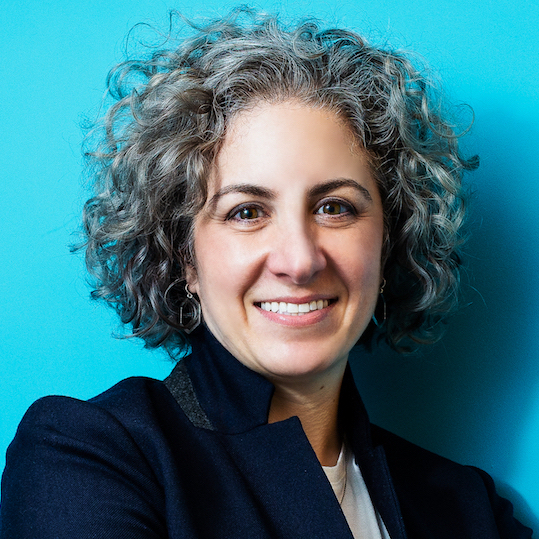
The marketing system built for how clients actually buy now, with Jaclyn Sergeant
With Jaclyn Sergeant
Listen and subscribe
In this episode
Everybody's saying nothing works in marketing right now, and yes, reach on LinkedIn is down. So I sat down with Jaclyn Sergeant, the marketing and pipeline coach in the Academy, to talk about what's really changed for consultants and what hasn't. You'll hear why lower reach can be good news for you, how LinkedIn's algorithm reads your posts now, and why the answer is never to do every channel at once. We also walk through how we rebuilt the Academy's marketing system around the way clients buy today. And at the end I'll give you the one thing I want you to do this week.
What you'll take away
- Lower reach can work in your favor. LinkedIn is showing each post to fewer people, and it's working hard to make them the right people. That hurts anyone who needs a crowd, like somebody selling a course. A consultant doesn't need a crowd. You need the few people who could hire you, and that's exactly who the platform is trying to find.
- Marketing and sales are two different jobs. Your marketing gets the right people to know you, like what you say and trust you, often over a year or more. Then you lead a sales process to get to a yes. When you expect LinkedIn to do both jobs, it looks like LinkedIn isn't working.
- The algorithm can read your post now. It used to count likes and comments, and we used hashtags to tell it what a post was about. There's an AI model underneath it today that understands what you wrote, who it's for, and whether your profile says you're qualified to say it. So being clear about who you help matters more than chasing engagement.
- Pick your channels on purpose, and pick ones you'll keep doing. Years ago I decided my marketing would be LinkedIn and a newsletter, then the podcast, and I opted out of everything else. Jaclyn starts members with a different question: what do you like doing? If you hate it, you won't keep it up, and you can't be consistent at something you've stopped doing.
- Get excellent at one thing before you add the next. Showing up two or three times a week, every week, does more for you than any single post that goes viral. Pick one piece of your marketing, get good at it until it's just part of how you work, and then add another.
In this conversation
The full transcript, in sections. Open any one to read it.
Why I had to learn to market my own business
0:03
Everyone knows reach is down on LinkedIn, and if you're just listening and you don't, reach is down on LinkedIn. But for me, I actually think it's a huge advantage.
Welcome to Smart Gets Paid with me, Leah Neaderthal. I help women run more profitable consulting businesses, getting more of the clients you want and getting paid way more for your work without sacrificing your time. But I've never been a salesperson. My background is in corporate marketing, and when I started my own consulting business, I learned pretty quickly that it's about 1000 times harder to sell your own stuff than it is to sell someone else's.
So I taught myself how to do it. I turned it into a methodology, and now I teach that proven methodology to my clients. So whether your consulting contracts are $10,000, $100,000, or more, if you want more clients you love, more work you love, and they get paid more than you ever thought possible, then you're in the right place.
Let's do it together. Thanks for tuning in, and don't forget to rate, review, and share. Hey there, Leah here, and thanks for tuning in. I hope wherever you're listening to this, wherever you are right now, I hope you're having a great week, making some good progress in your business, and taking some time for you.
So here's something that might surprise you: I actually don't love being in the spotlight, like at all, I'm much more comfortable in the background. So if you hear me on this podcast, or if you see me showing up on LinkedIn, you might think I'm like totally happy to be, you know, front and center.
But that's not naturally who I am or how I am. It's something I had to learn how to do as a business owner, because I actually had to learn how to do marketing for myself, which is weird because marketing was actually my background. I started at ad agencies and then I went in house to do corporate marketing, and so you'd think that that would make marketing my own business easier, but it didn't.
When you spend your career making something else look good, the idea of promoting yourself feels completely awkward and uncomfortable. And when I started my business, like I knew how to run a campaign that would reach millions of people, but I didn't know how to reach out to one person and help them actually become a client, and so while I had this great marketing experience, that experience didn't exactly translate into marketing for my own business and feeling comfortable doing it.
So I had to learn how to actually market myself and my business. And I mean, fast forward to now, you know, of course, like I show up consistently. I'm on LinkedIn. I have a newsletter, podcast. Like I have a marketing operation, but like I did not come to this naturally.
I had to learn it the hard way, and I'm still more comfortable in the background than people probably expect. But I know what it actually takes now to market a business to warm people up, to create leads, to help the right people become interested and take action, and that's why it's so important to me that consultants have and implement an actual marketing system as one of the two sales systems that we teach consultants.
And even today, I mean, marketing is changing so much, and what that means for consultants and how they can work within that is what we're talking about with consultants in the Academy every day, and that's exactly why I wanted to record this episode right now because today I'm talking with Jaclyn Sergeant.
Jaclyn is the marketing and pipeline coach here in the Academy. Every day, she helps our members show up better, build better relationships with potential clients, and bring the right clients into their pipeline. And she's doing it everywhere our members are in our weekly coaching calls, in one-on-one calls with members, in our Slack community.
Whether it's little questions about you know how to do this or that, all the way up to bigger strategic questions about how someone's whole marketing approach should work. Outside of the Academy, she has an agency where she helps sales teams get in front of the right buyers, create warm sales conversations, and fill their pipelines.
And so, I'm so excited for you to hear from her because, as I mentioned, you know we know that marketing for consulting businesses has changed so much.
Why we rebuilt the Academy's marketing system
4:23
I mean, LinkedIn has changed so much, and Jaclyn and I have been in it this whole time. You know, using it, watching it, learning what it sort of wants from us right now, what marketing means right now, and what's actually working. And so, several months ago, we realized that we really needed to tune the marketing system that we teach here in the Academy so that it's at the forefront of what actually works in marketing for consulting businesses today.
Because even in the best of times, you know, marketing isn't a set it and forget it thing, and especially now, you know, it's moving quickly. I mean, with LinkedIn and AI, and we wanted our system to move with it. So we've spent the past few months completely rebuilding the marketing system that we teach in the Academy.
And I mean, honestly, I think it's the most forward-looking marketing system for consultants out there right now. And on October 1, we're actually going to throw a launch party for it inside the Academy, we're going to talk more about that later. So, in my conversation with Jaclyn, you're going to hear why declining reach on LinkedIn might actually be good news for you.
You're going to hear why everyone's saying, "quote Nothing works right now. You'll hear why LinkedIn's algorithm is basically AI now, and what that means for you. And you'll hear how we've rebuilt the marketing system here at the Academy to match all of it. So take a listen to my conversation with Jaclyn Sergeant, and at the end, I'll come back and share a lesson that you can apply to your business.
Enjoy, Jaclyn. Welcome. So happy to be here. Pinch me. I feel like I talk to you all the time, and now it's like we are officially like capital T talking on the podcast. But I'm so excited to have you here and just to share. I mean, even a little bit of like what we've been doing and the things that you and I talk about all the time.
Jaclyn, why don't you introduce yourself? Tell the good people who you are, what you do, who you work with.
Meet Jaclyn: company pages, sales teams and AI search
6:16
All right, hello, good people. My name is Jaclyn Sergeant, and in the Academy, I am the marketing and pipeline coach, so helping members to fill up their pipeline, become a marketer. Because a lot of us started a business because we love the thing that we do. And when we opened a business, we realized, oh crap, we have to be a business owner and a CMO now until we can get to a point where we can bring someone on to help us with that.
And so I take my role very seriously in that capacity and helping everyone to do that. And in my day job, when I'm not hanging out in the Academy, I own and run a LinkedIn agency, helping companies to bring their stories to life on the platform. I serve B2B companies, and I specialize in the organic side of things, and so yeah, I've been doing that for about five years now.
Yeah, and I remember when we first met, and I saw what you were doing for companies that were a little bit bigger to a lot bigger than the companies that I was working with in the Academy and the women I was working with. I was like, oh my god, your experience is so sort of aligned, and you have a LinkedIn agency, but you also have a background beyond LinkedIn.
Yes, yes. I spent my whole career kind of in marketing communications, high tech marketing, the Salesforce space for a while. So I worked a lot with sales teams and helping them to set up the system the way that they like. So one of the three pillars of my business, I believe in you start with the company page because the company page is not dead.
It's a very important foundational element for your business. And in the Academy, I help the members to make the most of their company page in the spirit of optimizing their entire LinkedIn presence. And then once you have that nailed down, you build upon that. And in my business, that usually looks like social selling.
So help your sales and biz dev team get up to speed on using the platform strategically, and then the other side of that is founder-led or an expert person on your team talking about their expertise and helping them bring that voice to the equation.
Yeah, well, and so what is it about your experience working with sales teams that is the same as the women consultants that we're working with, and what might also be a little bit different.
Well, I think one thing that both have in common is they don't want to have to spend their entire day on LinkedIn. I think LinkedIn is important, and there's a big emphasis. But I try and help them to figure out the couple of things that they can do that are really going to maximize their time and effort, so they can do the things that are going to move the dial, and then get on with their day.
Because sales teams have a long list of items on their plate, and that keeps growing. I can't tell you how many times I've been on a call when it's like, "Oh, well, we can just have the sales team do more research, or get more meetings, or hit up more golf tournaments, or whatever it is, on top of their already long list of things to do, and I think as business owners, it's similar, right?
We have billing, we have invoicing, we have the actual work that brings us joy and lights us up, and then we also have to be on LinkedIn. We have to do our marketing, maybe a newsletter, and they're not sure what to do first and what's going to be the best use of their time.
Yeah, totally. And so, in your toolbox, you know, obviously you're on top of LinkedIn, and we're going to talk a lot about that. But there are other tools in your toolbox that you might help your clients with. You mentioned newsletter. Are there other pieces that you would consider like part of the tool set?
Yeah, I mean, once upon a time, I also worked for an SEO agency, we did PPC as well, and so I think one of the biggest pieces that's changed over the past 12 to 18 months is the emergence of AI. And it's not just should I be writing with AI, should I be brainstorming or sharpening my messaging and editing with AI, but it's also are my end users using.
AI ideal customers, my prospects, to try and find someone like me or someone like my company's business, and how can I make sure that their LinkedIn is saying the right things and making sure that they're showing up in those AI search results? And this is all very much evolving.
But I know personally, I'm drawing from everything I've learned in the past about how search works, and how websites are indexed, and how keywords work, and how consumers' intent and how they ask questions are changing, and I'm bringing all of that to
both my clients and the Academy as we are making sure that that LinkedIn presence serves all of the needs.
Absolutely. Well, so that's a perfect segue to you know the things we've been talking about recently, and how marketing for consultants, well, really B2B marketing in general, but how it impacts our clients, like how that's been changing. I mean, in your mind, and from what you've seen and continue to see, right?
Because it feels like a different every week. But like, what feels most different about marketing for B2B and marketing for consultants right now.
"Nothing works," and why marketing got so bloated
11:04
It's a good question.
We do like top three. I know,
right? I mean, I think it feels like nothing works anymore, right?
And just so you know, there was air quotes.
There were air quotes. Yes, there were air quote. Nothing works. There's a barrage of newsletters are dead. Cold email is dead. LinkedIn is dead. People like whatever it is. And if you look at who's saying it, you can probably figure out what they're trying to sell to fix or replace.
100% I was just going to say that. Like follow the money. What are they selling?
Yeah. But it's very noisy, and I do think because of AI, it is easier than ever for companies to start showing up on multiple channels or start doing all the things, and that becomes a challenge in B2B marketing. I think the job of the marketer has just gotten so bloated.
Right, I get calls all the time, like, "Oh, you do marketing? Can you help me? And it's it's a piece of marketing that I maybe could, but it doesn't quite bring me joy. I think marketing, B2B marketing, has become so complex, and that has become a big challenge.
And that doesn't help a consultant who is starting to learn how to market their own business because it's very overwhelming, even for someone who's been in marketing for 20 plus years.
100% I think you know it's sort of this weird paradox. It's like even as it's gotten more complex, and the things that have been working are like air quotes not working. It's more necessary to do it. You know, I've been in this business for a long time, and it used to be that like you could sort of skate by not doing marketing at all.
Like as a consultant, your referrals would last a long time, and you know you could have like a just a little business, you know, or whatever. Just do work for many years like that, and now you know clients aren't going to swim into your net, and so the need to be out there is greater at the same time as like all these things are changing, you know.
And you just want to go heads down and learn one thing and get really good at it, but there's all these things that you're not doing instead if you're going to get good at one. And so for me, I think there's pressure to scale, like scale the number of channels, scale the volume of posts, or the number of newsletter editions, or scale, scale, scale.
Right, and I feel like that is not realistic right now. And so I'm always trying to challenge myself. I mean, I get shiny object too. I'm like, "Ooh, what can I do for my business? What can I do this week? I think marketing's fun, and so I have to stop myself from going down a tangent and and take a step back.
And like you said, what's going to increase the chances that I do get someone? Is it the right net? Is someone going to swim into it?
Choosing your channels on purpose
13:36
Yeah. Well, and it's it's interesting because you're talking about like shiny object syndrome. I mean, I'm not on TikTok. I mean, that's like for a million reasons that I'm not on TikTok. But like, I didn't do Clubhouse like when Clubhouse came out during COVID. Like, I'm barely on YouTube.
You know what I'm saying? And so we made a big decision in my business several years ago that like it was going to be LinkedIn newsletter and podcast. And if we could do those things and be consistent, right first, and be excellent, and you know I guess listeners can decide if this is excellent or not.
But that's where I'm going to focus. But even now, you know, my team and I are thinking about look at AI search, right? Like, what other tools are we adding into our toolbox? So it's it can't be everything, but it also can't be nothing.
Yeah, and I love that you said that you made that strategic decision because I think whether it's our members or it's whether a customer that I'm working with, you do have to make that decision. And I'm constantly asking, like, what do you like to do? What do you have the current skills to do?
Because there's a lot of buzz about YouTube right now, or even on LinkedIn, TikTok, short form video. But I can't tell you how many clients I have where no one wants to be the face. They don't want to be the one, and so I would never beat that horse of like you know TikTok, TikTok or YouTube, YouTube if that's just not realistic for your team.
And so your podcast is wonderful, and you can use that as the pillar, and then from there have the newsletter and have the LinkedIn presence. And figure out okay with those three, how can I use that on AI search? And you're building strategically, so I try and help members too.
Like, what do you like to do? Where do you find your joy? Is it talking? Great. Let's talk about a podcast. Let's talk about how you can bring that to life on YouTube. Is it writing? Great. Let's blog. Let's talk about a third channel. Is it a Substack or a Beehiiv?
Is it LinkedIn newsletters? And what can we start? Like you said, doing well, finding joy. Because if you don't like it, it's not going to work, and then you can start to build from there.
Yeah, and I love how you're saying it's not just the list of things. You know, it's not just like let's pick tactics. You mentioned how do you do one thing and use it for something else, and you know, it's a system. It has to be a system, you know, because where you will drive yourself crazy, no matter who you are, is if you do stuff over here and do stuff over there, and you know, nary the twain shall meet, right?
Like you will get yourself burned out. So it's about getting more from what you do, you know, and being consistent
A system, and why LinkedIn alone doesn't sign clients
16:00
because, you know, again, doing Substack for a month incessantly like will not get you where you want to be, but you know, doing it over time will. We could talk more about that. But when you think about a system and a marketing system, I think about it like a set of tools that work together that you do consistently and becomes like a part of your business and part of your process, right?
Instead of sort of random acts of marketing, and one of the things that Jaclyn and I have been working on for the past couple months is we have been redoing entirely our marketing system that we teach in the Academy, and you might have heard me say we help clients implement the two systems that every consultant needs: a marketing system to bring new people into your orbit and into your pipeline, and the right people into your pipeline, and a sales system to lead a sales process and get a yes and get paid
more. And I think the reason why I think those two things are important is because a lot of people think that you like do LinkedIn to get clients. I'm using again air quotes. You do LinkedIn to get clients. In my perspective, and Jaclyn, I don't know if you agree with this, but it's like you don't do LinkedIn to get clients.
You do LinkedIn or any sort of marketing. You do it to get leads. Then you actually have to lead a sales process to get a yes, but I think that distinction is important. I mean, in your work, Jaclyn, do you see the same thing, or does that align with your view?
I mean, in terms of marketing, yes, for sure. Like marketing is about the awareness and the recognition, and then that that leads to, like you said, leads. Marketing is a long process, especially nowadays, where I know you've talked on this podcast specifically, and we talk to our members that the buying process has gotten longer, more complex, more stakeholders on the corporate side of things.
So the one distinction I would make there is, I don't even necessarily call LinkedIn a lead gen channel, right? Because for me, it's it's a little bit earlier. It's that awareness and that recognition, and then once they know who you are, do you have anything worth saying? Do they like what you're saying?
Do they trust you? You're nurturing them as all of those other things are happening because so few people are in market to make a purchase at any time. So how can we be showing up, saying the right things, staying top of mind, so that when they're ready, my presence, my page is all set, so that I'm the one they think of and they reach out to, and I make that short list.
The long buying journey, and why the system had to change
18:28
Absolutely, the short list. I mean, I think that you're sort of touching on this education process that every potential client has to go through all the time, right? Like, there's no client you can get that has not gone through this to some degree. You know, first they have to decide that they have a problem.
They have to decide that this problem is worth solving and it's solvable. They have to decide that it's you know a top three problem to solve in their business or in their life. Right? They have to start looking at options, people in a consideration set, and then they have to understand that you can solve the problem, and then they have to decide that they want you to solve the problem, and that can take months or years.
I mean, I have people who reach out to me, and they're like, "I've been following you for years. You know, obviously, our goal in teaching a marketing system is to shorten that dramatically to you know weeks or months, right? So we've been working on this and redoing the entire marketing system.
And I guess the question is like, why redo the marketing system? Like redo it entirely rather than just like update a few lessons about LinkedIn.
Yeah, and I think it's because of what we've been talking about that it feels like so much is changing. Quote: Nothing works. AI has entered the picture, and so it used to be three, four years ago that not as many people were posting on LinkedIn, and so you could use LinkedIn as a core pillar of your strategy.
One of your core channels and get traction, get visibility. But now there's so many factors. The secret's out on LinkedIn. Secrets
out. LinkedIn works.
Yeah, so many people notice now. But you know, one of the things that you say is, and I'm probably messing up the way that you say it, but if it's worth doing, right, it's going to take time and effort more than doing nothing, and so LinkedIn works for sure, but it's not exactly the same playing field as it was three years ago, and so you need to go about it differently.
And I always say in my business, it's the best complement to any go-to-market strategy, right? And so with the corporate, they speak go-to-market, but our members again are fundraisers, they're coaches. Some of them are marketers, yes, but they come from all different areas of business, and they don't necessarily resonate to a go-to-market strategy.
So then, for me, what I tell them is LinkedIn is the best complement to your other channels. Again, if you like talking, if you like newsletters, if you want to go to events, if you want to do the podcast circuit, they're going to go check you out on LinkedIn, and so make sure that that works for you as much as it can.
It's got to be optimized. It has to tell a story. It has to sell for you while you're not there because you have a business to run, and you know that's important. But it can't just be the only thing in your marketing toolbox.
Absolutely, you can't not be there, but you also can't only be there, right? And that was my personal approach for years. You know, just be excellent at LinkedIn, be consistent on LinkedIn, and things do change. More from my conversation with Jaclyn Sergeant after this. I think what always was the underpinning of how we did our marketing strategy was based on some fundamentals.
Right, clients have to learn about you. They have to go through this education process. You have to give them the reason to say yes. When I say yes, you know, you have to give them a reason to sort of reach out or to take an action. You have to nurture them.
All of those things. And the reason why the approach worked for so long, you know, just as a standalone approach, was because it was based on fundamentals. Because those are not LinkedIn fundamentals; those are B2B buying fundamentals. That's how clients make purchase decisions, and so some of those fundamentals still haven't changed, right?
But the manner in which our members' clients are learning about them has changed, and everybody's behavior online has changed, and so it's just time for an update. We started this process a couple months ago with a session you led called LinkedIn WTF, right? Because we were getting a lot of questions.
You know, members as they were using LinkedIn, they were seeing. I think what a lot of listeners probably saw, which is like sort of other like trends or whatever. So we led this session called LinkedIn What the F. Can you share a little bit about what you shared there that might have also precipitated like a a wholesale marketing system change?
Reach is down, and why that's an advantage
22:48
Yeah. So one of the things that you said about the algorithm, right? Like chasing the algorithm. Everyone knows reach is down on LinkedIn, and if you're just listening and you don't, reach is down on LinkedIn. Okay, that secret's out now too. Yeah, but for me, I actually think it's a huge advantage.
And if someone from LinkedIn goes on a podcast, I'm listening to the episode and taking notes. If someone publishes an algorithm report, I'm reading it and taking notes. And I manage the LinkedIn presence of companies across industries, so I like to geek out about it. And yes, while overall reach is down, so what that means is if you hit publish on a post, less people are going to see it than previously for a lot of reasons.
But what LinkedIn is working really, really hard to do is make sure that those views, although there won't be as many of them, they're super relevant, and that is the goal, and that is what they're working towards, and that is every tweak of the algorithm, what used to be called 360Brew, based on a paper that was rolled back, but it is now.
When I say the algorithm, it is a LLM, and that controls your experience on the platform. And their goal is to keep you on the platform longer by serving you relevant content. And so, I don't mind if my reach is down. That did impact you if your business depended on scale.
So, if you were someone who was selling courses and you need a lot of people to see your posts, so that as many of those people as possible would buy your course, that hurt you. But for our consultants that have really strategic offers that don't need to go wide.
They need to go to the right people for my sales teams that I work with in my business every day. That don't need a post or a company post to go super wide. They need the right people that are actually in market or will be on soon, or they're engaged in a really long sales cycle.
Like they have 12 to 18 months to actually like think about a giant office building that goes up that takes a while, and there's so many different stakeholders, and you want to make sure that you can stay top of mind with those teams throughout. LinkedIn is a great place to be doing that if your posts hit the right people.
So anyway, that is kind of what we talked about: is how to make the system work for you with the new playing rules of today.
The algorithm reads your post now, and consistency still wins
25:00
Yeah, I mean, even I came away from that session. I know our members came away just like mind blown and feeling a lot better about how to use LinkedIn in this new approach. I learned a lot in that session too, and I mean, it shows up in things like the relevant content piece is it's a really important one.
I mean, it sounds pithy to say that, but like it's more important than you think, right? Because it used to be that the platform rewarded engaging content, right? Which it noted by likes and shares and comments, right? Which is a data point that the system could read, you know.
Now, because it has an LLM underneath it, it finds relevant content because the LLM can read a post and know who it's relevant for, right? People used to use hashtags to tell a post, be like hashtag marketing or hashtag you know manufacturing or whatever. We used to have to do that because we used to have to tell LinkedIn what this post was about in little snippets of data.
Now again, there's an LLM underneath it. It knows what the post is about, right? And so these little things have really widespread changes, and you can see when you post something. I can see this on my analytics. I don't know if everybody can see this based on your subscription level, but if a post goes out to 1000 people or 1000 people see it, it will show you how many of those people were in your network, and how many of those people were out of your network, right?
I would rather something be shown to people who find it relevant out of my network than have all relevant people in my network see it. We're getting very geeky, but like when you understand sort of how it works, number one, it's not as much of a mystery, and you can use it to your advantage.
Yeah, absolutely. And I think you know it's not just what the post is about, right? But it also is looking at you and understanding through your profile your authority, your expertise, and whether or not you're qualified to say the thing. And then it's trying to match it up with people who read other content and engage with other content about that subject matter, and it's trying to connect those dots, which is like a Herculean effort, right?
But like you said, it's not just what the post is about, but the new system can understand context, so it can understand not just I talk about LinkedIn, but I talk about LinkedIn for B2B teams or for sales teams, and so it can connect those dots versus LinkedIn for someone who is trying to sell a course or do group coaching, right?
And so there's a lot of reasons why people want to understand LinkedIn and teach how to be successful on LinkedIn. But in theory, on the back end, what is being worked out is connecting all of those dots in the right way. And so I do see that as an opportunity for our members.
Absolutely. Well, and you know, it's funny because people are always like, "How do you track your metrics or whatever? And I will tell you that I've been in business for 11 years, and only this year have I even cared about metrics, like who sees what, because I know that algorithm this and algorithm that or whatever you know this sounds crazy.
I sound like an old funny duddy, but regardless of whatever the algorithm is doing, consistency always wins. When you show up consistently, instead of trying to hit a home run with a viral post, like showing up consistently two to three times a week, or if that once a week, or whatever, is always going to be better than trying to, you know, game an algorithm or get a viral post or you know do random acts of marketing.
Yeah, yeah, and I do like to geek out over the metrics, but I always say don't look at one post in a vacuum. Look overall at the body of work because that's how a prospect is going to look. When they land on your page, they want to see all of your thinking overall and make sure it's aligned.
But then also, when you're holistically look at them all, you can see those outliers and see the ones that jump out. And then you can do a little bit of like, ooh, why did that pop? How could I hit that again? What did I do differently? How can I capitalize on that or recreate that magic.
How the new system is organized, from visibility to warm outreach
29:02
Totally. So LinkedIn, you know, is sort of the cornerstone of any consultant's like marketing strategy. But then there's all these other pieces. You talked about all the things you could do, the things that you like to do, the things that you can stay consistent at, and we have a ton of them.
I mean, how do you decide what is going to be in your marketing strategy? And actually, can you just share how we've organized it? Because I think it would be a really interesting sort of exercise for people to start to visualize for themselves what pieces they could pull into their own marketing strategy.
Yeah, I mean, you talked a little bit about how long the journey is, right? Where it could take a year to 18 months, where people have to decide they have a problem, is it one of their top problems? Are they going to solve it? And then, furthermore, there's budget issues that we're never going to have any control over, right?
And so, really, the new system lays out and helps our members understand kind of the dynamics at play that they might not be privy to, depending on their prior roles and where. Are in their business and helps them understand that journey throughout the buying process and the types of marketing and visibility that you can do throughout.
And then the second piece then is once you have that visibility, how can you be really intentional in making it count? And so some of that is the sales process, and some of that is using your actions and activity on the platform more strategically as well. So you're working so hard to get those views, right?
Get that reach. Then what is it? Just like, oh, nice to know that one went viral. No, it's not like Field of Dreams here. If you post it, they will come. You need to use that information strategically and do some warm outreach, which feels scary. I actually hate selling, but I love social selling because all of the work that I'm doing is backed by warm activity on their end.
Right? They've seen my profile, they've left a comment, or I've left one on theirs, and we've had a little bit of dialog before I'm trying to jump into the DMs and ask some questions and start a conversation. It feels so much more approachable to me, and I think our members like that too.
So anyway, that's another piece that is brand new to the system, but that's towards the end. And so the way that we structured it is to really help them fully understand that journey and the things that they can be doing throughout.
Totally. Well, and you know, I think that like getting really good at and getting comfortable with one piece at a time. You know, like doing your profile, posting on LinkedIn, what to say, how to say it, etc. and then adding on because you're right. First of all, it just can't be LinkedIn, and it can't be one thing that people read.
It's why other parts of the system are having a newsletter, doing engagement in comments or in sending more messages-not pitch slap messages, right? Because we all hate those, but like starting a conversation and building a relationship. I think what's sort of interesting for me about how we've structured this is, I think people feel like I don't need to do marketing because I get all my clients through relationships or referrals.
The way you do marketing does build a relationship, you know, and so it's almost like a rehearsal for how to work with you. So showing up, having a newsletter. If you do speaking, we have training on a webinar. We have training on how do you build a pre pipeline to nurture people who.
What do you do with the people who aren't ready yet? You know, and so all of that goes into this. And again, it's not like a long laundry list of things. It's one get good at it, add one more, get good at that, and then you know when you have like one or two or three, that can be a marketing system for you.
But you have to have a place to begin, so you're not just sort of piecing it together yourself with like you and ChatGPT.
Yes, absolutely. And I think what might surprise people to know is there's five LinkedIn modules. It's meaty, right? So there's five modules, and there's multiple lessons within. But posting what to post, how to post, all the things comes forth. So most people think, "Oh, LinkedIn! I'm afraid to post, or I'm so overwhelmed with posting.
How would I ever build up the muscle and be able to post three to five times a week? One of the things that I love is I find that the way that we teach it lifts some of that burden for our members.
Absolutely, it doesn't matter how many you know templates or strategies you learn if you don't get comfortable with the idea, right? So we have to sort of start there. And I love that
you said that because I think if you fed my call transcripts in, I think to your comfort level, they're probably so sick of hearing me say that because I realize that what I would do in a post or in the DMs is different than what you would do, which is different than Sue and Jane and Mary, right?
And so, I can give you ideas and I can give you structure, but you have to make it your own.
Yeah, the whole thing is it's frameworks, right? Frameworks that you customize to yourself, your business, your clients, etc. So, if you had to give consultants just a couple things to understand about marketing now, what would you want them to come away with from this conversation, or a belief shift, a way of thinking now?
If you don't want to do any of this
34:11
I would say that there is no one definitive playbook that is going to work for every business, that is going to work for every business owner, and so I constantly am asking, "What do you like to do? Right? I love marketing, and I like to geek out about it.
But I truly think that if people thought more about what they enjoy doing, then that would help their marketing and help their business so much more. And then we can help them find the right frameworks and strategies to apply to that. So when it feels overwhelming, just kind of this recentering back to basic, right?
I realize that it might not be your main joy because that's your day job, why you built your business. But when you think about all the things that we could do for our marketing role, what are the things that are most exciting to you? And let's explore that.
Totally, and I'm glad you sort of touched on it because I know that there are people listening who are going to be like, "Well, I don't like doing any of this. I don't want to do any of this. What would you say? I have something I would say to them, but what would you say to them?
Man, I empathize with them, and I would just gently remind them that if we are not the ones talking about our business? Like no one's going to be doing that for you, right? Like at the end of the day, we have to be our biggest cheerleader and our business's biggest cheerleader.
And I realize you might not like any of it, so let's start with what you find least offensive, and at least let's start there.
Yes. Oh my gosh. Now I want to end on that because it's such an inspirational note. But I did mention that I had a thought that I. I know. Sure. You're right. Okay. You know what I would say to add to that is two things. Marketing your business is part of our new business, just like having an accounting system or having a website or having an email address.
We tend to think of it as sort of like on top of the business or taking away from the work, and it actually is the work. And so, you know, any brand that you interact with, any company product, has found you through marketing and still does marketing, right?
Even some of the biggest names. And if it's good enough for Oprah and Taylor Swift and you know Netflix, what makes us think we can get away without it, right? And then you know the other thing is like, I think nobody started their business to be in marketing, right?
To be marketing their business, except like Jaclyn. If your business is helping people with marketing, you start for impact. And the truth is that as a consultant, you might work with, I don't know, six to 10 clients every year, and your mileage may vary, right? More clients or fewer clients, but your marketing will be seen by hundreds of 1000s, right?
Sometimes hundreds of 1000s, and your marketing will impact, and your message will impact far more people than the people that you work with, right? And so, if you can think about showing up and being visible with how you feel about things and how you think about things, that is your broader impact, and your marketing will have more impact than the clients you work with ever will.
I love ending on that because I think it's so true, and so many of our members talk about mission-driven businesses, mission-driven organizations, and so I love that message of impact. And I also love that we have multiple coaches in the Academy, and each of us are going to explain things slightly differently.
And there's going to be pieces that resonate, and so I might say one thing, you might say, another. But at the end of the day, people have options, and I love how we both describe it.
Yeah, we're so great. No, Jaclyn, where can people find out more about you?
Well, I'm on LinkedIn and show LinkedIn Jaclyn Sergeant, and also website is sergeantdigital.com.
Awesome! Thank you so much for being here.
Thanks for having me.
The lesson: get excellent at one thing first
38:08
All right, what a great conversation with Jaclyn. And if anything we talked about spoke to you or made you think, post about it on LinkedIn and tag Jaclyn and me. We'd love to hear what resonated for you. So I always like to pull out one lesson that you can start to use in your business right away, and I want to build on something Jaclyn said because I don't think it's just a tip.
It's actually you know the reason marketing can feel so overwhelming for so many of us right now. She said, pick one thing, get really good at it, and then add another. Marketing is not supposed to be this laundry list that you're supposed to tackle all at once. Just do one thing at a time, get excellent, and then add something else, right?
And I've tried to practice that in my own experience. I mean, as you heard me say, you know, many years ago, I decided that my whole marketing thing was going to be LinkedIn and a newsletter, and then I added the podcast. But you know, a podcast is kind of weird because very few people just sort of find it on their own.
You know, people find out about the podcast through LinkedIn and the newsletter, right? But even before that, like for many years, it was just LinkedIn and the newsletter. That was it. That was going to be my whole marketing thing. And like I knew that in opting out of some things, right, and opting out of doing all the things, I knew I was going to be opting out of the reach that would come with doing all the things.
But I also knew that I could only actually be like excellent and consistent at a couple things, right? And excellent and consistent beats a little bit of everything every time, and so even now, like my team and I are thinking about like AI search, right? How do we make sure we show up in AI?
But we're adding it, you know, deliberately and methodically, so we can be excellent at that too. So when you're running a consulting business and you're responsible for doing the work. And for doing the marketing, having a really solid marketing operation isn't about knowing every tactic that exists, right?
And doing every tactic that's out there. It's about picking the couple or the few that you can actually sustain, and having the discipline to say no to the rest, at least for now, right? And so that's what I hope you take away from what Jaclyn said. Pick one thing, get great at it, and when you feel really comfortable and it's part of your you know workflow, then add something else, and on and on.
Right, and so now I always mention the Academy at the end of these episodes, right? But this time I need to be really explicit about this because the new marketing system we've been talking about launches on October 1, and so if you've been sort of putting this off, this is your sign not to put it off any longer.
So if you've gotten most or maybe all of your clients through referrals, and that's slowed down a bit, or if you're doing random acts of marketing with no real system behind it, or if you're already doing the marketing stuff like LinkedIn and a newsletter and whatever, but it's not working or not working the way it used to, and if every time you get busy with client work, marketing is the first thing to go, I'm not going to beat around the bush.
Apply to the Academy. This new marketing system comes out on October 1, and I don't want you to miss it. You know that system, the marketing system, and the sales system to help you lead a sales process, get more yeses, get paid more. The sales system and the marketing system are the two systems that every consultant needs.
In the Academy, you get a step-by-step playbook for marketing that works, that's built for right now and customized to your business, you get an amazing community of women consultants who are at your level right there with you, working on this stuff, and you get expert coaching from Jaclyn, me, and the other coaches. All of this combines to help you move faster than you ever would on your own.
So this is the most current, most forward-looking marketing system we've ever taught in the Academy, and it launches on October 1. So, if you want to get in on it, visit smartgetspaid.com/Academy and apply. All right. So, having said all that, here's what I want you to do this week: pick one piece of your marketing, just one, and decide that you're going to get excellent and consistent at that before you add anything else.
If you already have something that you show up to consistently, good. Like protect that, double down, and resist the urge to you know add five more things because somebody told you that you should be doing you know video or newsletters or whatever it is this week, right? Get excellent and consistent first before you do anything else. All right, thanks so much for listening, and I'll see you next time.
Two ways I can help you
When you're ready to break through to the next revenue level in your consulting business, here are two ways I can help you.
1Join The Academy
For women consultants who've been in business 2+ years and are making $120k+. Build the two systems every consulting business needs to get more of the right clients, get paid more, and build a sustainable business:
- A marketing system to bring the right clients to you and fill your pipeline
- A sales system to help clients say yes and get you paid more
If you're ready to make your business and revenue more stable, secure, and sustainable, visit the Academy page to learn more and apply.
2Get Roadmap to Clients
Map out a simple sales process for your consulting business in less than an hour. Take potential clients smoothly from first contact to a signed proposal, so you can stop reinventing the wheel with every opportunity.
Get the free video course.