Episode 62 · April 2, 2023
Lessons from a 30-year business, with Bob Neaderthal
With Bob Neaderthal
Listen and subscribe
In this episode
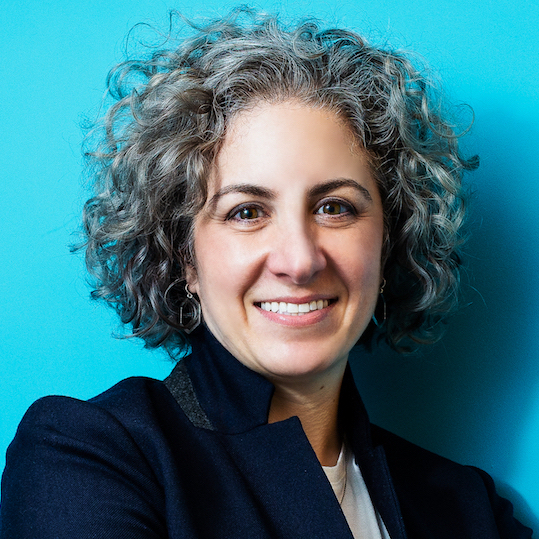
This is my dad. Bob Neaderthal ran a solo medical practice for 30 years, and I've been telling my clients about him for about as long as I've had clients. I recorded this a year ago and then sat on it, because I couldn't find the one clean theme, and because a conversation between me and my dad felt like the most exposed thing I've put out. We get into boundaries, efficiency, keeping the same staff for years, and the job interview where somebody told him that doctors sell every day.
What you'll take away
- He always thought of the practice as a business. He was the one dealing with insurance, paying rent, hiring and firing. He says plenty of doctors call themselves terrible businessmen, and then they go and prove themselves right.
- He stopped taking patients who smoked. Toward the end he gave them a year, and said that after that they'd need to find another doctor. Most of them stopped. Watching that is where I learned you have more say than you think about who you work with.
- Read the rules and follow the rules. I've been quoting him on this for years. He read every Medicare bulletin, kept a record of what applied to him, and later built a cheat sheet and handed it to every other doctor in the company.
- A slide projector only shows one slide at a time. When somebody goes quiet on you, that one slide is all you can see. There are a hundred others sitting in there, and you aren't looking at any of them.
- Some influences can't be tied up with a bow, and that's why this took a year to come out. I kept hunting for the clean theme and couldn't find one. What you get from the people who shaped you is woven in too tight to pull back out.
In this conversation
The full transcript, in sections. Open any one to read it.
Why I sat on this one for a year
0:02
He said, Why didn't you go into business? Why did you choose medicine over that? And I said, because I didn't want to sell. I just wanted to be a doctor. I didn't want to sell. And he said, he said, Don't you think that doctors are selling every day, anytime you convince someone to take a medicine, to have a test, to have surgery, don't you think that's in the literal sense, that's selling something on an idea.
Welcome to the smart gets paid podcast with me. Leah Neaderthal, I help women land higher paying clients in their independent consulting businesses, but I've never been a salesperson. My background is in corporate marketing, and when I started my first consulting business, I learned pretty quickly that it's about 1000 times harder to sell your own stuff than it is to sell someone else's. So I taught myself how to do it, and I created the sales approach that I now share with my clients so they can feel more comfortable in the sales process. Get more of the right clients and get paid way more for every client contract. So whether your client contracts are $5,000 $100,000
or more, if you want to work with more of the clients you love, do more of the work you love, and get paid more than you ever thought you could, then you're in the right place. Let's do it together. Thanks for tuning in, and don't forget to rate, review and share. Hey there, Leah here, and thanks for tuning in. I hope that wherever you're listening to this, wherever you are right now, that you're having a good week, making some good progress on your business and taking some time for you. So if you've been listening to the podcast for a while, you know that sometimes the episodes are where you're listening in on my calls with my clients, where we're solving their business development challenges, and some episodes are where my clients come back and share their successes and then the lessons that you can apply to your business. And then sometimes I have on people who I've learned a ton from, and who have been important influences for me, and we talk about what I've learned from them that I've applied to my business and that I can share with my clients. For example, I had on Dr Deborah Tannen, whose books and writings around sociolinguistics really helped me understand why selling felt so uncomfortable and how to fix it. That's episode 36 and I had on author Rachel Simmons, whose books about being raised as quote, The Good girl, helps me understand how our experiences as girls show up and then play out later in our businesses. That's episode 43 and so in this episode, I have a very special guest who influenced me and my business. He ran a successful small business, a medical practice, for 30 years, and he's someone who I learned so much from that I've brought into my business and a lot of lessons that I also share with my clients. He also happens to be my dad, Bob Neaderthal. I actually recorded our conversation about a year ago, and I've just sat on it since then, and every time I've gone to edit it in the past year, I've gotten the same feeling. And I got to tell you, even though I've done episodes where I expose all my issues, right? I talk about my mistakes, et cetera, this episode feels particularly vulnerable, like I feel particularly exposed. Even up to a few weeks ago, when we were prepping the episode, I actually sent my team member a voice message where I wasn't even sure I was going to publish the episode or not. Here it is, hey, so I'm working on a podcast episode, and sometimes the episodes are where I talk with people who have been like, big influences on me. And I did an interview with my dad where I asked him a bunch of questions, and I sort of shared with him, you know, what I learned from him, and running his business for 30 years, and I'm editing the episode now. It feels here's here's. The problem. The story I'm telling myself is that this is nobody else is going to want to hear this. It's not going to be interesting to anybody else, because it's just a conversation with my dad and me. And, you know, I mean, I guess I'm just, I'm already talking myself out of it, and I'm just, I'm just telling myself, like, why would anybody care? You know, can you either give me a different way to think about this, or just tell me to do it anyway. Yeah, tell me what you what you think. I think maybe I also feel even more vulnerable than usual in this episode, because if no one listens to it, or I guess if no one likes it, it doesn't just reflect on me. It's not just about me, but I'm putting my dad out there too, and I eventually decided to do it, because why not? Right? It's different, it's honest, and it's me, and I know that the lessons that my dad shared with me about running his business will be helpful to someone else listening too. Maybe you so take a listen to my conversation. With my dad, Bob Neaderthal, and at the end, I'll come back and share a lesson that you can apply to your business. So you might have noticed that with the economy being as it is, things feel a little shaky. Referrals are slowing down, budgets are getting cut, and clients who you thought would say yes are saying no or not right now. And here's the thing, in this economy, you can't run your business by waiting for referrals. Clients just aren't going to swim into your net. You have to be intentional. That's why the best way to protect your business today and for the future is to have the two systems that every consulting business needs, a marketing system to bring the right clients to you and fill your pipeline, and a sales system to help clients say yes and get you paid more. But it's not just about getting clients. It's about security and stability and making your business sustainable no matter what's happening out there, smart women are doing this right now, even in this economy. They're winning their biggest contracts, filling their pipelines, and their businesses are growing, which lets them do things like build up six months of family savings a lot sooner than they had planned, or go from having one to two months of revenue booked to having eight to 10 months of revenue booked, or getting to the place where you're able to pick and choose your clients and say no to the ones that aren't perfect. These are real results from women in the academy, because this is what we do inside the Academy. We help you build the marketing and sales systems that make your business and your revenue more stable, more secure and more sustainable. So if you've been in business for at least two years, if you made at least 120k last year, and if you want your business to feel secure no matter what's happening in the economy, join us. Apply today. It's marketspay.com/academy we get started on Monday, February 9, because you can't control the economy, but you can control what you do about it. All right, Dad, thanks so much for joining me. You're welcome.
Thirty years, and how he started
6:59
You're welcome. My pleasure. I've been looking forward to this for a long time. Oh, good.
Tell you about myself. I'll I'll drive. Okay, okay, let's start with something really easy. What's your name? Bob Neaderthal, and usually we start these with a little bit of background, you know, tell us about you. So how long have you been my dad?
As long for your entire life, 40 something years, 4242 years. Okay? I remember the day you were born.
Do you really know?
Okay, so you were a doctor for you ran your own practice for how long?
30 years, 30 years I was I worked for some other doctors for a year or two, and then I struck out on my own. And how
old were you then? About 3332 something like that. Yeah, but you just been a doctor for two years,
done on my done all my training, and had was finished with all my training. Married your mother, and I was 30
at the time. Yeah, okay, wow. How did you know this was something you can do? Go out on your own, start your own practice.
I don't know how I had the confidence to do that. I just knew that working for someone was not really what I wanted to do.
Well, so did you ever think of your practice, or to what degree did you think of your practice as a business? Because the way I describe you, like when I when I started talking about you to my clients, or, you know, other colleagues, or whatever, I say, my dad ran a small business for like, 30 years, and his service was like, doctoring, right? He was a he was a doctor, but it was a small business. Did you think of it like that?
Yeah, yeah. From, from the time that I left that group, when I was on my own, I always thought of it as business. People say, Well, it's not really a business, it's a profession, but professions, you know, have to live and have to survive and have to eat and have to live, and so, yeah, I always felt it was a business in that, being a solo practitioner, I was not only in charge of taking care of people and their health, but also dealing with insurance, dealing with finances, paying rent, hiring and firing people. So yeah, it was I always thought of as a business. And I grew up in a business. My father was in a small business that became a larger business, but the things that he taught me helped me accept the business, part of it, a lot of doctors say, Well, I'm a terrible businessman. And that's unfortunate. That's unfortunate.
Yeah, it's like, if you go into that with that mindset of, I'm a terrible business person, terrible businessman, or
whatever they will, they will prove themselves. Truth telling, yes, right, right?
And I hear a lot of that, actually, with my people, women I work with, who say, I'm just not a salesperson. I'm not good at the sales. Art or whatever. I mean, of course, I tell them that this can be learned. Anybody can learn it. You might not love it, but like you can be good at it, but you have to, at some point believe Okay, and sort of surrender to the process. Yeah? Right. This is, this is necessary to run your business,
right, right. I had a very close friend who was also in solo practice, internist like myself, and he and I would cover on weekends, and he would often tell me that the frustrations of business, he said, I would always laugh when he said this, but he would say, I hate my job. And I would say, How can you say you hate your job? If it's if you hate your job, it's your fault. You can change it. You can make it enjoyable. You can look for the for the enjoyable parts of it. And that's what I always did. And I think that's what anybody in business. There's some there's some scut work, and there's some some glory. And you look at the I've always been an optimist, and the thought, thought of the glass is half full. So this, this succeeding in in my practice was part
of it. Yeah, I think people see the business part as separate from the job. Like, you know, your job being that you made people healthy and whatever, but like, it's all part of the job, if you're in private practice, yeah, yeah. Well, what do you love most about running your practice?
What he misses, and the notes he kept
11:24
I think that is represented by the question often people have, which is, when I retire, they say, What do you miss your practice? Do you miss being a doctor and practicing medicine? And my answer is that I miss the people that I interacted with, not just from their health standpoint, but from their family standpoint, from their lives, I often would when I saw patients, and would, we're talking to them not just about their health, but about other issues I would or other other parts of their life. I would often make notes in their record about that, and then, you know, three months later, I'd walk in the room and see them again and say, how about that new grandchild? And and they'd say, Gosh, how do you remember all that? Well, I write it down. I don't remember all of it. I don't remember any of it, but I would look at that before I walked in the room. And, and they thought I was that I just remembered everything about them. It was a lot of fun. I enjoyed doing that kind of growing up with with people, and then seeing their children as they became, I didn't take care of children, but as their children become, became teenagers and wanted to see adult doctors, I would often see their generations of families.
Yeah, that's nice. That's nice, well, and I love that example, because something like that writing down, okay, you know, had a grandchild or or some other milestone, or whatever facts about them is, takes no time and is totally, you know, free and available to you just make notes, right? And it's something that's that means so much to them, right? And really changes the way they feel about you as a you know, I think they can, people. Can, you know, trust that you are a good doctor, right? You can like make them healthy or keep them healthy, but it's nice that they really like you,
right, right? And nowadays, this is all before computers. Nowadays, everything is on computer. You can easily save that kind of information. The problem nowadays is that that doctors are from the time of the beginning of the visit to the end of the visit, are staring at that screen and and I know a lot of a lot of my friends who are not doctors would like tell me they would like to say to the doctor, hey, I'm over here. I'm not right there.
Yeah, yeah, yeah. I mean things a lot has changed for sure. So you're in your practice for 30 years. There were likely some ups and some downs. What was the most difficult time in your business? Can you tell me about that?
The year he sold the practice and took it back
13:58
Oh, yeah, about two thirds the way through those 30 years was a time where many doctors sold their practice. I don't know if you remember this growing up, but I sold my practice to the hospital that I was using, and they bought up everybody I knew in their practice and and what they said was, you don't, you don't have to worry. You won't have to worry anymore about sending bills out and collecting and dealing with insurance companies. And what I found out was that was only part of the sentence. The full sentence is you won't have to worry about any of those things, and neither will we and they and so as soon as I saw the practice, I noticed that insurance claims weren't filed correctly, and so the hospital wasn't paid. They would make that from that mistake, then they would turn around and send a bill to the patient, and the patient would call me and say, You. You never sent me a bill for that. The insurance always covered it. And so it created such ill will that after a year, I took my patient my practice back, and that whole process of taking my practice back, since I was the first one in a group of maybe a dozen solo docs that took their patient, took their practice back. I was the the one that they fought the hardest after, after I got my practice back the hospital, after a while, realized that they just weren't very good at running a practice, and so they kind of opened the cage door and told all the birds to fly away and gave everybody else their practice back. But for me, it was very stressful to deal with, with hospital administrators that were that did not want me to take that practice back.
Yeah, well, and it's funny, I'm glad you said more about that, because when you just sort of said I took my practice back, I mean, I remember that there was a lot. I mean, you had to, you had to wrestle it back from from the lawyers, basically,
right, right? Yeah, it's not easy. And and we went on a vacation during that time, and I was just miserable. I got I was depressed, I was apathetic. Didn't you get an Oh yeah, right. I had a bleeding ulcer at that time. Oh yeah, it was I remember just going into my bedroom and lying down and staring at the ceiling and just, you know, doing nothing. It's depression. I was depressed, but then once I took it back, that all just went away. It was just a situational depression,
right, right? Well, and it shows, you, know, just how much stress can affect you. I mean, were you because I was a kid, right for most of this time? But were you stressed out? Did you from day to day? Would you say that you operated under a level of with a level of stress, or because I didn't? I don't remember seeing that, but you know now as an adult, I know what it's like to run my own, my own business, right? And, yeah, so about that?
Yeah, I think I was, I was always under a certain amount of stress. I I joke that that in in the finance part of the practice that I was and I would, I would joke about this and say, on, the first of every month I'm poor, nothing had come in. I knew I had all these bills for rent and salaries and things like that, so I knew the expenses were there no matter what. But nothing had come in. And then insurance checks and other things would come in, but, but I used to use that expression that every first of the month I am poor, yeah,
that's really stressful.
That's stressful, yeah.
What do you remember about being a working parent? Right? Like running your practice when Ariel and I were young,
I always felt a certain amount of guilt that I was that time away from, from you guys, was was, and not just away from the house, but even when I was at the house, in in my study, doing, you know, writing checks and doing the business part, I I felt a little bit guilty that I was not able to spend as much time as I would like,
yeah, you i A few years ago, I remember you were telling me that you felt like you missed a lot of things, you know, like games and practices and, you know, yeah, never Yeah. But do you remember what I said then,
that you didn't feel like I did.
Yeah, I don't remember that at all. Yeah, yeah. Well, it's good
that your memory is not so good. Mine is not so good either, but I do remember those, those things, and so there was a little regret in that, yeah, yeah.
Well, so being over here on my side and watching the practice, and, you know, watching you running the business, I feel like I learned a whole lot. Can I share with you what I what I learned? Okay, this is like, I guess, you know, telling the lead singer what songs he you know, you like theirs, but I learned about boundaries from you. So I remember a few years, or, you know, I remember at some point you stopped taking patients that smoked. Can you talk about that decision?
Where I learned about boundaries
19:35
Yeah, I initially, when I was taking care of patients early in my practice, it was a matter of identifying diseases and treating the diseases. But as my practice grew and I realized that that so many diseases were should not be treated at their end point, but should be prevented diabetes and. Its relation to obesity, emphysema and its relation to smoking, lung cancer and other cancers in relation to smoking. And I began to I began to focus on those habits and those measures and those risk factors. I created a kind of a mini specialty of cholesterol treatment, and treated people with high cholesterol very aggressively smoking, smoking, I felt like was, was a was. I felt that it was a habit that could be broken and that people could be coaxed one way or the other, convinced that they should stop. And about halfway into my practice, I even became very aggressive about that, and directing people toward just smoke cessation programs, reminding them over and over again, I guess nagging them when they came to the practice they just want their prescription refilled, and I'm talking about smoking that they really enjoyed so and the and so i i I continued to press that, and I found that a lot of people stopped. There's kind of a, it's kind of like any position of authority. There's a bully pulpit, a certain authority that if you tell someone to do something, a teacher, for instance, if a teacher tells you something, you believe it. And if, and if a doctor says you've got to stop smoking, rather than, you know, it would be a good idea that for you to stop, if you're very positive, very persistent, I found that a lot of my patients were stopping. And finally, toward the end of my practice, I gave people an ultimatum, and and said, you know, if you, if you haven't stopped smoking by the end of the year, you're gonna have to find another doctor. And, and did they leave? And and a few left, but and a few, and many stopped and and a few didn't stop. But I liked them as patients, and didn't want to fire them. And so I, when I, when I ended my practice, I figured I probably had maybe a dozen patients who still smoked, and that was about it, out of dozens that smoked before then I tried that with obesity. And obesity is much harder than getting people to stop smoking. I was not very successful with not as successful with that. But you know, other habits as well. I and and by treating cholesterol so aggressively, I don't know, I thought I didn't have as many people with heart attacks and strokes as other people. It's hard to gage whether you're successful when you're preventing something, because when you're successful, nothing happens. They don't have a heart attack, they don't have a stroke, right?
Right. Well, I just thought it was so cool that when I think about, you know, your ultimatums, and you're not taking on patients that smoked, you know, looking at it through the lens of what I'm doing now, I mean, I it was so cool to see that, and just this idea that you you could make a decision like that, you know, you don't have to take everybody who comes your way. It's not like anybody who walks through the door. You have more power than you think, not just because you want to, you know, throw your power around, but because you really care about your clients, and you want to work with the clients who, you know, work with the patients that you can actually help Exactly, right? Yeah, and that's something that I have brought into my work, right? And I share with my clients, because they often feel like, you know, they have to take anybody who comes their way, or they they don't feel like they can establish or keep boundaries, because the client has all the power, or whatever. And so, you know, I try to tell them like, you are in charge. You are in charge of your business. And you can say, I don't. I only want to work with people with these things in place, right? Or, or I work with a lot of people who do diversity, equity and inclusion work, you know, dei work, and they say, I don't want to work with people who with clients that just want to check a box and say, like, we did the DEI workshop and we're done right, yeah, but yeah, but they're afraid of declining note that work, that work right, because who knows what else is going to be out there. But I think you know, one of the things that we work on then is like, there is more out there. There are more of the people that you want right, more of the clients that you want. So anyway, I thought that you know that always really spoke to me that you had made that decision and stuck to it. I also remember seeing you in your practice with this, like maniacal focus on efficiency. Can you? Can you speak to that? And how you, I don't know how you approach that, that aspect of your practice,
Read the rules and follow the rules
24:42
one of the things the business part is, is not only that a lot of doctors aren't very good at it, but they recognize they're not very good at it, and they and they really dislike it, rather than than approaching it, dealing with it and and succeeding. I we can get to this later, but when I got my MBA, and I did a little. Bit of consulting for business, for medical business, people would would would say, I'm just, I hate the dealing with Medicare. They send you these things every, every few weeks, these newsletters, and I haven't read one in years. And the doctors that we're saying these are doctors, right? Doctors in solo practice. Okay? So they don't have a business manager. They can't afford a business manager who does all that, reads all that, and then interprets it and does this for the whole group, just one doctor and usually a nurse and a receptionist. That's it, okay? And and I, early on, I began to realize that that that is much as Medicare sends a lot of information out, if you can identify very quickly what pertains to you and read it every day. In other words, read the rules and follow the rules.
Okay, wait. Can we just pause for a sec? Because that I always cite that my dad says that there are only two instructions for anything, two steps for anything, read the rules and follow the rules,
right, right? And it's, it's not that difficult, but it does take a little bit of thinking. How does this How does this rule that I've just read? How does it pertain to me? How can I follow it? How do I deal with it? So what I would would do is read these, these, maybe a page of new Medicare rules, and then kind of summarize it and keep a record of Medicare rules. So when you're talking about organization and efficiency, I would transfer information from one thing to something that pertains to me that I can read, that I can refer to, that I know exactly where it is. Later, when I gave up my practice, I was retired for one year, and then I flunked retirement and began totally failed retirement. Yeah, and I'll tell you about that in a second, but I was working for a company that had that did prior authorization for imaging studies, for CT MRI PET scans, and when, when the cases were reviewed by the doctors, they would decide on if it was if a case was going to be denied. They had 1000s of review of denial rationales, and you would pick one denial rationale by number, and put it in to the computer, and that would go out to the doctor, which would say, we can't approve this study because so and so.
This is you. This was you. And the other I remember, this was like a lot of retired doctors, right as the people working at this company who would review the request, and then you would send it back to the doctor who had requested right study, and
if the doctor disagreed, he could have what's called a peer to peer telephone call. So he and I would talk, or she and I would talk about the case. And sometimes the denial was overturned once we got more information, okay, but the denial rationale were these 1000s of numbers, four digit numbers, which referred to why a case was denied. And doctors would have two screens, one with the case and one with the denial rationales, and they would kind of thumb through all these rationales every time they reviewed a case, and I immediately realized this is a tremendous waste of time. And I created a cheat sheet of denial rationales, which were the main ones, the ones that were used mostly and and I just shared that with all the other doctors. Now this company started. I was the 12th Doctor, 12th medical director that they hired. And by the time I retired seven years later from that company, there were about 400 medical directors. I mean, it grew like crazy, and they were hiring specialists all over the all over the place. And with all of those, their efficiency improved when I convinced them to use this little cheat sheet. So I did this with Medicare, and I did this with with dealing with other insurance companies, and with this, with this other company, the authorization company, I'm just, I just try to try to re rearrange things in an organized way that I can be more efficient. Yeah, well,
and also, what you, you've alluded to is, if I solve a problem for myself, I'm gonna, what can I do to solve it for other people? Which I think is very cool. I'm only this was not in my notes. I'm just sort of picking that up and and it's cool. I mean, I feel like that's something maybe I picked up from you too. You know, you've done that with you did that with Medicare Part D, right? Medicare Part D, where you What did you like have a little calculator?
Or when a Medicare Part D came out, which is about 10 years ago, I thought there must be some organized way of doing, of entering medicines and finding the best plan for Medicare recipients,
because otherwise, people are like doing it on their own. You know, you. These people who maybe may not be tech savvy, right, going on the website and trying to figure
it out, right, right? And what I found was, rather than developing that, which was extremely difficult, developing it myself, I found that on the Medicare website, they had a little program called Find your plan. You would go in onto the website, go into the the module, put in your medicines, and put in the drug stores you want to go to, or that you would consider, and then up would pop a listing of all 25 plans, from the least expensive or the most economical to the least Oh, to the most expensive or least economical, and with the exact same medicine, sometimes there was 100 fold difference in pricing. And if people just take a chance, or they'll sign up with whoever has an ad on TV or something they mailed, if they pick a plan at random, they could very easily be paying 50 100 times more for their medicines than if they went through this process. Well, you're right. A lot of Medicare people aren't tech savvy. Now, 10 years later, a lot more are. But then there were not. And so I had not only helped my pay some of my patients select the best plan. But then I went to Jewish Community Center and had a little program and helped people individually and other other not for profit organizations that I would help, and people would bring their medicines in, or they'd bring a list of their medicine and I would help them. And now, 10 years later, I still do that. I just do it online, or I do it on by telephone with covid people who wouldn't do that. So So I still do that, and I still help a lot of people select the best plan and from one year to the next, and there's a certain amount of inertia to stay in the same plan. And what I found is that maybe 75% of people who give me the same medicines that they were on last year ought to change plans, because the plan that was the best plan for them last year is not the best plan for them this year,
right, right? So you're really helping them. I mean, I just, I don't know. I'm just sitting here sort of soaking it all in and that, you know, just this desire to once, as soon as you learn something to how can I use it to help other people, or who else might have this problem as well?
And vitamin D, my vitamin D phase?
Yeah, what was that phase? I
decided I was doing some research in early, I guess, latter, part of my practice on vitamin D and as and I was convinced that it doesn't hurt and it can help a lot of people, and that there's a tremendous amount of vitamin D deficiency in Nashville. And so I began screening. When I do a physical exam, I'd screen people for vitamin D deficiency. I found a huge number of people had vitamin D deficiency, and and treating it is very simple and very inexpensive, and so rather than have all of them come back for an extra visit and have me talk to them about it, I would have classes, and I'd invite about six or eight people to come to my office at a certain time, and they would sit in the waiting room, and I would talk to them about vitamin D and give them a little handout. And that was, it was, it was fun and, and probably there's still people taking vitamin D that from from that, and that's been probably 10 years.
Yeah, that's, I didn't even know you did that. I remember the vitamin D phase because you talked a lot about vitamin D, but I didn't know that you had those classes. That's really cool.
Going back to the smoking, I wanted to jar your memory to see if how you felt about or remembered about. This was the posters.
Yeah. My God, I totally forgotten about those. Yeah. Those posters were graphic.
They were they were very they were humorous, talking about the effects of smoking and certain other effects too. In fact, you gave me one that was an ad, not for smoking, but for drunk driving. Do you remember that it said, if you didn't get the lecture, if you didn't, don't remember the lecture on drunk driving? Here's the outline, and it was an outline of a person lying on the ground, who is, who had been, was dead. You know, just the outline, yes, and, and I think I still have
that poster. Oh, my God, I totally forgot about that. Yeah, that was from
your, your business, that when you were working for DDB, and that was one of their ads posters.
Oh, wow, yeah, because, because Anna Bush was our client, and as part of their advertising, they have to put money towards, you know, anti drunk driving, yeah, oh, my God. I totally forgot about that. I was just thinking about the posters that were like, so graphic, like there was a one one poster, I think it was a woman smoking, and it said. What happened on the inside? Also happened on the outside? Would you still smoke? And it had this woman looked like she was covered with basically, like tar. It would, I mean, mixed with some sort of, like, other material. Oh, it was so gross.
Yeah, yeah. Some of them were funny and some of them were not so funny, but they were all very poignant about about you wouldn't walk down the hallway, going to an office, into an examining room in my office without knowing where I stood, about smoking, right, right?
Influence you never find out about
35:34
Leah, it was well, and it's, it's really interesting, because I just finished this book about influence and not about, like, how to have more influence. It's kind of about, you know, you have more influence. That's the title, literally, is you have more influence than you think. There are ways that you might be influencing people that you don't even know. And one of the things is, you know, we think of influence as like when you are trying to convince somebody right, kind of like when you were speaking to your patients who smoked, asking them or compelling them not to smoke, but there are probably a lot of people who walk down that hallway who didn't smoke, or maybe used to smoke, or have a relative who smokes, or whatever, and they saw that too, right? They picked up on those things too, and we'll never quite know what the influence was of those posters on other people that you just by accident, right? Just sort of by picking it up. So, yeah, but it was very, very clear where you stood on smoking well, and just going back to this whole, like, taking what you know, and sharing it with other people, you know, I think about back to the chain link. Remember that cycling website that I started, yeah, yeah. So, you know, I didn't have anybody to ride with, and there was no centralized place to find that or to find anybody. And I went on the AIDS ride the first time and came back, just so pumped about right, you know, cycling and all of that, and I still couldn't, still couldn't find anyone to ride with. So I tried to solve a problem for myself, which is, I started this website, you know, which is kind of a centralized hub for the cycling community in Chicago. And then it really took off, because if you solve a problem for yourself, you're probably solving it for somebody else, right? And there are a lot of people who needed someone to ride with, or just wanted to be connected to a community. So I guess maybe I picked that up from you along the way. You know another thing I definitely know that I picked up from you, because I think I remember speaking, I remember talking to you about it was you approached your patients with, I think a deep understanding of you might not know all of the things going on in your world, but what they were showing you in the office wasn't the only thing right, like not wasn't the only thing going on right? I can you talk about that?
I tried to find out more about about their lives, their children, grandchildren, what's important to them. But then, often, when a patient died, I would go to their funeral, and when you do that, you realize how much about that person you didn't know. You know, it's just they things that they had accomplished in their lives. They're part of their history. So, you know, I would try to find out more than just their medical illnesses and how they're responding to medicines and things like that. But then when I go to a funeral, I realized you haven't even scratched the surface on on learning about people. So yeah, I would, I would try, but could always do better.
You don't know what else is on their plate
38:41
Well, I just remember at some point, maybe high school, talking to you about something, and you said, you know you're I think what your point to me was like, you're just kind of making an assumption, right? You really don't know what's going on. You're looking at face value. And you really don't know what's going on in this person's life, right beyond the surface. And yeah, that really stuck with me. I mean, it's literally something I teach my clients today, like I work with a lot of women who will say, you know, they're offering their services, they're selling in their services to these companies. And they'll say, you know, they're not getting back to me. They I must have done something wrong, right? Or I must have something wrong, or they're I upset them, or, you know, all of these things that they make up in their you know that I don't want to say they make it up, but like, they're inclined to believe that the default is on them, right? And, and what we talk about is like, listen, all you see right now, in this moment is like, this person who you wanted to get a response from is not getting back to you. You know, in the in the time that you want, what you don't see is all of the things that could be going on behind the surface, right? And I use this, this analogy, remember, like the slide projectors, right? They have these little donuts of slides, right? I always talk about the slide. Detector, where, you know, a slide drops down, and the light shines through the slide and and it, you know, you you see that slide projected on the wall. But while it's showing one slide, it doesn't show any of the other slides, right? It only shows one slide at a time, yeah, but there are so many other slides so, you know, and I think back, literally, back to this conversation, like, when I this conversation with you, when I talk to them, because, like, I bet, and I say this to them, I'm like, I bet, if we sit down, we could come up with 100 things going on in their life that we we don't know, right, that they could be stressed out about something. Maybe they are having money problems. Maybe they are trying to get their kid into college and they're distracted. Maybe they're maybe something's going on at the company, different initiatives, different maybe their boss is leaving and, you know, all of these things. Maybe they're taking care of an aging parent. May, you know, for all of these reasons where it takes a little bit of imagination, but we have to just acknowledge that, like we're not seeing the whole thing. And so we shouldn't make assumptions. We shouldn't make judgments based on that, and that's definitely something I got from you.
Yeah, yeah. Well, when we have friends or people we know who it turns out are getting a divorce, and there's a tendency for people, for someone to say, Well, gosh, if it can happen to them, it could happen to me. And I tell your mother, who often says that we don't know a thing about what goes on behind those doors and what, what's the basis of this? It could be a million things, and chances are, whatever you think it is, it's not because there's just so many other reasons that that, that that happens. So, yeah, you you don't know what's going on in other people's lives.
The same two people, for years
41:40
You're not going to catch divorce, right, right? Yeah. You know, another thing that I always marveled at is that you had the same employees with you forever. I mean, Margie and Octavia were part of our family. You know, a lot of the women that I work with are either hiring their first employees or first team members, contractors, what have you, or building a small team. And can you talk about, you know, having these, having employees, and what advice you would give?
Yeah, in fact, a few days ago was my birthday, and Margie, who is my receptionist, up until 10 years ago, called me to wish me happy birthday. Her daughter has the same birthday as mine, Abby, and I usually email a happy birthday to Abby, who doesn't even know me. Yeah, it's she was, she was like, family really, she was
Octavia too. I mean, I just feel, yeah, well,
Mark, 111, thing we when we were talking about Abby, whose birthday is the same day as mine, who is now married and lives in Memphis, she reminded me, as she often does Margie, that when she was in labor, that I left the office at the end of the day and went over to the hospital and got her to sign a deposit slip and and the doctor who was there said, Who is this guy? What is he doing in the delivery room? But so we left, oh,
man, all right. Well, not maybe, you know, I take back what I said on boundaries.
That's the only time I ever went beyond boundaries. But yeah, Margie was with me for about 15 of those years, or maybe more. Octavia was for even longer, and, and, and, I think it was, I don't know that it was the pay that kept them there, but they, I just, you know, treated them like family members, with respect, and there's a tendency for physicians to have a very high regard for themselves, to the detriment of other people they deal with. And I've never felt that. I've always felt that, you know, I'm working and they're working, and we're all on the same team and working on on things. When I was consulting with other physicians after I had gotten my MBA in healthcare, was that how expensive that is to turn over staff, not only in terms of having people who are inexperienced doing jobs that they have not are still in their learning curve, but in terms of mistakes that are made, people who are who are brand new, make more mistakes. And so some of the people I've consulted with have have changed over employees every few years, and and it's it's costly, it's dangerous, and they should try not to to do that if possible. Now, there was a downside to this. If all this was pro that they stayed for such a long time, there was a downside, and that was that every year or so, I gave them a raise. And by after 25 years. They were, they were making pretty good salary. And when I retired from practice, one of them, she got a job, but it was nowhere near what she was making before. And so I had kind of priced her out of the by, by giving her raises, priced her out of what she was really skilled to do. One of the advantages I want to mention about having a an employee for a long time is if you remember the TV show mash, okay, well, maybe your older customers might, but there was a character called radar, and radar was kind of the assistant of the main surgeon, and he knew the surgeon so well that whenever the surgeon would ask for some would before he would ask for something, radar would hand it to him. And sometimes he would finish the sentences that he was, that he was saying. I mean, he was just a person. It was, it was very amusing, but that was kind of what my staff was. They, they knew what I wanted often before I even wanted it. Amusing for those who remember mash, I mean, I never knew. I never knew she was going to stay that long and that I was going to abruptly, stop practicing.
Did you stop abruptly? Would you say it was abrupt?
Well, I mean, I had moved my practice to another doctor's office and work part time for a year, and then she took over my practice. So it wasn't an abrupt change, but it was I had really not planned in my mind to work until I was very old. I had an uncle who was a doctor, and he practiced until he was in his 80s. At one point, a friend of mine who was older than me had stopped his surgical practice, and I met with him one one day, and I said I really would like to retire before I get to the age that my uncle is still practicing in his 70s, 80s, something like that. What would you recommend? And he said, Well, I understand what you're saying and and I think the best way to do that is to go to business school and get a business to get an MBA degree in healthcare, and then you can do a lot of things that you can't do right now. That afternoon, he called me in the office, and he said, you've got an interview at one of the the healthcare business schools in Nashville, and within a week, I was taking classes.
Have you ever? Had you ever considered that before? No,
wow. But during that time, during the two years that I was getting my MBA in class with discussions it would be I tapped into a lot of the experiences that I've had in my own practice. And so it helped me with it helped me run my practice. It helped me deal with my practice, and it also helped me in business school to use experiences from from my practice and that curriculum particularly not just the economics and the finance and statistics and things like that, but there was a course in conflict resolution and negotiating skills, which probably was the best test, best course I took. I mean, the beginning of the class, the woman said that was teaching said you probably everyone you interact with is probably a negotiation, whether it's with your children or with your spouse or with colleagues or whatever. It's always a negotiation. And and that's true. That's true, yeah.
Well, so what do you think you you know? So you like the you like the negotiation, the Contra conflict resolution. What else do you feel like you brought back into your practice from getting your MBA?
I'm not really sure. I think those two were the main things that I learned?
Well, I remember that one story, or one little nugget that you got from business school was you, it was all about, like, cost benefit analysis and, Oh yeah, yeah, you asked me, Do you know what I'm going to say
about Michael Jordan? Yes, yes. In fact, I thought about that yesterday. The this was an economics thing. There was a question on in an economics books book that said, What was the question to get? Oh, the question was.
Should Michael Jordan mow his own grass
49:31
Michael Jordan, yes, I have heard that question about 85 times,
and, and, and this whole discussion about cost benefit analysis, and it's, it's clearly not worthwhile for Michael Jordan, whose time is worth, you know, 1000s an hour to cut his own grass, except if he enjoys cutting the grass, right? Yeah, and and enjoy it. They, they, you know, you're, you're, you can put on headsets and. Be with yourself and and nobody's gonna bother you. So if you enjoy it, yeah,
go for it. Go for it. I have, I have repeated that story several times. I mean, I think it's so of its time because, I mean, should Michael Jordan, like, who talks about Michael Jordan, who knows about Michael Jordan, right? But, you know, should Michael Jordan mow his own grass? Is a really nice opener for, you know, I work with a lot of women who are doing everything in their business and are starting to hire people or delegate or offload or whatever, and it's like, well, where do I begin with that? What should I bring somebody on to do? And, you know, so we have to think about like, what are the things that that really only you can do, and what can somebody else do? So, yeah, that story has lived on, very much good, very much.
So that's, that's a good story. I've always felt that, that I've been very lucky in my in my life, in terms of schools and colleges and residencies and things. And it wasn't always easy going, but it was, it was always headed in a positive direction. And I often wondered when it's going to stop. You know when? When things are going to turn around and and have bad luck? And so far, it hadn't
knock on wood. Yeah, well, and, and, what's your favorite saying? Now, what is about luck that you
invest all the time? Luck comes to the prepared, and that's if you Google, that a lot of people have said it or said it in different ways. But basically it's, it means there's, there's really no luck. You have to create your own luck, and by doing things, doing things the right way, maybe a little bit of luck kindness. You know, I think one of the things I learned in business school is, is, is to and part of negotiating is that at the end of the negotiation, you preserve the relationship that you don't negotiate to the point of killing the other person financially or any other way. It means that you treat them fairly and and you pay your bills, and you
are a good person, yeah, yeah. I mean, that's important in any in any negotiation, both sides, you know, you have the right to negotiate. And I say this to my clients, you have the right to negotiate for something that's advantageous for your business. And in this case, with them, like, then they're going to work together, right? Right? You have to always be thinking about the relationship, but not in not to sacrifice something that's also going to be good for you and your business. Yeah. Well, so I want to go back to our family's history, because we, I think we're kind of unique. There's a really strong entrepreneurial history in our family. Your grandfather started Goldner associates, which, as at least as the story has been told to me, started as jewelry, then medals and like pins and, you know, swimming, meat, metals and stuff like that. And it evolved to advertising specialty, which is where it still is today.
My father, my grandfather, had a jewelry store, and then opened a second jewelry store. And around the time that my mother and my father married, my grandfather, this is my mother's father brought my father into the business, so he began running the jewelry stores, and then my grandfather had a heart attack and died. But, but, but the jewelry business, there wasn't a lot of future in that part of the jewelry business. There are still jewelry stores now that are thriving and doing well, but the but many of them disappeared and and I kind of think of something that that they alluded to in the in the in business school, talking about buggy whips, how there were companies making buggy whips in the early 1900s and those that decided to start making internal combustion engines instead of buggy whips are still around. And those that persisted making buggy whips, nobody's heard of them. They're gone. Okay, so going from a sideline business of advertising specialties, and particularly he had made, this is my father made contact with a company in Taiwan that made cloisonne, which is a very vivid painting on. On on brass and on other metals, and he helped that company begin to create swimming metals. And so he would make gold, silver and bronze colored swimming medals that were customized to the club that was that was hosting the metal, hosting the swim meet, and he began doing that, and that became a huge business. And then he went into other things, parts of advertising specialty, but he was the business was constantly changing.
So you didn't want to go to the business.
The interview that ended early
55:36
Why? That's a great question. Because I, when I graduated from medical school. This is one of the big mistakes of my life. When I went graduated from medical school, I had an interview, I think, Boston University, and the interviewer said, Why did you go into into medicine? Was your was your father a doctor? Was your mother a doctor? And I said, No, my uncle was a doctor, but my father was not a doctor. He was a businessman. He was in the advertising business. And he said, Why didn't you go into business? Why were you Why did you choose medicine over that? And I said, because I didn't want to sell.
That's so funny now, considering, like, what I teach,
I said, I don't want to say I didn't want to sell. I just wanted to be a doctor. I didn't want to sell. And he said, he said, Don't you think that doctors are selling every day, selling to their patients. Anytime you convince someone to take a medicine, to have a test, to have surgery, to Don't you think that's that's in the in the literal sense, that's selling something on an idea, or on something that you think? And at that point I said, I think this interview is over. I am not going to this residency, into this residency at this place, because that was the
wrong answer. And I've already, you've already ruined it for yourself.
It was there was that was the ball game for that. So ever since then, I have, I have remembered that that was probably what 50 years ago, and and, and I can tell you that that everything is selling just like everything is negotiating. It's just what you call it. And so that's, that's, that's one of my favorite stories about selling and business. When I said I didn't, I don't like selling things, oh, my god, long answer.
Well, so you were, but you were around the business, maybe not in the business, around the business. And, you know, and I remember going to this, the showroom, and, you know, pops were in the business, and Mia worked in the business until, I mean, gosh, she would go and open the mail and, you know, deposit the checks till, right up until the end. Yeah. And so, can you, is there anything that you feel like you picked up along the way that informed how you ran your practice? Or, you know, you can just sort of look back and say, I learned this from my my parents running the business.
I think it's the just the way they treated their customers and and just treating people a certain way, as as equals, as you know, you you, you read about about Southern business people treating one group of people differently than another or not selling to other people, and I think I just grew up with it with a different attitude that was from my parents, about treating people as equals and kindness and and I don't know if someone at my funeral said he doesn't have a mean bone in his body. I think that would be a compliment and but the techniques of business and all, yeah, I was around it a lot. My mother would make the deposit. My father would, you know, take the deposit to the bank, even though somebody else could easily do that, mainly because he'd meet his friends and have coffee at the Walgreens and talk for a while.
Yeah, yeah. That's nice. That's nice. It was cool for me to watch. Yeah, he didn't even as a little kid, he
did not have many hobbies. I do. I have, I have created a lot of hobbies, mostly since I retired, though, the woodworking and the gardening and and some of these other projects that I get involved with, pouring concrete things that I've never done before. I like doing things that I've never done before. I've learned that from from having a boat to that not being a mechanical person, I learned to become one. Yeah.
Yeah. I. Well, I mean, that's interesting to sort of draw, draw out, because, you know, I always say that I, up until maybe the past 10 years, it was really hard for me to do things I wasn't instantly good at, you know, and to work at something and be persistent and stick with it, and not to just quit and but this is something that you do and enjoy. Yeah, yeah, yeah.
I mean, I went through a master gardener program and, and some people who do that get really into it, and they can tell you the Latin names of all these, these plants and all I, I did not do that. I'm not interested in that. I just like getting my hands in the in the dirt and digging, same with woodworking, and I feel comfortable with that, with not becoming a expert wood turner or something like that.
Yeah. All right. What do you hope that Ariel and I have learned from you when I asked you this question just 10 seconds ago, you started laughing. What? What was that about?
I'm not sure. In order for me to think about that, I'd have to think about you guys and me and and what qualities or characteristics that I have. I think of myself as somewhat even tempered, easygoing, not argumentative, not I'm not an angry person. There's not a lot of yelling around here.
Oh, there really isn't. We did not have a yelling household.
It's a quiet household. I don't know just the way I treat people, the way I interact with people. I don't know what else to say.
How are we? How are we the same? Do you think? How are we different? I can tell you right now you just said you're even tempered. Yeah, you can ask Emily, but I tend to not be
as even tempered. Even tempered? Yeah, I think Ariel is probably more so, yeah, anyway, anything that you would say we are alike. I mean,
gosh, now I see how hard this question is. You know, I just think the I think that I've learned a lot from you. I mean, that goes without saying, right? You can't You're clearly like, one of the two most formative influences in my life. I think there are things that I can pinpoint, that we're like and things I've learned from you, some of which I shared here, but there are probably just innumerable ways, yeah, that I am like you and I don't even know it well. Thanks for being here. Thanks for chatting with me.
Thank you for interviewing me. Thank you for asking me, as they say on NPR, great, great.
My take: some lessons don't tie up with a bow
1:02:48
All right, thanks. I turn this off. Okay, I'm gonna come downstairs. All right, so I hope you picked up some good lessons from a 30 year business and 30 year business owner that you can apply to your business as well, and along the way, maybe you got a glimpse into why I am the way I am so earlier, I mentioned that I sat on this recording for a year before putting it into the queue. And one reason I mentioned is that I was afraid that no one would listen to it and no one would care. But there was another reason, too. In each episode of this podcast, I pick out a theme, like, even though in our conversations, we might talk about just, you know, a number of topics, there needs to be, like, one main topic that emerges. I mean, that's not just me and my thing. That's how podcasts work, right? You have to say what the theme is and choose a title, so that people know what it's about. And every time I listened to the conversation with my dad, I couldn't find the theme. I just couldn't pick out the topic or the lesson that would make this conversation really clean and easy to digest. It actually became really frustrating, because I tried several times over the year, and I was just like, oh, like, where is the theme? Where is the lesson that I can pull out and package up and make super digestible for listeners. And then I realized the fact that I can't pull out a lesson that's easily packaged up, maybe that's actually the point. Because, you know, sometimes we read a book or work with a coach and we learn things we can point to and say, This. This impacted me. This changed me. But sometimes the people who are the biggest influences on us, what we learn from them can't easily be tied up with a bow. The lessons aren't concise or easy to point to. Sometimes, what we learn from them is so tightly woven into the fabric of who we are that we can't possibly even separate what we learned from them from who we are today. So I would ask you, who are the people who influenced who you are today? What did you learn from them that you bring into your business and bring into who you are as a business owner? What are the things from them that you do on purpose, and what do you think finds its way into who you are as a business. Business Owner without you even realizing it. It might be interesting to just take a moment and reflect on that, and maybe it's worth letting them know. Hey, everything we're talking about in this episode is part of the system. Women like you are learning in the academy. In the Academy, we help women consultants install the two systems. Every B to B consultant needs a marketing system to consistently attract the right clients and a sales system to lead a sales process to a yes and get paid more for every contract. So even if you've only gotten clients through referrals or word of mouth in the academy, you'll learn how to attract and sign clients outside your network, how to lead a sales process with confidence and how to get paid for your value, not your time, and there's no cold calling or cold emailing involved, no changing your services or making a course, and you won't use any pushy sales tactics. That's just not our vibe. So if you like what you've heard here, the academy may be your right next step to learn how you can get these two systems in your consulting business and make progress faster and with fewer roadblocks. Head to smart gets paid.com/academy and apply and we can chat about next steps. All right. See you over there. You. Transcribed by https://otter.ai
Two ways I can help you
When you're ready to break through to the next revenue level in your consulting business, here are two ways I can help you.
1Join The Academy
For women consultants who've been in business 2+ years and are making $120k+. Build the two systems every consulting business needs to get more of the right clients, get paid more, and build a sustainable business:
- A marketing system to bring the right clients to you and fill your pipeline
- A sales system to help clients say yes and get you paid more
If you're ready to make your business and revenue more stable, secure, and sustainable, visit the Academy page to learn more and apply.
2Get Roadmap to Clients
Map out a simple sales process for your consulting business in less than an hour. Take potential clients smoothly from first contact to a signed proposal, so you can stop reinventing the wheel with every opportunity.
Get the free video course.