Episode 30 · December 19, 2021
The value of naming your niche
Listen and subscribe
In this episode
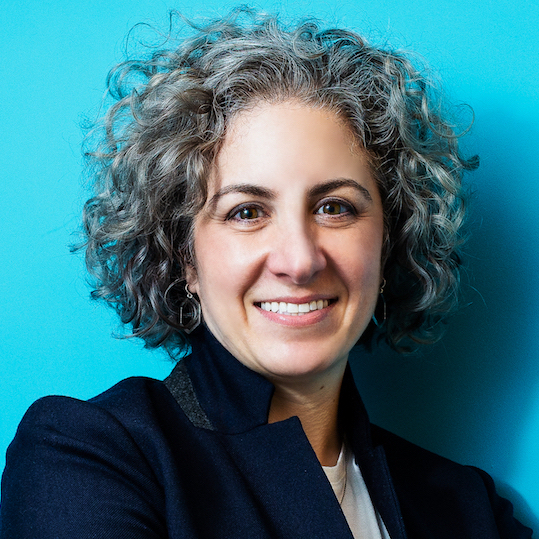
Back in episode 6 my client was struggling to write a value statement, and what came out of that call was that the real struggle had nothing to do with words. She's Paulette Piñero, and she's back here under her own name, because she wanted to show people that changing your mind in public is fine. She landed on coaching Latina leaders to go from burned out to thriving, and this is everything that opened up for her once she said it out loud.
What you'll take away
- She came back to do this one under her own name. Her reason: there's power in showing that it isn't all perfect and that finding your sweet spot takes time.
- The messaging problem was never a messaging problem. She'd circled it for months. What sat underneath was who she wanted to serve, and a fear that naming them would read as excluding everybody else.
- "Coaching Latina leaders to go from burned out to thriving." One sentence. She posted it and her DMs caught fire, after months of not being able to write it.
- Half her clients are men, and some are white women. Naming who you're for isn't a wall around your business. It tells you where to put your time and your marketing money.
- "What would you do for free if money was no object?" She answered that, then filled in the whole messaging exercise she'd been stuck on for months, in one sitting.
In this conversation
The full transcript, in sections. Open any one to read it.
Episode 6, and a struggle that wasn't about words
0:02
You're listening to the smart gets paid podcast with me. Leah Neaderthal, I help women land higher paying clients in their B2B consulting and coaching businesses, but I've never been a salesperson. My background is in corporate marketing, and when I started my first consulting business, I learned pretty quickly that it's about 1000 times harder to sell your own stuff than it is to sell someone else's so I taught myself how to do it, and I created a sales approach that feels comfortable, makes you feel confident, and that works consistently. And now I teach women how to land higher paying clients in their B2B consulting and coaching businesses. So whether your client contracts are $2,000 or $200,000 if you want to work with more of the clients you love, do more of the work you love, and get paid more than you ever imagined, then you're in the right place. Let's do it together. Welcome to Smart gets paid. Hey there, Leah here, and thanks for tuning into this episode. I hope that wherever you are and wherever you're listening to this, that you're having a good week, you're making some good progress on your business, and also taking some time for you. So I got to let you know before we dive in here, that I am getting over a cold. You can probably hear that. It's why I sound a little, I don't know, like gravelly and nasally. This cold, though, will seriously not quit. It's not covid, don't worry. But I've had it for over a week. It's like over a week later, and I am still coughing like crazy. If you've had a call with me over the past week or so, I apologize. Every call I've had over the past week or so, I have had to pause, turn off my camera and audio to go have a coughing fit. I spoke for a group of women called the women in incentives network. My awesome client and friend, Holly gloatty, brought me in to speak for them, and like I thought I would be okay that day. I you know, things seem to be looking up with the coughing, but then I seriously had to duck out like twice to have a coughing fit in the middle of this speaking engagement. So for those of you on that call, if you're listening to this, I'm sorry, and for you as you're listening to this episode, thanks for your understanding. So it's the holiday season, right? We're in the season of giving, and on the podcast this week, I have somebody who is giving of herself and coming back on the podcast to update us on the change that she made in her business since her episode first aired, and what's cool is that she's coming back, not anonymously this time, you guys know that you listen in on coaching calls that are anonymous, and we solve some of the biggest sales challenges that women just like you are facing in their business, and this time, she's coming back, not anonymously at all. You're going to meet her, and she's going to tell you about who she is and share some advice for you all if you are going through something similar to what she faced a while back. So by way of background, back in episode six, you heard me talk to a woman who was really struggling with her value based messaging, you know, the way she's talking about her business, the way she talks about what she does, and specifically how she's communicating the value that she provides to her clients. And if you've been listening to this podcast or reading what I write about on LinkedIn or in my newsletter. You know that value based messaging is a really fundamental piece of, like, almost every part of selling, you know? So even when we're talking about pricing, for example, you start to charge more for your work, not when you look at the numbers, but you start to charge more, and you start to be able to charge more way back in the beginning of the sales process, when you start the conversation around value by having a killer value statement, or what we also call a painkiller statement. You know, when we talk about leading the sales process, you put that value, the value that you provide, front and center in every interaction and on LinkedIn, your headline is your value statement, so it's blatantly obvious the value that you provide. So communicating your value is a really important part, really the first part, of being able to sign the clients that you want in your business. It's why, in my program, we work on it really early. It's that important. And so the woman I was talking to in Episode Six was really struggling with it. And what became clear in our conversation is that her struggle with creating her value statement was really a struggle about something else. It was a struggle around the clients that she wanted to work with, and that struggle between who she wanted to serve and who she really wanted to work with, and who she thought she had to work with or should work with, all right, here's a clip from
that episode. Yeah, I focus like I've been doing. I've been marketing in Latinx groups, and I. I do have clients that I are white women, and I'm not sure I want to say in my messaging that is just for Latinas. And rather than just focus my marketing there, I don't know. I don't know if that will help or not help.
Well, tell me when you think about let's say you did go full force. You know, you are the leadership consultant for Latino women. How does that feel? It feels good. That's what I wanted. So if it excites you and it also feels good, what's the worst that can happen? What fears come up?
I don't know. God, I won't find enough people, or that I'm not being inclusive.
You're not being inclusive because you're not working with a majority group.
Well, just even like other people of color, because I haven't found many coaches and that focus on the needs of people of color.
Yeah, I think that this is a space that you could own. You know, you could be the leadership coach for Latinx and also Latina women, if you wanted.
Okay, so fast forward several months, and one day I saw a post from her in the private Slack channel for signed program alumni. And this was the message she wrote, I finally have a VBM that I'm happy with, and VBM stands for value based messaging. She was I finally have a VBM that I'm happy with, the thing I struggled with the most. So here it goes, coaching Latino leaders to go from burned out to thriving in their careers and businesses. And then she went on to say, my LinkedIn DMS are on fire since I started saying this hashtag, VBM to the win. So when I saw this post in the alumni group, I was so excited first, because, you know, I remember our conversations and her working on her value based messaging in the program, and how difficult it was for her to really put a stake in the ground and position herself for Latina leaders. And I remembered, you know, how much she worked on her value based messaging, and just really wanted to get it right. And so when I saw her post in the group, I thought to myself, how cool would it be to have her back on talking about how she was finally able to position herself for Latina leaders, you know, how she thought through it and what came of that decision. So I sent her a little video posing the question and asking her if she'd do another podcast episode, you know, coming on anonymously, like our first conversation was, and she made me a video back and said this,
"It doesn't need to be anonymous"
7:48
Hey, Leah, yay. I will love to do the podcast, but I am more than happy to share who I am. It doesn't need to be anonymous. I think there's so much power into showing that it's fine to change, that things will not be perfect, because I think it brings also some authenticity of, you know, not everyone's got their shit together, and it takes time to find kind of like your sweet spot of what you're doing. So she's
back with me in this episode to share of herself and share her story with you. So I am so excited to introduce you to Paulette Pinero, founder of the lead media and have her back on the podcast to talk about how she was finally able to really name the clients she worked with, and how that's changed her business. So just a quick note on the sound. In this episode, I was recording this on Zoom, wearing my bluetooth headphones, and I didn't realize it, but like only when I went back and listened to it later, did I realize that my headphones weren't connected to the audio, so zoom wasn't picking up my voice, really. I think it must have been my computer mic that sort of picked up my sound. So what you're going to hear in this episode is that Paulette sounds amazing, and I sound a little muffled. My poor audio engineer has done his best to make me sound better, but still. So I just want to just sort of flag that for you. So let's get into the conversation, and at the end, I'll come back and share a lesson that you can apply to your business? Do you have an actual sales process? I'm talking about not a general sense of what you should be doing, but a real process where you know exactly what step comes next, who to follow up with, and when, and you can see at a glance where every potential client stands, if the answer is no, or if yours feels clunky, or you're reinventing the wheel every single time I made something for you, it's called roadmap to clients. It's a free 20 minute video course, and in it, you'll map out your customized sales process step by step, from the very first contact with a potential client all the way to a signed proposal. It's the same foundational process we use with every Academy member, and it's completely free. Go to smart gets paid.com/roadmap to get started.
All right. Paulette, thank you so much for joining me.
Thank you. I'm so excited to be here in part two, your very first
podcast, part two. Podcast the sequel. Yes, I love it well,
so why don't we dive in? And this is such a treat, because people really get to sort of hear you and and get to know you. And why don't you tell folks about your business and what
you do? Yes, not only am I going to tell folks about what I do. I'm going to use my value based messaging through the sign program, snap, snap, to tell
them, Well, first I got to say, also I remember you on the value based messaging in particular, I think you had said one time that like you weren't, you would wake up in the middle of the night and make notes about your your value based messaging, how you're talking about your business, how you're showing up in your business, and so, so tell us. Tell us where you landed.
Coaching Latina leaders from burned out to thriving
11:13
Yeah. So my name is politinero, and I am a leadership coach and management consultant, and I coach Latina leaders to go from burned out to thriving in their careers in business, look at that.
So good. Oh, so good. Love it. And how long have you been running your business?
So I've been in business for a year and a half, but this, this dream, this vision I've had since 2018 where I knew I wanted to be an entrepreneur. I've done a lot of freelance work, but this idea of not only working with women, but really working with women who look like me, who have similar experiences, who are members of the communities that I'm a part of. I was doing a lot of accelerator programs, and I was doing a lot of stuff for me professionally, and I was usually the only Latina in the room, and when I was asking other Latinas, even my staff why they weren't doing that work, they would say, well, it's not for me or I. It's difficult for me to show up or they don't understand me. So I saw a need, but also something that I was enjoying doing, and I knew if I was able to do it with Latinas, where we can show up as ourselves, it would be very transformative. So I opened a Google document back in 2018 and started putting my ideas in that document. And it wasn't until a big shift in my career when I finally got the dream job, like the dream, dream job that I had been planning for, and there was something missing. And what was missing was that I was focused on other people's mission rather than mine. So I sat with husband and said, I think I want to do this, but I know I know me, so I need to, like, go full on. And I thought he was gonna freak out. I thought he was gonna be like, What are you doing? And he just said, about damn time.
Oh, my God, I love it. He was waiting. He was like, waiting for you to take this step for
yourself, yes, and at that moment, I was earning more than him. I have a child with disabilities, and my insurance was the primary insurance. Like there were a lot of decisions at that moment that were focused on my nine to five. And looking back, I realize not just how important it was for myself and my family, but that I have to believe in myself, for my family and folks around me, to believe in me and the day I decided I never stopped, and I love what I do.
Oh my gosh. That makes me so happy. So we must have started working together pretty early on.
Yes, you were my first big investment.
Oh, I'm so honored. So I love how you are really focused on helping women who you know look like you. However, it's coming from the same experiences, maybe having a shared experience of your time in corporate but you know in the episode that people heard before, your ability to your willingness to say, Listen, I work with Latina women that was really hard to get to. Can you tell you about. Tell me what that was like for you to get to this point.
So I knew from the beginning that I wanted to work with Latinas. But I'm not going to say it was imposter syndrome. It was more about what are other people doing that is successful. So I was values. I was very clear on my value proposition. I was very clear on my client, but my business felt like it was outside of me. I had this belief that what I did was separate from what I did for my business. So I was showing up as a leadership coach and management consultant that worked with Latina leaders, especially within the social impact field, but my business was showing up as a company that provides management consulting with a focus on social impact that was very broad. So I was expanding my visibility. I was getting called for these amazing opportunities. I was closing clients and getting contracts for pod led, not for lead media, and going through the sign program, especially when we were talking about value based messaging, it was so difficult to realize that I am my business and that there was no separation from what I love to do and what I do for my business, And because I had done the code switching at work, and I didn't want to do that as a business owner, but I was, oh my
gosh, that is
go ahead. I
was having, like, the website with the blues on the yellows. And, you know, I created a brand and a business for clients that I didn't want to work with, and then leaving my like, personal time and my personal space and my personal brand into authentic Paulette. And that exercise was so difficult, but it allowed me to be like, No, you built a business because you wanted something different. You build a business and you're talking to Latino women to show up as themselves, how they want to show up, to set goals that they want for themselves, to work with companies to allow Latinas and women of color to show up as themselves, to do Diversity Equity and consulting. So why are you doing this to yourself? And that's why, not just the value based messaging exercise was so powerful, but our call, the podcast interview, I was struggling so much, and when you said, Well, you give them clarity and confidence. I'm like, How does she know?
I know because I'm not living in your head.
I rebranded my whole business after that call with you.
Oh, wow, yeah. Well, and
yeah, the whole thing, logo, colors, everything. I'm very lucky that I live with a brand consultant and marketing expert at home. And once I was being authentic everywhere, business like boomed, and it really when you said, Well, you help women get the Latinas confidence and clarity. I was like, Yes, I can do it many ways, but like, Yes, that's what it is. Yeah.
Code switching
18:48
Well, I want to talk about how you're sort of approaching business and how business is going for you. But I also want to just you mentioned the code switching, which is such a I had, like, a visceral reaction to that, and I love how you said, I have spent my life code switching. I'm not going to do that in the business that I have chosen to to run, right? You know, I think it's also about being true to yourself. You know, you are Latina. You work with Latino women. It's important to you. It's being authentic and being in integrity with what you're teaching, right? How could you say you need to go for this, and you need to be yourself, and you need to speak your truth and all this stuff when you are wearing a mask in your business, you know, because you think that's what's supposed to happen.
Yeah, because at the time, I was working with a business coach, and, you know, I was looking for someone who was successful, and it was a middle aged, white guy, because, you know, to say that they're allies. And he kept telling me, it's one thing to say you work with women. It's another one to say you work. Latinas. You shouldn't do that. You don't know how much money you're losing.
Oh, you know that? Just like, yes, jump down somebody's throat
and he's like, look at the women market. Even if you say you want to work with millennials, that makes sense. And I was doing a women in entrepreneurship program, and I got the same message, and it went against what I believed in, what I wanted to do. And I kept creating the client avatar all over and all over again. And it was my client avatar was a reflection of the clients that I was attracting. And then I was doing discovery and Clarity Calls for with consulting and coaching clients, and I wasn't. I wasn't even submitting proposals. I wasn't following up. I was referring them to other to other people. So I was very clear on what I wanted, but I kept hearing the wrong voices, and just because someone is successful at what they do does not mean that they're the right person to be working with you. Oh, you're so right. And until there was a moment that I said, Why are you like? Let's say they're right. Let's say that he's right. Let's say that he had all figured out. He sold companies like he, let's say he did, what if I try something new? What if I did something so ridiculous that it works? I would rather do something ridiculous that is true to what I want to be and how I want to show up with the world and not work, then not doing it, and always trying to, you know, going back to like, what if I did that? What if I did that? And the moment that I decided to be very, very intentional and clear of who my client was where in their life they are. That was it. It was easy to find partnerships. It was easy to find collaboration. It was easy to, you know, not, schedule discovery calls with people because we were not the right fit. It was easy to build my pipeline. It was easy for me to show up on social media. It was, it was easy to, like, build a business around it.
Yeah, yeah. Oh my gosh. I have, like, so many thoughts. You know, you say it's easy to build your pipeline, it's easy to do, you know, all these things. And when I hear ease, I think of two kinds of ease, right? There's the ease that comes from people sort of responding, but it's the ease also about waking up every day and doing it
Yes, of having a plan and a strategy, of a strategic plan making sense, or knowing when it doesn't make sense, of having quarterly goals that are attainable and but also the ease of being on the lookout when the client is changing, and being able to pivot very fast, because I started working with mid level career Latinas, and I was great. I was taking them from mid level to senior. Then what happens? Does that mean that they I no longer work with them, where they become senior leaders? Am I enjoying, you know, or am I giving the most support that I can with mid career? So then I started partnering with other Latina coaches that were doing similar work with early career women with mid career, with women in tech, women in STEM executives, and rather than trying to figure out how to do all of it myself, then I build a partnership, and I was able To build a network of Latina leaders doing similar work, because it felt like if I didn't support all of them, I wasn't living out my values. Now I could, because if they came to me and I was in the right person, then I would talk to this person that I trusted, that I was partnering with, and I was sending referrals their way. They were they're doing the same with me. What this has meant that we have gone into projects and consulting projects together, that every other week we are sending money to each other because referral networks. Hey, I'm not doing this proposal. Do you want to do it? Do you have someone in your team? The referrals come in, and the pipeline is packed. Because number one, I was clear of how I was showing up, and how can I support Latinas at what level I. I was going to support them, and if I'm not the right person, I no longer feel guilty because I was trying to do it all. I no longer feel guilty that I'm not the right fit for them because that there's a network now of women who are as committed, who have similar values, doing this work.
Clear in her marketing, and clear with herself
25:19
Yeah, I love, okay, so many things here. You know, I think the first thing is, what I'm hearing is because you were so clear, not just in your marketing, but clear with yourself on who it is you serve and why you do that, and in what ways they are different, and what ways they need to be different, and what reasons they come to you for you have a very clear sense of when it's a good client fit and when it's not a good client fit versus, you know, what I hear a lot is women who spend a lot of time taking on whatever comes their way, or, in your case, trying to solve all the problems for all the peoples. And you sort of lose your that sense of, like, is this a right, the right fit? It's sort of dulled, you know, because you're, you're, you're so used to just saying, Well, do I need the money? Could I do it? You know, if I needed to, could I make it work? You know, all of these other questions that have so little to do with like, Does this really speak to me? Is this the problem I want to be solving in the world? And you know, also you mentioned you built this set of this incredible partnership network with other Latino coaches and other women serving this market, which just makes me want to go back to that guy and be like, see, yeah, are other women doing this? Yeah, I now
work with a Latina business coach, but now I have the right coach that makes sense to me, not because they are successful, but because they're how they define success. Is how I define success, which is another thing that I wasn't understanding. I thought, well, if they're successful, that means that I can be successful working with them. I needed to define what success meant to me to be able to find the right coach to work with to take me to that next level of my business.
Absolutely, and you know, certainly part of success is being true to yourself. So I want to know so much has shifted as a result of you really embracing and naming. What we're talking about is naming, yes, you actually serve and really and then, of course, applying that to your value based messaging, right? So that is really crisp, really tight. I'm curious what parts of that made the biggest impact in the journey to being where you are.
I realized that at the at the moment, I did my first value based messaging. I like I mentioned, I was working with mid career Latinas in the social impact field, so their focus was really clarity and confidence. And I say, started working with more clients as I started fine tuning also my services. Because if you're an entrepreneur, you need to be comfortable with change. That's, I think that's the number one skill that every entrepreneur and business owner should have be open to continuous and constant change. So I noticed that I was providing executive level coaching to mid level career women, which is awesome, which is great. That also meant that my sales process was longer because part of working with Latinas is also being aware of the social components. Like most of us are not taught to seek for help, to ask for help, it's not part of our culture to invest in ourselves outside of higher ed. So there is a there's a sales process and a lot of discovery and education that needs to happen to get Latinas to go from, you know, I want something different for my life, to start working with a coach or Latina leaders, to start providing incentives and professional development funds for their Latina staff to do this. So there's a lot of education that needs to happen, and that's where I show up on social media to provide a lot of context information and education for my community. That also meant that as my my clients were going into VP and executive level positions, as they were leveling up, they said, Well, I want to continue working with you or here. Someone else that you should be working with. I again went back to not feeling like I could provide executive level support. That was what I was already providing and then creating this vision for because when you look at the trends, black and brown women stay, are kept they don't stay. They are kept in entry level and mid level positions across organizations. So, you know, we we see growth and Latino leadership within the mid level. But then it's like, how, you know, you got mid level. Now, how we get into the VP to the executive level? And I have that experience, but also that was the level that I was providing. So it was helpful for experienced Latinas and mid level career and continuing an executive and senior executive level positions. So as I was growing with my clients and the services that they needed, and I have the capacity to provide that level of support, then that meant that my, my client avatar, I had to re shift it so my my messaging efforts were shifted to that. And when I redid my quarter four goals for this year and my quarter one goals for next year, I made the intentional decision to now only work with people who have a sense of urgency, so I've can. That's why I went from clarity and confidence to burned out, to thriving, because then the need of my client now is different. They're burned out. That's that's why they need it by yesterday, like they can't live like this. Yeah. Well, I think what you're
Clarity and confidence, or burned out to thriving
31:54
talking about is also, you know what we talked about in terms of vitamin versus painkiller for the right person, clarity and confidence is really good to have, right but it may not be the number one most burning problem that they're facing. But if you're speaking to somebody who is currently burned out and who has decided that she can't live like that anymore, yeah, and you want to take them to thriving. That's more of a painkiller, right? I think the cool part of that is you're signaling the person and the moment in which they would need you. And really being super clear on I'm taking you from this to this, right? This sort of negative thing where you are negative place you are, right? Now I'm going to take you to a more positive place. It's that, you know, we talk about impact your pipeline. It's like going from just not from the pain to the promise.
Yeah, it's a transformation. And I had such a difficult, like, so difficult, I'm telling you, I was like, sit next to like, that exercise and be like, but what do I do there? It took me months. It's it's fine. Day, it clicked. I was like, because as I saw the shift and I saw the shift, I kept talking and talking like taking notes and talking to consulting clients and talking to like individual clients, and I kept thinking, what is them then the biggest point like, what? What made them decide now, and I'm willing to invest, and I'm willing to invest what you, Paulette, tell me to invest, not what I think your prices should be. And it was that moment of it wasn't the first burnout, but it was the moment when they said, This is the last time I feel burned out like this is it? I I want something different, because what I have been doing does not work. I literally
got chills when you said, this is, this might not be the first time they're burned out, but they've decided it's the last time. Yeah, really, really good. So talk to me about how this has impacted you. Mentioned it changed your sales process. It's changed the type of clients. It's changed how busy you are. Talk to me about because I know that there are women listening to this who are saying, Okay, fine, like, you know, naming who I really want to work with. It's really scary. I'm going to shut down, or, you know, shut out all of this money that's just out there sort of waiting for me. I'm going to be too niche. My business is going to die, and I'm going to go, have to go back and get a job, right? Those last two might be a little extreme, but tell them how this has impacted you and your business as a result of just naming who you really work with.
Half her clients are men
34:50
Yeah. Number one, I want people to know that half of my clients are men. Are Latino men I still Guide. Clients who are early in their career, and they say, I don't care. I still want to work with you. Some of my clients are white women too. I've had clients that are black women. So, you know, going from my value based messaging being very clear and intentional of who my client is, and doing the signaling allows me to be very intentional in the way that I spend my time and my money, marketing my business, how I show up the people that you know, the clients that I go looking for the right calls. It tells me where I need to show up, where my visibility is that so I no longer want to be visible everywhere. I want to be visible where I know my client is and my client lives and where my client hangs out. That's where I'm going to show up. That does not mean that there are people out there with aligned values that still want to work with you. They do. I actually, this week, signed up to male clients with all the purple and the website and everything in my copy on my website saying that I work with Latinas, because what they're looking for is that transformation. What they are looking for is to work with someone that gives them the results that they need. And what they're looking for is someone who cares about the impact that they also want to bring into the world. So that hasn't cut any business. What it has done is I no longer get 100 discovery calls schedule on my calendar. I actually don't have my calendar, and folks need to submit an application, so I am validating the right person to work with me throughout the whole process. And if by the time we sit down for a clarity call, they have gone through all of that and they still want to work with me, then there is no issue. I have contracts with Latino serving organizations just like I have contracts with organizations that want to bring more Latinas and are want to do that pre work. They want to build the equitable and inclusive culture within their organizations, to then elevate Latinas into leadership positions so and it just has made my efforts be more aligned, streamline, and there's a strategy behind it. Rather than me trying to like the world is my funnel, right?
It's like, if the world is your potential client, then you're you're not going to serve anybody. I say it a lot, and I think it's come up on several of the podcast episodes too. Like, just because you say, This is who I work with, doesn't mean that you have to say no to everybody else. It doesn't mean that these other people, who may not be, you know, right in that sweet spot, are never going to come to you. It's like you said, you know, you have actually a really diverse client base, but it allows you to focus. And I think when you are your business, and even if you have a team, you're still doing you know, a lot of the marketing strategy, and it's still your time is limited. If you can use your your value based messaging, your what is the problem I solve and who do I solve it for, to direct your activities. I think that, in itself, is a win, because there's so much shiny object syndrome, there's a lot of spinning, there's, you know, a lot of like, things you should be, should be doing, right? Should in air quotes. And I think it's great. And you've seen the transformation in your own business, yeah.
What naming it opened up
38:39
So making sure that I'm clear on who my client is has helped me with my visibility so much so because I'm putting a constant message out my my professional brand is is consistent, and I'm always talking to my client, I've had some amazing features, ladders, news and the Muse careers were in my bucket list. I said, One day I will write for them, and one day I will be featured. And I've been featured. I just had a feature with Telemundo, which, like, that's what I watch growing up like my grandfather almost cries like a bug. I co wrote a book with a group of Latina leaders. I'm writing a book proposal. I'm taking all of December to write a book proposal. I became a partner at a consulting firm, so I phased out consulting from my from lead media, and I do it through a consulting firm. I no longer work not even 40 hours. I work 28 to 30 hours a week, and I'm there to pick up my kids, drop them off in the morning. I've been more intentional of the clients that I work with, and then I am no longer at the mercy of. Of the clients that I have right now, I know what needs to be in my pipeline to be able to make it sustainable. I also tripled my prices, and people are paying for them. I triple my prices, and I've had clients who come back and they're like, that's not what I paid. And I'm like, you know, how much was your race? 25,000 good. This is my race.
I love it. Well, you know, in our work together, we spend a lot of time on pricing, and, you know, because we got to work together and signed and pack your pipeline, and one of the best ways to raise your prices is to have a full pipeline and not feel like you have to take anyone who comes your way. So I'm so glad that you did that.
And I broke I broke up with two clients throughout this process, and they both felt supported, and I knew it was the right decision, and it wasn't like I broke up with them and, you know, figure it out I had a network of people that I was able to refer to and kind of like streamline that transition. I my application process now is part of my sales process, and it's an additional level of signaling that has made it even better, because now, the moment that we meet, they know, they're very clear, I'm very clear, and you know, I don't even have to schedule a follow up sales goal like this, my price, what? When are we signing?
Yeah, they're already pre sold. So it sounds like you're doing high level coaching for your individual clients who are working in companies, but they're also doing some work with companies that are consulting. And so how is your value based? Messaging helping you there.
It helps me, because I now get organizations who are either Latino serving because they only serve Latinos, and they're Latino founded, or I work with organic serve Latina especially nonprofit organizations that serve Latinx clients stakeholders, but don't have Latinx folks in their staff. I no longer have to promote my consulting services because I get the right consulting client coming to me, I get the right consulting it's already validated because my one on one clients are the ones selling their jobs or their friends. You need to work with Paulette to, like, figure this thing. Yeah, and I think
that that's one of the sort of unspoken benefits being really clear on who you work with and the problem you solve, it's easier to refer you. You know, if you're getting these opportunities and not actually going for them, it's because people have the tools to talk about you and tell people the value you provide. And I'm so glad that you shared this, because, you know, the the women that are in this sort of audience, in my in my orbit, are working with businesses. And I just want for any of you who have been listening to this and say, Okay, well, that's really great, Paulette, because you work with individuals, but I work with businesses. How can this really help? And, you know, you heard it like there is, there are no negative, you know, impacts of really, like planting a flag and like waving this flag. Well, so for anyone who's listening, who is feeling skittish about this, feeling like she's having a hard time just naming who she works with, really crafting a value based message and and positioning her work as a painkiller, right? Anyone who is worried that she's going to cut herself off of all this business, what's one piece of advice you would share?
"What would you do for free?"
44:01
I would say, ask yourself, what would you do for free if money was no object? When I asked myself that, I said I would talk to Latinas every single day about their leadership and business goals. That's simple. That's what I want to do. That then became of like, well, if, if what their business goals and and leadership goals are, so they have an idea already, and like that helped me trickle down into where they're at, how they show up, what their pain points are. And then I opened back the valley based messaging exercise, and I was able to fill it up in one sitting and like, oh, I coached Latinas to go from burnt out to thriving in their careers in business. That's it. It just once I knew very. Clear who I wanted to work with. If money was no object, then I worked it backwards. And then it's like, okay, now money's not object, because I'm gonna be getting all this money from doing all of this amazing work. And so you ask yourself that, and if there's misalignment with what you're doing right now with that response, then that is just, you know, that little thing that's telling you, hey, there's something that you might want to shift around your business, or there's something that there's this missing market that you haven't been considering. Why I triple my prices was because I said to myself, I can either be trying to do 100 things to get money. And I remember when you and I talked, I said, Maybe I should do courses. And you're like, well, there's a big like that. The funnel is bigger. Like there's a process to get there. I would rather have the right pricing. So when I show up to work with a client, I'm fully present. I'm there. They have the best version of Paulette.
Yes, I love it. That's so good well, so if we could sort of step away from the messaging in particular, and you know, we did have the opportunity to work together and both find and pack your pipeline, and I'm just curious if there's anything else that made a big impact on you, because, you know, messaging is, of course, part of the sales process, but it's not the sale you still have to, like, lead the sales process. So is there anything else that you have has really sort of
stuck with you? Oh, many things I don't do RFPs. I haven't that sends me RFPs. And I said, once you close that RFP cycle and you don't find the right person, tell me, we'll sit down, and then we'll decide, well, we're going to work together. I work to get with them twice.
I love it. I don't do RFPs. I tell everyone to do RFPs. There's a whole system to not do RFPs. But all right, so I love that.
Love that. Yes, what else, some
people have been very offended, and I'm like, Great, I'm not the right person to work with you. I am actually a partner at a consulting firm because someone from my cohort from sign referred me, and I love it. We get to know work together as partner consultants, and then all the exercises that I did throughout the course I go back and do every time I do quarter legals. So I go through the whole course of like, yes, yes, you got this, you got this. Okay, we're very clear. I'm not clear on that. I thought I was clear. Let me go back and do this exercise. So that has been like a professional development tool for me, because it's something that I go back to when I'm refining and setting goals and making sure that I knew that the moment that I signed up for your programs, that this is the approach and the framework that I wanted to take so to be able to go back and review it, I am committed to the framework, and I have seen how successful it has made me, then I use that as a tool of like I need to refine I need to set goals. Something is not feeling okay. Let me go back to that resource. Oh, I actually have a one note tab that is always open on my computer with all of my notes from the program and and some of my notes from the exercises. And I go back to like you said, Okay, Paulette, keep going.
Oh my gosh, I love it. Is there one that you keep gravitating towards?
Yes. So one of them is leading the client. That one, I have those examples of emails I start. They're my favorites, because I go back to even though I saved, I have the Save templates in my CRM, I go back to them, and I'm like, yep. Because the other thing, they were also so helpful, because English is not my first language, and like in Spanish, we talk a lot. You have seen that here. So, you know, using active voice in English is something that's very difficult for me, making it clear and concise the way that I was born and raised in Puerto Rico. I've been in the US for nine years. So like, there's a lot of things, and I I'm fluent in English, but there's always something that can be lost in translation. So those examples and having the course to go back to, it's also. A tool for me of, of like, how can I make it more concise? How can I make this communication that they're clear, especially like, what is the expectation of them that first sentence? You know, am I being clear? I have my examples, but if I want to write something else, I go back to those exercises constantly. So they not only help me with, like, professionally, but personally. Like, how do I want to show up? How can the client really understand where I'm coming from?
Yeah, that makes me so happy. Anything else you would share to people who maybe, for the women who may be listening to this, you
On investing in yourself
50:40
can't be successful if you don't invest in yourself, you can't I was so scared. I made that first payment, and I kept second guessing, and I realized that, you know, number one, I've multiplied what I paid for any program that I have invested in tenfold with what I've been able to achieve. But you have to invest in yourself to get to where you want to, where you want to go. You just have to. It's scary, but it's so worth it. And if this is the first time that you're doing it, then just follow your gut. Believe that. Believe in that calling, that you're like, that place that you're feeling of like, I have to do it, I have to do it. I have to do it. Just make that investment and work with folks who are as passionate about seeing you succeed as the same way that you're passionate to seeing you succeed and then show up. Show up. It's scary. There's always going to be something more important, but the moment that you decide to invest in yourself, do it with money, do it with time, doing with passion. It will pay out. You know, it might take you nine months to get your value based messaging like it did for me, but I did 100 amazing things that I learned through the coaching program and your programs, that was, that was a big thing. That was a big aha for me, but there were so many changes I did from the moment I decided to invest in myself, the way I show up, the way I work with my clients, like it just makes sense, and especially for women, like it's okay. You are worthy do it. You'll see I have not call me and get mad at me.
All right. I love it. So Paulette, where can our listeners find you?
Yeah, so I am you and I love LinkedIn. You do. So you can find me on LinkedIn, at Paula Pinero, and you can find me and my beautiful business, lead media LLC, at www the lead media.com Quick, quick comment. I called it lead media. And people are like, Why media? Oh, because this is, this is gonna be big, like, this is gonna be a whole thing. I have a podcast already, but where there's gonna
be a whole media conglomerate for my community, for my people. It's all about leadership and showing up. So the day
I named it, it's, I knew it was gonna be big. So the lead media.com or on LinkedIn. Paulette Pinero, love it. Love it.
Well, thanks so much for being here and for sharing this transformation your journey with our listeners, and we'll see you soon. Thank you.
My take: what being clear buys you
53:57
Oh, my God, that was awesome. And I want to send a special thank you to Paulette Pinedo for coming back on and sharing her experience. Go find her on LinkedIn. Connect with her. Thank her for being on this episode. So as you heard here, there are so many benefits to being super clear on who you are working with. These are just some of the ones that Paulette shared. You know you can focus your time and energy in where you're marketing, you can focus your message and deliver a really clear, consistent message. It leads to more of the right people reaching out. You know, by the time those people who do reach out get to a call, they already know that you're the right one for them. You know they're the obvious choice, as we say, because they're so clear on the value that you can provide to them when you're super clear, it opens up other opportunities, like press opportunities, because people know how to think about you. And of course, you can get paid more. You can raise your prices, right? And I mentioned at the beginning that paulette's original struggle with value based messaging was actually a struggle about her ideal client, between who she thought. She should work with, and who she wanted to work with. And as you heard, you know, once she was able to say, Okay, this is who I work with, it made it a lot easier to craft her actual value based messaging, right? It just sort of clicked. But I want to leave you with a way to think about this for your business. So when I talk to women who are afraid to really put a stake in the ground and name who they work with. It is nearly always because they're afraid to, you know, cut off potential clients. They feel like if they name one group or one client, one client type, they'll be leaving all this money on the table from all the other clients who won't want to work with them ever, right? And listen, I know the fear. It took me a long time, several years, to say in my marketing and in my messaging that I work with women. But once I did, not only did I have more women coming to me, you know, I still work with men here and there, and I have companies that bring me on too. And you heard Paulette say that you know that didn't happen for her either. You know she didn't just lose out on all this money, and her business went down the drain, right? She's getting a lot more of the right clients, but she's still getting some clients who aren't exactly in her niche, because she's so clear on the transformation that she brings to her clients, right? And they want that too. And I just feel like this part needs to be said, because there's so much out there in the business coaching land that's like, do this, and you'll get clients right. Like, change your messaging or your brand, and you'll get clients post on LinkedIn, and you'll get clients but you know, the world in which you and I live, which is selling B to B right, selling to and working with businesses, it doesn't operate like that. You don't just like, do one thing, and clients just like come your way and want to buy something with a credit card. You know, that's just not the type of work that you're doing, the type of client, the type of engagement and the price point. Because in our world, you might get a great referral or a great lead, or somebody reaches out to you because they've been following you on LinkedIn, and that's where the sales process begins. There's still a sales process that has to happen. And Paulette actually gave a great example of this in the conversation. This part actually came from after the main interview part. You know, we were just sort of chatting afterwards, but it's so poignant that I asked her if I could share it, and she said, Yes. So this is her talking about part of the sales process for her clients,
because there's so much like education that I have to provide my community for them to see. So the sales process, it's a little bit longer, but it it's worth it, right? But because this is not something that we do, this is not something I have to, like, talk to husbands wives. I have a call with a mom next week,
sales call with a mom another of the clients, yeah, um, yeah. That's like a whole yeah conversation, selling another podcast episode, selling to the family. Yes, I study in Latina coaching, yes.
And that request of like so my I signed the contract and I paid in full, but like my mom wants to talk to you,
oh my gosh, I love it. Every sales process has stakeholders. I'll say that. And in some cases, stakeholder could be your mother, yes.
B2B selling is not the version you see in ads
58:29
So it's just a reminder that in every sale, every client, it requires a sales process and navigating stakeholders. And I just want to share that, because B to B selling, you know, it's not sexy. It's not sexy online entrepreneur stuff. You know, you don't see ads about it. You're not selling something that people can buy for like, $47 right? But it's the actual selling, with an actual sales process, and that's the selling that works for B to B all right? But what I also want to pull out of this conversation is that you know, back to this whole like naming who you work with thing and putting a stake in the ground and the fear that's underneath that being that you know, if you niche down, either you won't have enough business or there isn't enough business, and if you follow that fear a few steps down the path. What's really underneath it is that whatever you're selling won't sell right? And I gets this question a lot like, what's the thing? What's the service that will sell? And my answer is always, the thing that will sell is the thing that you sell right? The thing or service, or the value that you're out there talking about, right? The thing that you get in front of your ideal clients, the thing that you speak to people about, that's what will sell. There's nothing out there, you know, no service, no program, no offer that will sell without you selling it. There's nothing that like, just by virtue of you offering it, you know, having it on your. Website that clients will just come find you on the internet and just want to purchase it, right? But if you get out there and sell it, then it will sell. And I see things all the time. I see consultants and coaches and businesses all the time that sort of prove this out. One of my favorites is a running coach I follow named Susan Donnelly. She's a running coach for endurance runners, and she's an endurance runner herself, like, if you follow her on, you know the socials, she's doing an endurance race, like almost every weekend. You know, these running races that are like 100 miles, 150 miles, etc. And of the things she offers, she'll coach you, she'll develop a plan for you. She'll help you with the mindset part of racing, which is so important for endurance runners, and she also offers this service where she will pace you for an endurance race. She will run an entire endurance race with you, like the entire 100 miles or 150 miles, she will run alongside you to make sure that you finish. That is a service she offers, and that is a service that people pay her for, and pay handsomely for, but it's because she's out there talking about the value that she provides. And once you start to see this, you start to sort of notice things out there that prove this, out that there is a market for anything. If you get out there and market it, you know, there are companies that make custom World of Warcraft figurines for World of Warcraft enthusiasts. There are companies that will come haul your compost away. You know, not a lot of people compost, but people run a thriving business serving the people who compost to take their compost away. You know, one of my clients is a coach just for tech employees, many of whom are neurodivergent, and she helps them work better and communicate better with their teammates. And all of these are really niche companies and really niche services, and they're making money doing it. So what I want you to walk away with from this is what client base is the right client base, you know, and what service will sell, even if you niche down like Paulette did, it's the one that you actively get out there and market and sell.
Hey, everything we're talking about in this episode is part of the system. Women like you are learning in the academy. In the Academy, we help women consultants install the two systems every B to B consultant needs a marketing system to consistently attract the right clients and a sales system to lead a sales process to a yes and get paid more for every contract. So even if you've only gotten clients through referrals or word of mouth. In the academy, you'll learn how to attract and sign clients outside your network, how to lead a sales process with confidence, and how to get paid for your value, not your time, and there's no cold calling or cold emailing involved, no changing your services or making a course, and you won't use any pushy sales tactics. That's just not our vibe. So if you like what you've heard here, the academy may be your right next step to learn how you can get these two systems in your consulting business and make progress faster and with fewer roadblocks. Head to smart gets paid.com/academy and apply, and we can chat about next steps. All right. See you over there. You Transcribed by https://otter.ai
Two ways I can help you
When you're ready to break through to the next revenue level in your consulting business, here are two ways I can help you.
1Join The Academy
For women consultants who've been in business 2+ years and are making $120k+. Build the two systems every consulting business needs to get more of the right clients, get paid more, and build a sustainable business:
- A marketing system to bring the right clients to you and fill your pipeline
- A sales system to help clients say yes and get you paid more
If you're ready to make your business and revenue more stable, secure, and sustainable, visit the Academy page to learn more and apply.
2Get Roadmap to Clients
Map out a simple sales process for your consulting business in less than an hour. Take potential clients smoothly from first contact to a signed proposal, so you can stop reinventing the wheel with every opportunity.
Get the free video course.